

Superfoods You Can Grow at Home: Nutrient-Dense Plants Guide
The freshest, most nutrient-dense superfoods aren’t found in expensive health stores — they’re growing on your windowsill, balcony, or backyard. When you harvest a tomato from your own plant, you’re consuming it at peak nutritional value, with phytonutrients, vitamins, and antioxidants that degrade rapidly after commercial harvest.
This comprehensive guide reveals the most nutritious plants you can easily cultivate at home, regardless of space or experience. From antioxidant-rich microgreens ready in 7 days to lycopene-loaded tomatoes thriving on balconies, you’ll discover how home cultivation transforms ordinary plants into extraordinary nutrition sources.
The bonus? Gardening itself provides therapeutic benefits, stress reduction, physical activity, and profound satisfaction of nourishing yourself with food you’ve grown. Ready to cultivate your own superfood pharmacy?
Explore our healthy recipes collection for ways to use your homegrown superfoods, or discover our nutrition and daily energy guide for comprehensive wellness strategies.
Why Grow Your Own Superfoods?
Maximum Nutrient Density at Harvest
The moment a vegetable is harvested, nutrient degradation begins. Spinach loses 50% of its vitamin C within 24 hours of harvest. Tomatoes picked green and ripened artificially contain significantly less lycopene than vine-ripened versions. When you grow at home, you harvest at peak ripeness and consume within minutes — capturing 100% of available nutrients.
Zero Pesticides, Maximum Safety
Commercial produce often carries pesticide residues. The Environmental Working Group’s “Dirty Dozen” includes strawberries, spinach, kale, tomatoes — all easily grown at home organically. Your backyard or balcony becomes a certified organic farm under your complete control.
Cost-Effectiveness
One organic kale plant ($3) produces $50+ worth of leaves over 6 months. A basil plant ($4) yields $80+ worth of fresh herbs. Initial investment minimal, ongoing harvest abundant. Microgreens cost $30-40 per pound retail — you grow them for pennies.
Therapeutic Benefits
Gardening reduces cortisol (stress hormone) by 27% according to Netherlands studies. Soil contact exposes you to beneficial bacteria improving mood and immunity. The act of nurturing plants provides purpose, mindfulness, and connection to natural cycles.
For more on stress management benefits, read our guide on natural stress management.
The Science: Fresh Harvest vs. Store-Bought
Nutrient Loss Timeline
Vitamin C (Ascorbic Acid): Degrades rapidly with light, heat, oxygen exposure. Spinach loses 50% within 24 hours, 90% within week of harvest.
Folate: Green leafy vegetables lose 50-70% folate content within 3-4 days post-harvest at refrigerator temperatures.
Antioxidants: Flavonoids, carotenoids, polyphenols decrease significantly during transport, storage. Tomato lycopene content depends entirely on ripening conditions — vine-ripened contains 2-3x more than picked green.
Enzymes: Living enzymes in fresh produce aid digestion, nutrient absorption. These die rapidly post-harvest. Eating within hours preserves enzymatic activity.
The “Picked Yesterday” Myth
Even “fresh” supermarket produce is typically 7-14 days post-harvest after commercial picking, transport, distribution, shelf time. Your homegrown kale picked 5 minutes before eating contains exponentially more nutrition than supermarket kale picked 10 days ago.
Top 10 Superfoods You Can Grow at Home

1. Microgreens: Nutrition Density Champions
Why They’re Super: Research from University of Maryland shows microgreens contain 4-40x more nutrients than mature plants. Red cabbage microgreens have 40x more vitamin E than mature cabbage. Cilantro microgreens contain 3x more beta-carotene than mature cilantro.
Nutritional Profile: Concentrated vitamins C, E, K, beta-carotene, lutein, chlorophyll. Anti-cancer compounds in broccoli microgreens rival mature broccoli despite being harvested at 7-14 days.
Growing Difficulty: Easiest superfood to grow. Zero gardening experience required.
Space Required: Windowsill (10×20 inch tray).
Harvest Timeline: 7-14 days from seed to plate.
Best Varieties: Broccoli (sulforaphane), radish (vitamin C), sunflower (protein, vitamin E), pea shoots (vitamin C, folate).
Growing Tips:
- Use shallow trays with drainage holes
- Organic potting soil or coconut coir
- Dense seed distribution (1-2 tablespoons per 10×20 tray)
- Water gently daily, harvest at 2-3 inch height with scissors
- Rinse, use immediately in salads, sandwiches, smoothies
Nutritional Usage: Add to smoothie bowls, top avocado toast, mix into salads for nutrient boost.
2. Kale: Vitamin K Powerhouse
Why It’s Super: One cup raw kale provides 684% daily value vitamin K (bone health, blood clotting), 206% vitamin A (vision, immunity), 134% vitamin C (antioxidant, collagen). Contains cancer-fighting glucosinolates and powerful antioxidants lutein, zeaxanthin.
Nutritional Profile: Vitamins K, A, C, calcium, iron, manganese, antioxidants, fiber. Only 33 calories per cup.
Growing Difficulty: Easy. Very hardy, tolerates cold, few pests.
Space Required: 12-inch pot per plant or garden bed spacing 12-18 inches.
Harvest Timeline: 55-75 days from seed, but can harvest baby leaves at 25-30 days.
Best Varieties: Lacinato (Dinosaur) kale for containers, Curly kale for cold tolerance, Red Russian for tenderness.
Growing Tips:
- Thrives in cool weather (spring, fall, even winter in mild climates)
- Full sun to partial shade
- Rich, well-draining soil with compost
- Water consistently, mulch to retain moisture
- Harvest outer leaves continuously — plant keeps producing for months
- Frost actually improves flavor (converts starches to sugars)
Nutritional Usage: Massage with olive oil for tender salads, blend into smoothies, add to soups, make kale chips.
3. Tomatoes: Lycopene Leaders
Why They’re Super: Tomatoes are richest dietary source of lycopene — powerful antioxidant linked to reduced prostate cancer, heart disease, UV skin damage. Vine-ripened homegrown tomatoes contain 2-3x more lycopene than store-bought picked green.
Nutritional Profile: Lycopene, vitamins C, K, potassium, folate, beta-carotene. Cooking tomatoes increases lycopene bioavailability.
Growing Difficulty: Moderate. Requires support, consistent care.
Space Required: 5-gallon container minimum per plant (dwarf varieties) or garden spacing 24-36 inches.
Harvest Timeline: 60-85 days from transplant to first ripe fruit.
Best Varieties: Cherry tomatoes (easiest, most productive), Roma (sauce, cooking), Heirloom varieties (superior flavor, nutrition).
Growing Tips:
- Full sun (6-8 hours minimum)
- Rich soil with compost, calcium (prevents blossom-end rot)
- Deep watering 2-3x weekly (consistent moisture crucial)
- Support with cage or stake
- Pinch suckers for larger fruit, better air circulation
- Harvest when fully colored — never refrigerate (destroys flavor, texture)
Nutritional Usage: Fresh in salads, roasted for quinoa vegetable salads, cooked into sauces (increases lycopene).
4. Spinach: Iron & Folate Source
Why It’s Super: Exceptional iron content (crucial for oxygen transport, energy), folate (DNA synthesis, pregnancy health), magnesium (300+ enzymatic reactions), vitamins K, A, C. Contains lutein protecting eye health.
Nutritional Profile: Iron, folate, magnesium, vitamins K, A, C, calcium, antioxidants. Only 7 calories per cup raw.
Growing Difficulty: Easy. Fast-growing, cold-tolerant.
Space Required: 10-inch pot or garden spacing 4-6 inches.
Harvest Timeline: 37-45 days from seed to harvest, baby leaves at 25 days.
Best Varieties: Baby spinach for continuous harvest, Bloomsdale for cold tolerance, Space for containers.
Growing Tips:
- Cool-season crop (spring, fall, winter in mild climates)
- Bolts (goes to seed) in heat — succession plant every 2 weeks
- Partial shade in warmer climates
- Consistent moisture, nitrogen-rich soil
- Harvest outer leaves, allowing center to continue producing
Nutritional Usage: Fresh in salads, wilted into vegetarian stir-fries, blended into energizing smoothies.
5. Herbs: Concentrated Phytonutrients
Why They’re Super: Herbs contain some of highest antioxidant concentrations of any food. Oregano has 42x more antioxidants than apples. Basil rich in vitamin K, eugenol (anti-inflammatory). Parsley contains apigenin (cancer-protective flavonoid).
Nutritional Profiles:
- Basil: Vitamin K, eugenol, beta-carotene, magnesium
- Parsley: Vitamins K, C, A, folate, iron, apigenin
- Cilantro: Vitamins A, K, antioxidants, may chelate heavy metals
- Mint: Menthol, rosmarinic acid (antioxidant), aids digestion
Growing Difficulty: Very easy. Herbs are forgiving, productive.
Space Required: 6-8 inch pots per herb, windowsill-friendly.
Harvest Timeline: 3-4 weeks from seed (or buy transplants), continuous harvest.
Growing Tips:
- Most herbs prefer full sun (6+ hours), well-draining soil
- Water when top inch dry — overwatering kills more herbs than underwatering
- Harvest regularly to encourage bushiness (pinch top growth)
- Basil: remove flower buds to prolong leaf production
- Mint: highly invasive — grow in containers only
Nutritional Usage: Fresh in salads, pestos, detox water, garnish dishes, blend into smoothies.
6. Blueberries: Antioxidant Champions
Why They’re Super: Among highest antioxidant foods measured. Rich in anthocyanins (blue pigment) protecting brain health, reducing inflammation, improving insulin sensitivity. Studies link regular blueberry consumption to improved memory, reduced Alzheimer’s risk.
Nutritional Profile: Anthocyanins, vitamins C, K, manganese, fiber, resveratrol. Low glycemic despite natural sweetness.
Growing Difficulty: Moderate. Requires acidic soil, patience for first harvest.
Space Required: 16-24 inch pot or garden spacing 4-5 feet.
Harvest Timeline: 2-3 years for significant harvest, but worth the wait.
Best Varieties: Dwarf varieties (Top Hat, Peach Sorbet) for containers, Northern/Southern Highbush depending on climate.
Growing Tips:
- Requires acidic soil pH 4.5-5.5 (use ericaceous compost)
- Full sun, consistent moisture (not waterlogged)
- Mulch with pine needles (maintains acidity)
- Prune in late winter to encourage fruiting
- Net plants to protect from birds
- Two varieties improve pollination, yield
Nutritional Usage: Fresh in berry smoothie bowls, frozen for smoothies, baked into healthy muffins.
7. Hot Peppers: Metabolism Boosters
Why They’re Super: Capsaicin (compound creating heat) boosts metabolism, reduces appetite, improves circulation, provides pain relief. Peppers extremely rich in vitamin C — one red bell pepper contains 3x daily value.
Nutritional Profile: Vitamins C, A, B6, capsaicin, antioxidants, carotenoids.
Growing Difficulty: Easy to moderate. Thrives in heat.
Space Required: 5-gallon pot or garden spacing 18-24 inches.
Harvest Timeline: 60-90 days from transplant to first peppers.
Best Varieties: Jalapeño (moderate heat), Cayenne (drying, powders), Thai chili (containers, high yield).
Growing Tips:
- Love heat, full sun
- Well-draining soil, moderate water (overwatering reduces heat)
- Support branches when heavily fruiting
- Harvest continuously to encourage more production
- Green peppers = unripe, red/orange = ripe (more vitamins, sweeter)
Nutritional Usage: Fresh in salsas, dried for spice blends, add to warming soups for metabolism boost.
8. Garlic: Immune System Defender
Why It’s Super: Contains allicin (released when crushed) — powerful antibacterial, antiviral, antifungal compound. Regular garlic consumption linked to reduced blood pressure, cholesterol, improved immune function, potential cancer protection.
Nutritional Profile: Allicin, selenium, manganese, vitamin B6, vitamin C, sulfur compounds.
Growing Difficulty: Very easy. Plant and forget.
Space Required: Garden bed or deep container (12+ inches), spacing 6 inches.
Harvest Timeline: 8-9 months from planting to harvest (fall planting, summer harvest).
Best Varieties: Hardneck for cold climates (complex flavor), Softneck for warm climates (longer storage).
Growing Tips:
- Plant individual cloves (pointy end up) in fall
- Full sun, well-draining soil
- Water regularly until spring, reduce as harvest approaches
- Harvest when lower leaves brown (typically July)
- Cure in dry, ventilated space 2-3 weeks before storage
- Save largest bulbs for replanting
Nutritional Usage: Crush and let sit 10 minutes before cooking (activates allicin), add to everything — soups, stir-fries, roasted vegetables.
9. Ginger: Anti-Inflammatory Root
Why It’s Super: Gingerol (bioactive compound) provides powerful anti-inflammatory, antioxidant effects. Proven to reduce nausea, muscle soreness, menstrual pain, improve digestion, potentially lower blood sugar.
Nutritional Profile: Gingerol, vitamins C, B6, magnesium, potassium, manganese.
Growing Difficulty: Easy indoors, moderate outdoors.
Space Required: 12-inch pot (shallow, wide preferred).
Harvest Timeline: 8-10 months to full maturity, but can harvest “baby ginger” at 4 months.
Growing Tips:
- Plant grocery store ginger “hand” with visible growth buds
- Warm location (70-85°F ideal), partial shade to bright indirect light
- Keep soil consistently moist but not waterlogged
- Harvest by digging up entire plant or removing outer portions
- Save some rhizome to replant immediately
Nutritional Usage: Grate fresh into wellness drinks, stir-fries, teas, smoothies. See our turmeric & honey drink featuring ginger.
10. Strawberries: Vitamin C Gems
Why They’re Super: One cup provides 149% daily vitamin C value. Rich in anthocyanins, ellagic acid (anti-cancer compound), manganese, folate. Studies show improved heart health, blood sugar regulation, anti-inflammatory effects.
Nutritional Profile: Vitamin C, manganese, folate, anthocyanins, ellagic acid, fiber.
Growing Difficulty: Easy. Productive, low-maintenance.
Space Required: 8-12 inch pots or hanging baskets, garden spacing 12 inches.
Harvest Timeline: 4-6 weeks from flowering to ripe fruit, produces for 3-5 years.
Best Varieties: June-bearing (one large harvest), Everbearing (continuous smaller harvests), Alpine (tiny, intensely flavored).
Growing Tips:
- Full sun, well-draining acidic soil
- Water consistently, especially during fruiting
- Remove runners for larger fruit or allow to spread
- Net to protect from birds
- Harvest when fully red (don’t ripen off vine)
- Replace plants every 3-5 years for best production
Nutritional Usage: Fresh alone, in smoothies, salads, homemade jams without added sugar.
Indoor vs. Outdoor Growing

Best Superfoods for Indoor Growing
Perfect Indoors:
- Microgreens (any variety) — windowsill perfection
- Herbs (basil, parsley, cilantro, mint) — sunny window
- Sprouts (alfalfa, broccoli, lentil) — no light needed
- Ginger — warm, bright indirect light
- Salad greens (lettuce, arugula) — grow lights recommended
Challenging Indoors:
- Tomatoes — possible with grow lights, compact varieties
- Peppers — need substantial light, heat
- Blueberries — require outdoor chill hours
Best Superfoods for Outdoor/Balcony
Balcony Champions:
- Cherry tomatoes — 5-gallon containers
- Kale — 12-inch pots, cold-hardy
- Strawberries — hanging baskets beautiful + functional
- Herbs — any container size
- Peppers — love container heat retention
Maximizing Small Spaces
Vertical Growing: Trellises for tomatoes, cucumbers, beans. Hanging baskets for strawberries, trailing herbs.
Succession Planting: New microgreen tray every week = continuous harvest. Replant lettuce every 2-3 weeks.
Companion Planting: Basil with tomatoes (pest control, flavor enhancement). Nasturtiums with kale (aphid trap crop).
From Garden to Plate: Maximizing Nutrition
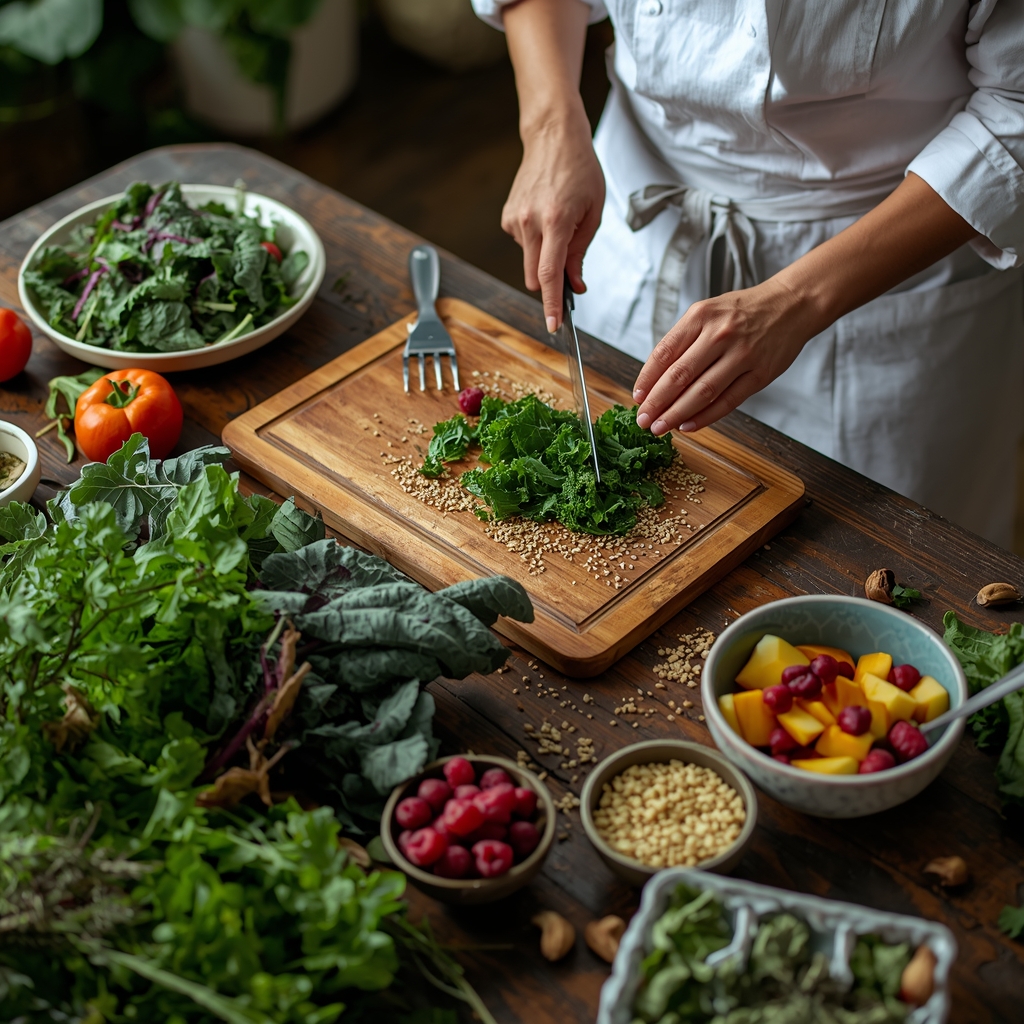
Optimal Harvest Timing
Morning Harvest Best: Plants highest in moisture, nutrients after cool night. Midday heat reduces water content, nutrient concentration.
Peak Ripeness Crucial: Tomatoes fully colored, peppers fully sized, leafy greens before flowering (bolting reduces nutrition, increases bitterness).
Size Matters: Baby greens often more tender but mature leaves contain more concentrated minerals. Balance preference with nutrition goals.
Storage to Preserve Nutrients
Refrigerate Immediately: Leafy greens in produce bags with moisture. Herbs upright in water (like flowers).
Don’t Wash Until Using: Water accelerates decay, nutrient loss.
Freeze Surplus: Blanch greens before freezing. Freeze berries on trays then bag. Herbs in olive oil ice cubes.
Simple Superfood Recipes
Daily Green Smoothie: Handful microgreens + spinach + frozen berries + banana + almond milk. Blend.
Harvest Bowl: Base of greens (kale, spinach) + roasted tomatoes + fresh herbs + garlic vinaigrette. See our buddha bowl guide.
Fresh Herb Pesto: 2 cups basil + 1/2 cup olive oil + 1/4 cup nuts + garlic + parmesan. Blend, freeze in portions.
Tomato Soup: Roast fresh tomatoes + garlic + herbs. Blend, simmer. Maximum lycopene from cooking.
Quick-Start Guide: Your First 3 Superfoods
Week 1: Microgreens
Investment: $15 (seeds, tray, soil)
Timeline: 7-14 days to harvest
Why First: Instant gratification, impossible to fail, nutrient density unmatched.
Week 2: Herbs (Basil or Parsley)
Investment: $3-5 transplant or $2 seeds
Timeline: Transplants harvest immediately, seeds 3-4 weeks
Why Second: Continuous harvest for months, minimal care, dramatic cost savings.
Week 4: Kale or Spinach
Investment: $3-4 transplants or $2 seeds
Timeline: Transplants harvest 2-3 weeks, seeds 4-6 weeks
Why Third: Hardy, productive, nutrient powerhouse. Builds confidence for tomatoes, peppers next season.
Common Beginner Mistakes to Avoid
Overwatering: #1 plant killer. Check soil moisture before watering. Most herbs, tomatoes prefer slightly dry over soggy.
Insufficient Light: “Full sun” means 6-8 hours direct sunlight. South-facing windows best indoors. Invest in grow lights if needed.
Wrong Soil: Regular garden soil compacts in containers. Use potting mix for containers, compost-amended soil for beds.
Overcrowding: Spacing recommendations exist for good reason. Air circulation prevents disease, ensures adequate nutrients per plant.
Neglecting Harvest: Regular harvesting encourages production. Lettuce, herbs become bitter if allowed to flower. Tomatoes stop producing if ripe fruit left on vine.
Impatience: Gardening rewards patience. First-year gardens teach lessons. Second-year gardens produce abundance.
Frequently Asked Questions
Can I really get significant nutrition from homegrown produce?
Absolutely. Even small-scale growing provides meaningful nutrient intake. One productive kale plant = 50+ cups of greens. Microgreen tray weekly = 52 nutrient-dense additions annually. Herbs provide concentrated phytonutrients in small quantities.
How much money can I save growing superfoods?
Substantial savings, especially on expensive items like microgreens ($30-40/lb retail), fresh herbs ($3-5 small package), organic berries ($6-8/pint). Initial investment $50-100, annual savings $300-1000+ depending on scale.
What if I have zero gardening experience?
Start with microgreens — literally impossible to fail if you water them. Then herbs — very forgiving. Success builds confidence and knowledge for more challenging crops. Everyone starts somewhere.
How much time does homegrown superfood cultivation require?
Minimal once established. Microgreens = 2 minutes daily watering. Herbs = 5 minutes weekly. Tomatoes, peppers = 15-30 minutes weekly watering, feeding, harvesting. Therapeutic time, not burdensome chore.
Can I grow superfoods year-round?
Absolutely. Indoor microgreens, herbs, sprouts = year-round. Outdoor = seasonal rotation. Cool-season crops (kale, spinach, lettuce) in spring/fall/winter. Warm-season (tomatoes, peppers) in summer. Continuous harvest planning possible.
What about apartment dwellers with no outdoor space?
Perfect candidates for indoor superfood cultivation! Windowsill microgreens, herbs provide remarkable nutrition in minimal space. Sprouts require zero light. Compact grow light setups enable salad greens, even dwarf tomatoes indoors.
Conclusion: Your Superfood Pharmacy Awaits
The most powerful nutrition isn’t found in expensive supplements or exotic imports — it’s growing in soil you nurture, plants you tend, food you harvest with your own hands. Each microgreen tray, herb pot, tomato plant represents autonomy, health, connection to natural cycles that sustained humanity for millennia.
Starting small is starting smart. One windowsill tray of microgreens this week becomes an abundant balcony garden next season. The knowledge, confidence, and joy of growing your own nutrient-dense food compounds over time, transforming not just your nutrition but your relationship with food itself.
Your homegrown superfoods await. Seeds cost pennies. Time investment is minimal. The rewards — fresh, organic, peak-nutrition food; therapeutic gardening benefits; profound satisfaction — are priceless.
Plant something today. Harvest health tomorrow.
Continue your nutrition journey with our complete healthy recipes collection, or explore our quick healthy breakfast ideas featuring fresh ingredients.
Grow well. Eat well. Live well. 🌱🥬✨