
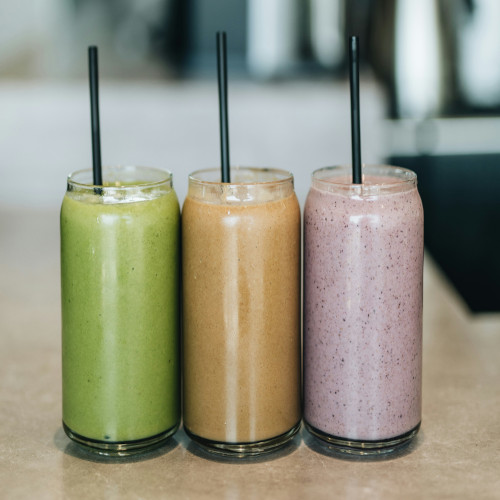
3 Energizing Smoothies to Replace Coffee & Snacks | Healthy Recipes
Introduction: Smoothies for Sustained Energy Without the Crash
Most people reach for coffee when energy dips mid-morning or afternoon. While caffeine provides a quick jolt, it often leads to jitters, anxiety, and an inevitable crash a few hours later—especially when consumed on an empty stomach or without accompanying nutrients. The problem isn’t caffeine itself, but relying on it as the sole source of energy without the macronutrients your body actually needs: protein, fiber, and healthy fats.
Smoothies offer a fundamentally different approach to energy. Instead of stimulating your nervous system artificially, they provide your body with the actual building blocks it needs for sustained fuel: natural carbohydrates for immediate energy, protein to stabilize blood sugar and build tissue, fiber to slow digestion and prevent crashes, and healthy fats to support hormone production and satiety. This combination delivers steady, calm energy that lasts hours rather than the spike-and-crash pattern of caffeine alone.
The three smoothie recipes in this guide are designed to replace coffee or afternoon snacks while keeping you energized, focused, and satisfied. Each contains a balanced combination of whole food ingredients that work together to stabilize blood sugar, support concentration, and provide genuine nourishment—not just temporary stimulation.
Whether you’re looking to reduce caffeine dependence, avoid the 3pm energy slump, or simply add more nutrition to your day, these smoothies deliver both taste and function. They’re quick to make (under 5 minutes), easy to customize, and genuinely delicious.
For more nutritious, energizing recipes, explore our healthy recipes collection featuring balanced, whole-food meals and snacks.
Why Smoothies Provide Better Energy Than Coffee or Sugary Snacks
The Problem with Caffeine-Only Energy
Coffee stimulates your central nervous system by blocking adenosine receptors in your brain, which temporarily makes you feel alert. However, without accompanying nutrients, caffeine can actually trigger cortisol and adrenaline release, which raises blood sugar temporarily but sets you up for a crash later. Caffeine on an empty stomach overstimulates your nervous system, often causing shakiness, racing thoughts, or anxiety. When the stimulation wears off, you crash harder than before.
The Smoothie Advantage: Balanced Macronutrients
Smoothies that include protein, fiber, and healthy fats provide energy through steady blood sugar, genuine fuel your body can use for cellular energy production, satiety and satisfaction from protein and fat, hydration from the liquid base, and micronutrient density from whole fruits, vegetables, nuts, and seeds.
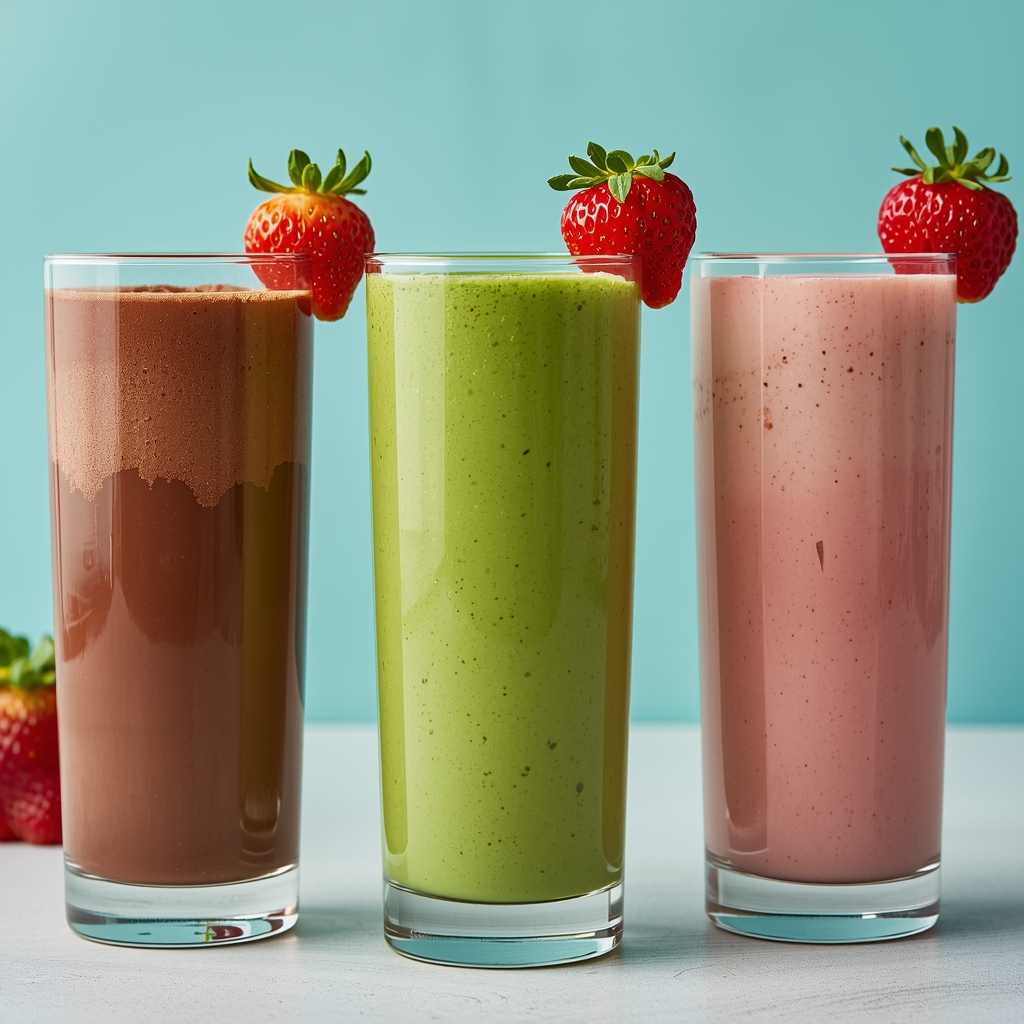
Recipe 1: Banana, Almond Butter & Cacao — Creamy Chocolate Comfort
Why This Combination Works
This smoothie tastes like a chocolate milkshake but delivers sustained energy and genuine nutrition. The banana provides natural sweetness and quick-digesting carbohydrates for immediate energy, plus potassium for muscle and nerve function. Almond butter supplies protein, healthy monounsaturated fats, and vitamin E. Raw cacao adds flavonoids that improve blood flow and mood, along with a small amount of natural caffeine and theobromine for gentle, smooth stimulation without jitters.
Ingredients (1 serving)
- 1 ripe banana – Choose banana with brown spots for maximum sweetness
- 1 tablespoon almond butter – Natural, unsweetened. Can substitute peanut, cashew, or sunflower seed butter
- 1 teaspoon raw cacao powder – Or unsweetened cocoa powder
- 1 cup milk – Dairy or plant-based (almond, oat, soy, coconut)
- Ice cubes – 3-5 cubes if using fresh banana; none if frozen
- Optional: Pinch cinnamon, ½ tsp vanilla extract, 1 tsp honey
Preparation
- Pour milk into blender first
- Add banana chunks, almond butter, cacao powder, and ice
- Blend 30-60 seconds until completely smooth
- Adjust consistency with more milk if too thick
- Taste and add cinnamon or honey if desired
- Serve immediately
Nutritional Highlights
Approximately 280-320 calories, 8-10g protein, 40-45g carbohydrates, 5-6g fiber, 10-12g fat. Notable nutrients include potassium 450mg, magnesium 75mg, vitamin E, iron, and antioxidants from cacao. Provides 2.5-3 hours of sustained energy.
Recipe 2: Spinach, Pineapple & Ginger — Refreshing Anti-Inflammatory Boost
Why This Combination Works
This bright green smoothie delivers energizing nutrients while fighting inflammation and supporting digestion. Spinach provides iron, magnesium, and nitrates that improve blood flow and oxygen delivery. Pineapple contains bromelain, a natural enzyme that aids protein digestion and reduces inflammation, plus vitamin C for immune support. Ginger stimulates circulation, settles the stomach, and has anti-inflammatory compounds. Despite the spinach, this smoothie tastes primarily of sweet pineapple with a subtle ginger kick.
Ingredients (1 serving)
- 1 cup fresh spinach – Packed measurement. Baby spinach works best
- 1 cup pineapple chunks – Fresh or frozen
- ½ teaspoon fresh grated ginger – Start small, add more if desired
- 1 cup coconut water – Or plain filtered water, regular milk, or plant milk
- Optional: 1 tbsp chia seeds, ½ avocado for creaminess
Preparation
- Blend spinach and coconut water for 15-20 seconds first
- Add pineapple chunks and grated ginger
- Blend on high 30-45 seconds until smooth
- Stir in chia seeds if using and let sit 2-3 minutes
- Taste and adjust sweetness or ginger as desired
- Serve cold
Nutritional Highlights
Approximately 120-150 calories (250-280 with chia and avocado), 2-3g protein (6-7g with chia), 30-35g carbohydrates, 3-4g fiber (7-8g with chia). Notable nutrients include vitamin C 130% DV, vitamin A 50% DV, iron 15% DV, magnesium, potassium, manganese. Lighter in calories but nutrient-dense.

Recipe 3: Strawberry, Greek Yogurt & Oats — Creamy, Filling Breakfast Bowl
Why This Combination Works
This smoothie is the most protein-rich and filling of the three—essentially a complete breakfast in a glass. Greek yogurt provides concentrated protein plus probiotics for gut health. Rolled oats add complex carbohydrates and beta-glucan fiber that slows digestion and stabilizes blood sugar. Strawberries bring vitamin C, antioxidants, and natural sweetness with relatively low sugar compared to tropical fruits. The result is thick, creamy, satisfying, and genuinely filling.
Ingredients (1 serving)
- 1 cup strawberries – Fresh or frozen. Can substitute mixed berries
- ½ cup plain Greek yogurt – Full-fat, 2%, or nonfat. For dairy-free use coconut or soy yogurt
- ¼ cup rolled oats – Old-fashioned oats. For gluten-free use certified GF oats
- 1 cup milk – Dairy or plant-based
- Optional: 1 tsp honey or maple syrup, ½ tsp vanilla extract
- Ice cubes: 3-4 if using fresh berries; none with frozen
Preparation
- Pour milk into blender, add oats, let sit 30-60 seconds to soften
- Add Greek yogurt, strawberries, and ice if using
- Blend on high 45-60 seconds until completely smooth
- Check thickness – should be thick and spoonable
- Add milk if too thick, more oats or yogurt if too thin
- Taste and add honey or vanilla if desired
- Serve immediately
Nutritional Highlights
Approximately 300-350 calories, 18-20g protein, 45-50g carbohydrates, 6-7g fiber, 5-8g fat. Notable nutrients include calcium 30% DV, vitamin C 90% DV, probiotics, B vitamins, manganese. Provides 3-4 hours of sustained energy with exceptional satiety.
Nutrition Science: Why These Smoothies Work
All three smoothies include protein, fiber, and healthy fats—the combination proven to stabilize blood sugar and provide sustained energy. Protein slows gastric emptying, triggering hormones that slow digestion. Fiber forms a gel in your digestive tract that slows sugar absorption. Fat provides concentrated, slow-burning energy and helps absorb fat-soluble vitamins.
The smoothies contain natural sugars from whole fruits, which behave very differently than added sugars. Whole fruit includes fiber that slows sugar absorption. Fruit sugars come packaged with vitamins, minerals, antioxidants, and water. These smoothies use reasonable fruit portions—1 banana or 1 cup berries—without excess.
Practical Tips for Smoothie Success
Blending order matters: Always add liquid first. Blend greens with liquid for 15-20 seconds before adding other ingredients. Add soft ingredients next, frozen last.
Texture adjustments: Too thick? Add liquid 2 tablespoons at a time. Too thin? Add frozen fruit, ice, oats, or extra banana. Want it creamier? Use frozen fruit, add ¼ avocado, or add extra yogurt.
Ingredient quality: Frozen fruit is excellent—often frozen at peak ripeness. Choose organic for strawberries and spinach when possible. Use natural nut butters with one ingredient: nuts.
Customization and Variations
Making it vegan: Replace Greek yogurt with coconut yogurt, soy yogurt, or silken tofu. Use plant-based milk.
Boosting protein: Add 1 scoop protein powder, increase Greek yogurt to ¾ cup, add 2 tablespoons hemp hearts or pumpkin seeds, or use soy milk.
Adding healthy fats: Add ¼-½ avocado, include 1 tablespoon chia seeds or ground flaxseeds, increase nut butter to 2 tablespoons.
Reducing sugar: Use ½ banana instead of whole, add ¼ avocado for creaminess, choose lower-sugar fruits like berries, add cucumber or zucchini for volume, increase protein and fat.
Storage and Make-Ahead Strategies
Smoothies are optimal immediately after blending. If you must store, pour into airtight jar filling to the top, refrigerate immediately, consume within 24 hours, shake vigorously before drinking.
For make-ahead convenience, pre-portion ingredients into freezer bags: add all non-liquid ingredients, label with recipe name and date, freeze flat. When ready, dump frozen contents into blender, add liquid, and blend. Don’t pre-add yogurt, nut butter, chia seeds, or liquids—add these fresh.
Frequently Asked Questions
Can I replace my morning coffee with a smoothie?
Yes, especially if you’re drinking coffee for energy rather than genuine enjoyment. The smoothies provide superior sustained energy without jitters or crashes.
Will fruit smoothies spike my blood sugar?
Not when made correctly. Whole-food smoothies that include protein, fat, and fiber prevent blood sugar spikes.
Can I use these as meal replacements?
The strawberry yogurt oats smoothie is substantial enough for most people to use as breakfast. The banana cacao smoothie works as light breakfast or substantial snack. The spinach pineapple smoothie is best as snack unless you add protein powder, chia seeds, and avocado.

Conclusion: Sip Your Way to Sustained Energy
These three smoothies prove that energizing drinks don’t need to rely on caffeine stimulation or sugar crashes. By combining whole fruits, quality proteins, healthy fats, and fiber-rich ingredients, you create beverages that genuinely fuel your body and mind for hours.
Choose the creamy chocolate comfort of banana and cacao when you need satisfaction and steady energy. Opt for the bright, refreshing spinach-pineapple blend when you want lighter nutrition with anti-inflammatory benefits. Reach for the protein-rich strawberry-yogurt-oats smoothie when you need something truly filling and nourishing.
Here’s to sustained energy, stable blood sugar, and drinks that actually nourish you. 🥤✨
For more balanced, energizing recipes, explore our complete healthy recipes collection.