
Quinoa Salad with Grilled Vegetables – Healthy, Colourful & Balanced | Bona Sanita
Introduction: The Power Bowl That Actually Tastes Amazing
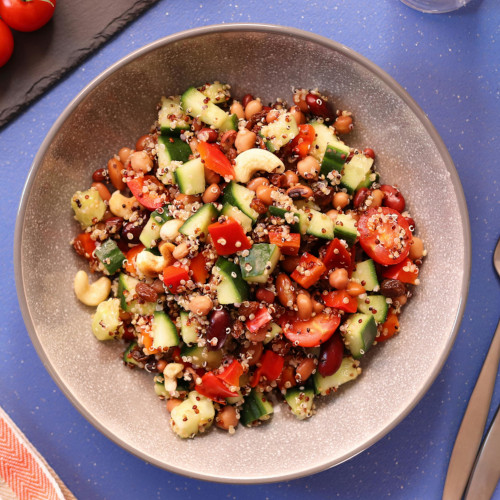
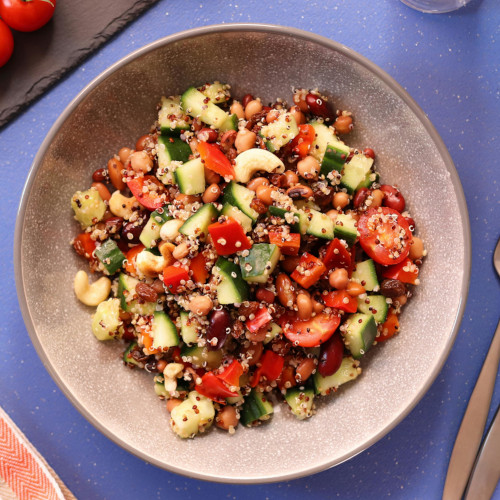
In the world of healthy eating, quinoa salads have earned a somewhat unfortunate reputation—often described as virtuous but bland, the kind of meal you eat because you “should” rather than because you genuinely crave it. This recipe exists to completely demolish that stereotype. This quinoa salad with grilled vegetables is genuinely delicious, satisfying, and beautiful enough to serve at a dinner party, while also being nutritious enough to fuel your busiest days.
The secret lies in technique and balance. Grilling the vegetables creates caramelized edges and smoky depth that transforms them from virtuous-but-boring to genuinely crave-worthy. The quinoa provides a nutty, fluffy base with complete protein. A bright lemon-herb dressing ties everything together without drowning the ingredients. The result is a dish with multiple textures, layers of flavor, and visual appeal that makes eating healthy feel like an indulgence rather than a chore.
This salad works equally well warm or chilled, making it perfect for meal prep, packed lunches, potlucks, or light dinners. It’s naturally gluten-free, easily made vegan, adaptable to whatever vegetables are in season, and holds up beautifully for days in the refrigerator. Whether you’re feeding a family, meal-prepping for the week, or looking for a nutritious dish to bring to a gathering, this recipe delivers.

For more nutritious, delicious recipes, explore our healthy recipe collection featuring simple, flavor-packed meals.
Why Quinoa? Understanding This Nutrition Powerhouse
Quinoa (pronounced KEEN-wah) isn’t actually a grain—it’s a seed from a plant related to spinach and beets. This botanical quirk gives it a unique nutritional profile that makes it stand out among plant-based proteins.
Complete Protein in a Plant Food
The most remarkable thing about quinoa is that it contains all nine essential amino acids, making it a complete protein. This is exceptionally rare in the plant kingdom—most plant proteins are incomplete, missing one or more essential amino acids. This makes quinoa particularly valuable for vegetarians, vegans, and anyone looking to diversify their protein sources beyond animal products.
One cup of cooked quinoa provides approximately 8 grams of protein—more than most grains, and with better amino acid balance. For context, that’s about the same protein as a large egg, but with added fiber, minerals, and plant compounds that eggs don’t provide.
Exceptionally High in Fiber
That same cup of cooked quinoa delivers about 5 grams of fiber—both soluble and insoluble. Soluble fiber helps regulate blood sugar and cholesterol, while insoluble fiber supports digestive health and regular bowel movements. Most Americans consume far less fiber than recommended (25-38 grams daily), so quinoa-based meals contribute meaningfully to closing that gap.
Rich in Essential Minerals
Quinoa is particularly high in manganese (important for bone health and metabolism), magnesium (essential for muscle and nerve function, blood sugar regulation, and blood pressure), iron (crucial for oxygen transport), phosphorus (needed for bone health and energy metabolism), and folate (vital for DNA synthesis and cell division).
Low Glycemic Index
Despite being carbohydrate-rich, quinoa has a low glycemic index (around 53), meaning it causes a slower, more gradual rise in blood sugar compared to refined grains or white rice. This makes it particularly good for sustained energy, blood sugar management, and appetite control—you stay fuller longer without the crash that follows high-glycemic foods.
The Magic of Grilled Vegetables
Raw vegetables are nutritious, but grilling transforms them both nutritionally and gastronomically. Here’s why grilled vegetables make this salad exceptional:
Caramelization and Maillard reactions: High heat causes sugars in vegetables to caramelize and proteins to undergo Maillard reactions, creating hundreds of new flavor compounds. This is why grilled vegetables taste rich, complex, and slightly sweet—vastly different from their raw or boiled counterparts.
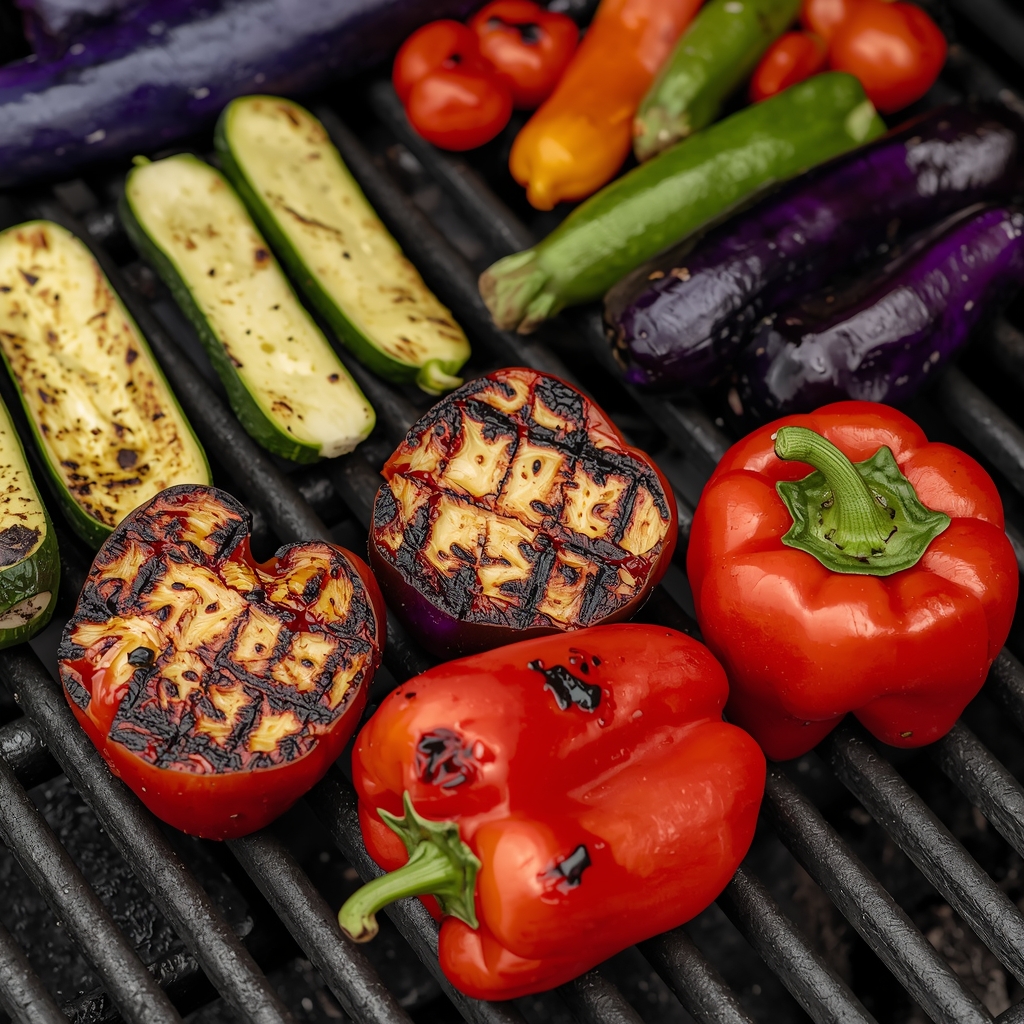
Enhanced nutrient availability: Cooking—including grilling—breaks down cell walls in vegetables, making certain nutrients more bioavailable. For example, lycopene in tomatoes and beta-carotene in bell peppers become more absorbable after cooking. While some heat-sensitive vitamins (like vitamin C) decrease slightly, the overall nutritional impact of grilled vegetables is positive, especially when you eat more vegetables because they taste better.
Concentrated flavors: Grilling evaporates water from vegetables, concentrating their flavors. This makes vegetables taste more intensely “themselves”—a grilled zucchini tastes more “zucchini-ish” than a raw one.
Textural contrast: Grilling creates vegetables with crispy, slightly charred exteriors and tender, creamy interiors. This textural complexity makes eating more interesting and satisfying.
The Complete Recipe: Quinoa Salad with Grilled Vegetables
Ingredients (Serves 4-6)
For the quinoa base:
- 1½ cups dry quinoa (yields about 4½ cups cooked)
- 3 cups water or vegetable broth
- ½ teaspoon salt
For the grilled vegetables:
- 2 medium zucchini, sliced lengthwise ½-inch thick
- 2 red bell peppers, quartered and seeded
- 1 medium eggplant, sliced into ½-inch rounds
- 1 red onion, sliced into thick rounds
- 3 tablespoons olive oil
- 1 teaspoon salt
- ½ teaspoon black pepper
- Optional: 1 teaspoon smoked paprika or cumin for extra flavor
For the lemon-herb dressing:
- ¼ cup extra-virgin olive oil
- 3 tablespoons fresh lemon juice (about 1 large lemon)
- 1 garlic clove, minced
- 1 teaspoon Dijon mustard
- ½ cup fresh herbs (parsley, basil, mint, or cilantro), finely chopped
- Salt and pepper to taste
Optional additions:
- ½ cup chickpeas or white beans (for extra protein)
- ½ cup crumbled feta or goat cheese
- ¼ cup toasted pine nuts, almonds, or pumpkin seeds
- ½ cup cherry tomatoes, halved
- 2 cups fresh arugula or spinach
Instructions
Step 1: Prepare the quinoa
Rinse quinoa thoroughly in a fine-mesh strainer under cold water for 30-60 seconds. This removes the natural coating (saponins) that can make quinoa taste bitter or soapy. Combine rinsed quinoa, water (or broth for more flavor), and salt in a medium saucepan. Bring to a boil over high heat, then reduce to low, cover, and simmer for 15 minutes. Remove from heat and let stand, covered, for 5 minutes. Fluff with a fork and spread on a baking sheet to cool quickly and prevent clumping.
Step 2: Prepare vegetables for grilling
While quinoa cooks, prepare vegetables. Slice zucchini and eggplant lengthwise into ½-inch thick planks (thinner and they’ll fall through grill grates or become mushy; thicker and they won’t cook through). Quarter bell peppers and remove seeds. Slice red onion into thick rounds and thread with toothpicks to keep rings together. Brush all vegetables generously with olive oil on both sides and season with salt, pepper, and optional spices.
Step 3: Grill the vegetables
Preheat grill to medium-high (about 400-450°F). For gas grills, turn burners to medium-high. For charcoal, coals should be covered with white ash. Alternatively, use a grill pan on the stovetop over medium-high heat.
Grill vegetables in batches if necessary, without crowding:
- Zucchini: 3-4 minutes per side until tender with grill marks
- Bell peppers: 4-5 minutes per side until skin blisters and chars slightly
- Eggplant: 4-5 minutes per side until very tender and golden
- Red onion: 3-4 minutes per side until softened and charred
Remove vegetables as they finish cooking and let them cool slightly before cutting into bite-sized pieces.
Step 4: Make the dressing
In a small bowl or jar, whisk together olive oil, lemon juice, minced garlic, Dijon mustard, salt, and pepper. Add chopped fresh herbs just before serving to preserve their bright color and fresh flavor.
Step 5: Assemble the salad
In a large bowl, combine cooled quinoa and grilled vegetables. Pour dressing over the salad and toss gently but thoroughly to coat everything evenly. Taste and adjust seasoning—you may want more lemon juice, salt, or herbs. If adding optional ingredients like chickpeas, cheese, nuts, or greens, fold them in now.
Step 6: Serve
Serve immediately while vegetables are still slightly warm, or refrigerate for 1-2 hours for a chilled salad. Both versions are delicious. Garnish with additional fresh herbs, a drizzle of olive oil, or a sprinkle of flaky sea salt.
Nutrition Breakdown
One serving (approximately 1½ cups) of this quinoa salad provides:
- Calories: 320-380 (depending on oil used and optional additions)
- Protein: 10-12g (complete protein from quinoa)
- Carbohydrates: 45-50g (primarily complex carbs with low glycemic index)
- Fiber: 8-10g (about 30-40% of daily needs)
- Fat: 12-15g (primarily heart-healthy monounsaturated fats from olive oil)
- Key vitamins: High in vitamin C (from peppers), vitamin A (from peppers and eggplant), folate (from quinoa), vitamin K
- Key minerals: Excellent source of manganese, magnesium, iron, phosphorus, potassium
According to the Harvard T.H. Chan School of Public Health, quinoa’s complete protein and rich nutrient profile make it an excellent foundation for plant-based meals.
Meal Prep and Storage
This salad is exceptionally well-suited for meal prep:
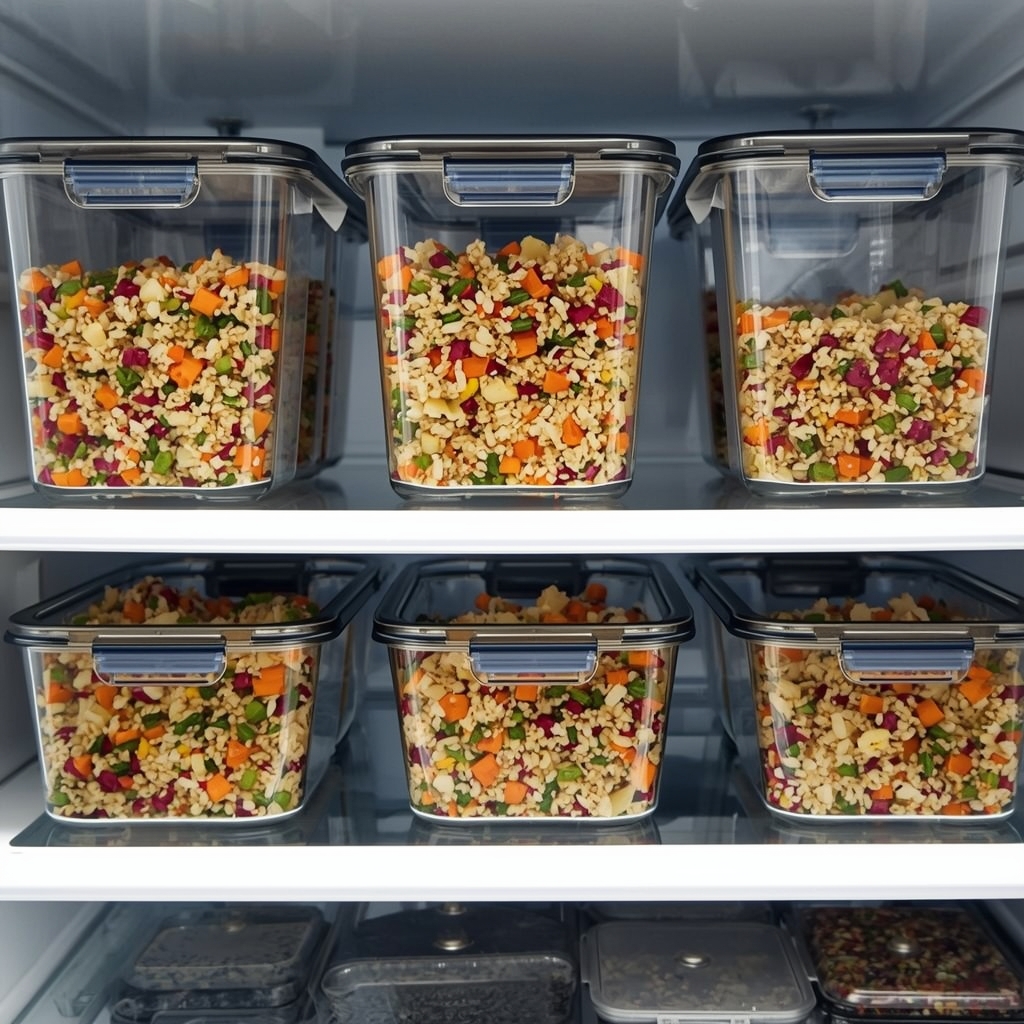
Storage: Store in an airtight container in the refrigerator for up to 5 days. The flavors actually improve as they meld together over the first 24 hours.
Dressing separately: For maximum freshness, you can store the dressing separately and add it just before eating. However, quinoa absorbs dressing well without becoming soggy, so pre-dressed salad also works great.
Portioning: Divide into individual containers for grab-and-go lunches. Pair with a protein (grilled chicken, tofu, boiled eggs, or canned tuna) for a complete meal.
Freezing: While fresh is best, you can freeze cooked quinoa alone (not the whole salad) for up to 3 months. Thaw in the refrigerator overnight and freshen with newly grilled vegetables and dressing.
Temperature flexibility: This salad is delicious cold, room temperature, or gently warmed. For warming, microwave for 30-60 seconds or briefly sauté in a pan—just enough to take the chill off.
Variations and Customizations
Mediterranean style: Add Kalamata olives, sun-dried tomatoes, artichoke hearts, crumbled feta cheese, and use oregano in the dressing.
Mexican-inspired: Add black beans, corn, diced avocado, cilantro, lime juice instead of lemon, and cumin in the dressing. Top with pepitas (pumpkin seeds).
Asian fusion: Use sesame oil in the dressing, add edamame, snap peas, shredded carrots, and top with sesame seeds and sliced scallions. Replace lemon with rice vinegar.
Fall harvest: Grill or roast sweet potato cubes, Brussels sprouts, and butternut squash instead of summer vegetables. Add dried cranberries and toasted pecans. Use apple cider vinegar in the dressing.
Protein additions: Grilled chicken, shrimp, salmon, chickpeas, white beans, black beans, tofu, tempeh, or hard-boiled eggs.
Grain swaps: While quinoa is ideal, you can substitute farro, brown rice, wild rice, bulgur, or freekeh using the same preparation method.
Frequently Asked Questions
Do I really need to rinse quinoa?
Yes, highly recommended. Quinoa has a natural coating called saponins that can taste bitter or soapy if not rinsed off. Most packaged quinoa is pre-rinsed, but an additional rinse ensures the best flavor.
Can I use a grill pan instead of an outdoor grill?
Absolutely. A cast-iron grill pan on the stovetop works great. Heat it over medium-high heat until very hot before adding vegetables. You’ll get similar char marks and caramelization.
Can I roast the vegetables instead of grilling?
Yes. Roast at 425°F (220°C) for 20-25 minutes, flipping halfway through, until vegetables are tender and edges are caramelized. Roasting produces slightly different flavors but is equally delicious.
How do I keep the salad from becoming dry?
Use enough dressing—quinoa absorbs liquid readily. If the salad seems dry after refrigeration, refresh with a drizzle of olive oil and a squeeze of lemon juice before serving.
Is this salad vegan?
The base recipe is completely vegan. Optional additions like feta or goat cheese would make it vegetarian but not vegan. Substitute with nutritional yeast for a vegan “cheesy” flavor.
What if I don’t like eggplant?
No problem—substitute mushrooms, asparagus, cherry tomatoes, or additional zucchini. The beauty of this recipe is its flexibility.
Conclusion: A Recipe That Supports Your Goals
This quinoa salad with grilled vegetables proves that healthy eating doesn’t require sacrifice. It’s nutritionally dense, providing complete protein, abundant fiber, essential minerals, and antioxidants. It’s culinarily satisfying, with complex flavors, multiple textures, and visual appeal. And it’s practical, working equally well for meal prep, potlucks, family dinners, or solo lunches.
The recipe is endlessly adaptable—change the vegetables based on what’s in season or what’s in your refrigerator, adjust the herbs to your preference, add protein or cheese to match your dietary needs, or vary the dressing for different flavor profiles. The foundational technique remains the same: properly cooked quinoa plus flavorful grilled vegetables plus bright, simple dressing equals a meal you’ll genuinely look forward to eating.
Make it this week. Your taste buds and your body will thank you. 🥗✨
For more nutritious, delicious recipes, explore our healthy recipe collection.