
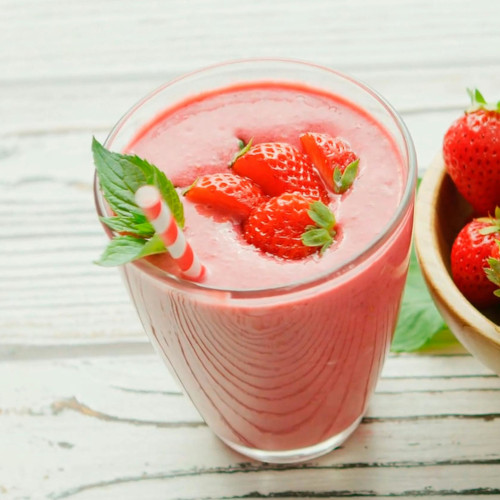
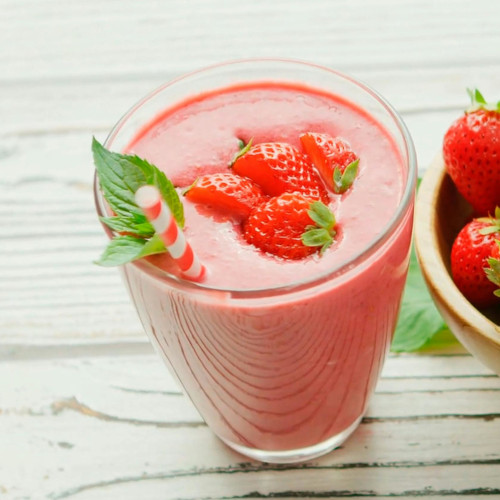
Berry Smoothie Bowl: Energizing Antioxidant-Packed Breakfast Recipe
There are mornings when your body craves something beyond ordinary breakfast—something vibrant, nutrient-dense, and naturally energizing from the first spoonful. A berry smoothie bowl delivers exactly this: a thick, creamy base loaded with antioxidants, topped with crunchy textures that transform eating into a sensory experience. Unlike drinkable smoothies that you finish in seconds, a smoothie bowl slows you down, encouraging mindful eating while providing sustained energy that carries you through your morning.
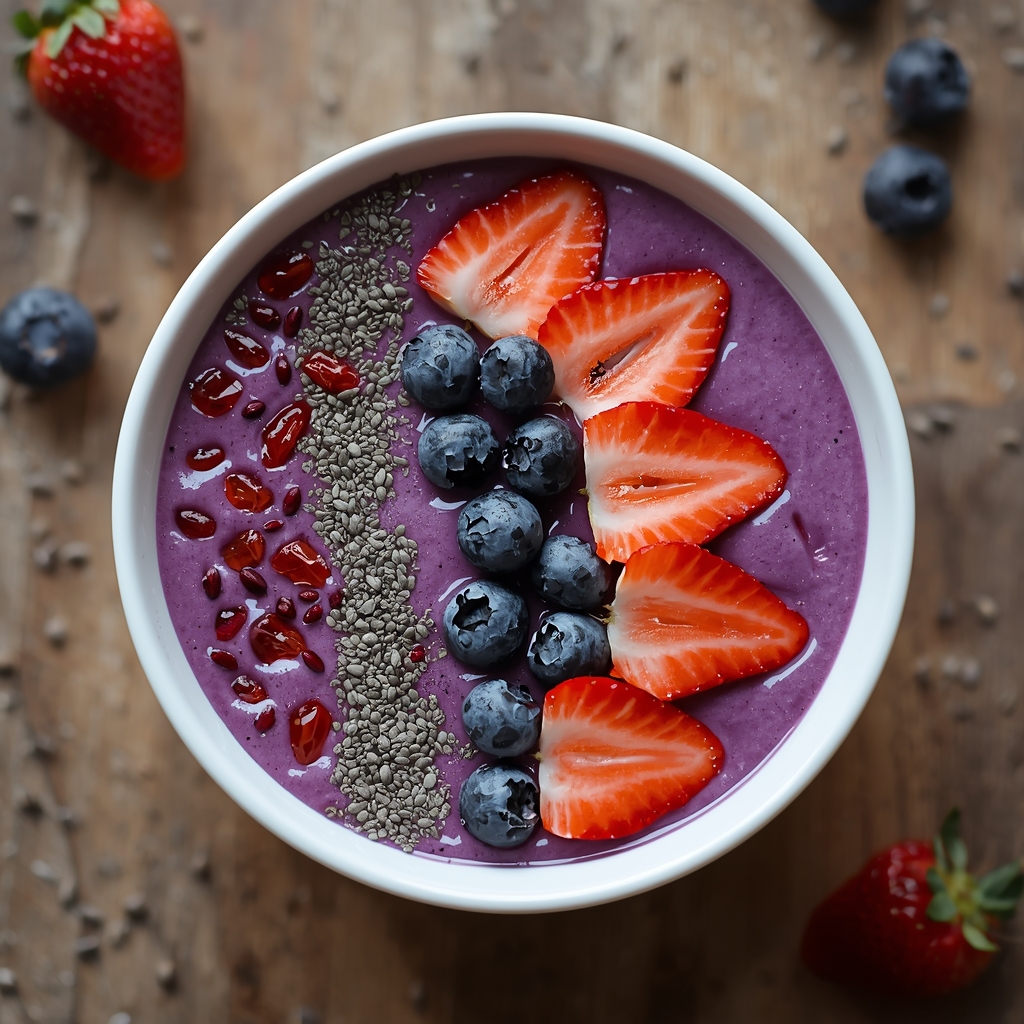
This isn’t just another trendy breakfast—it’s a nutritional powerhouse that combines the concentrated antioxidant benefits of mixed berries with the natural creaminess of banana, the omega-3 richness of chia seeds, and the light, dairy-free base of almond milk. The result is a breakfast that fuels your body while satisfying your taste buds, proving that health and flavor don’t have to be mutually exclusive.
Why Berry Smoothie Bowls Are a Nutritional Powerhouse
Berries rank among the most antioxidant-rich foods available, with blueberries, strawberries, and raspberries each bringing unique phytonutrients to the table. The deep purple and red hues aren’t just visually appealing—they signal the presence of anthocyanins and ellagic acid, powerful compounds that combat oxidative stress at the cellular level. When you consume a berry smoothie bowl, you’re essentially giving your body a concentrated dose of protective antioxidants that help neutralize free radicals, those unstable molecules that contribute to aging and chronic disease.
The magic happens when you combine multiple berry types. Blueberries contribute anthocyanins that support brain health and memory function. Strawberries provide vitamin C in abundance—just one cup delivers more than 100% of your daily requirement, supporting immune function and collagen production for healthy skin. Raspberries add ketones and fiber, compounds linked to improved metabolism and digestive health. Together, these berries create a synergistic effect where the whole becomes greater than the sum of its parts.
But the nutritional story doesn’t end with berries. The banana base provides natural sweetness without added sugars, while delivering potassium for heart health and B vitamins for energy metabolism. Its creamy texture when frozen creates that signature thick consistency that makes smoothie bowls spoonable rather than drinkable. Chia seeds, though tiny, pack an impressive nutritional punch with omega-3 fatty acids, complete protein, and fiber that expands in your stomach to promote satiety. The almond milk keeps things light and dairy-free while adding vitamin E and healthy fats.
The Science Behind Thick Smoothie Bowl Texture
The key difference between a smoothie bowl and a regular smoothie lies in texture and eating experience. A smoothie bowl should be thick enough to eat with a spoon—almost ice cream-like in consistency. This thickness isn’t just about mouthfeel; it has practical benefits for digestion and satiety. When you eat with a spoon rather than drinking quickly through a straw, you chew more, activating digestive enzymes in your saliva and sending satiety signals to your brain. This slower eating pace helps prevent overconsumption and makes you feel fuller longer.

Achieving perfect thickness requires the right ingredient ratios and techniques. Using frozen fruit is essential—it creates that cold, thick base without diluting flavor with ice. The frozen banana acts as a natural thickener while adding creaminess. The minimal liquid (just half a cup for this recipe) ensures you don’t accidentally create a drinkable smoothie. If your blend comes out too thick, you can always thin it with a splash more milk, but going in the opposite direction is much harder.
Professional tip: start blending with the liquid and soft ingredients at the bottom, then add frozen fruits gradually. This prevents your blender from struggling and ensures smooth, even blending. A high-powered blender makes this process effortless, but even standard blenders can achieve great results if you let frozen fruit soften for 5-10 minutes before blending and pulse rather than running continuously.
Essential Ingredients for the Perfect Berry Smoothie Bowl
Creating an exceptional berry smoothie bowl requires quality ingredients in the right proportions. Each component serves a specific nutritional and textural purpose:
Mixed berries (1 cup, frozen): Use a combination of blueberries, strawberries, and raspberries for maximum antioxidant diversity. Frozen berries are actually superior to fresh for smoothie bowls—they’re picked at peak ripeness and flash-frozen to preserve nutrients, plus they create that thick, frosty texture. Wild blueberries, though smaller, contain even higher antioxidant levels than cultivated varieties.
Banana (1 medium, frozen): The banana serves multiple purposes: natural sweetness without added sugars, creamy texture when frozen, and potassium for muscle and heart function. Freeze ripe bananas (those with brown spots are sweetest) by peeling, slicing, and storing in freezer bags. This prep step makes morning smoothie bowl assembly lightning-fast.
Almond milk (½ cup): Unsweetened almond milk keeps calories low while adding vitamin E and a subtle nutty flavor. You can substitute with oat milk for extra creaminess, coconut milk for tropical flair, or regular dairy milk if you’re not avoiding dairy. The key is using minimal liquid—too much creates a drinkable consistency rather than a spoonable bowl.
Chia seeds (1 tablespoon): These tiny seeds deliver outsized nutrition: omega-3 fatty acids for brain health and inflammation reduction, complete protein with all nine essential amino acids, and soluble fiber that absorbs liquid and creates gel-like texture. Chia seeds also provide calcium, magnesium, and phosphorus for bone health. Add them directly to the blend, or sprinkle on top for textural contrast.
Honey (1 tablespoon, optional): Natural honey adds floral sweetness and provides antioxidants and antimicrobial properties. However, ripe berries and banana usually provide sufficient sweetness. Taste your base before adding honey—you might not need it. If you do add sweetener, consider alternatives like maple syrup for a different flavor profile, or dates for added fiber.
Step-by-Step: Creating Your Berry Smoothie Bowl
Making a perfect smoothie bowl takes just minutes once you have your ingredients prepped. Here’s the foolproof method:
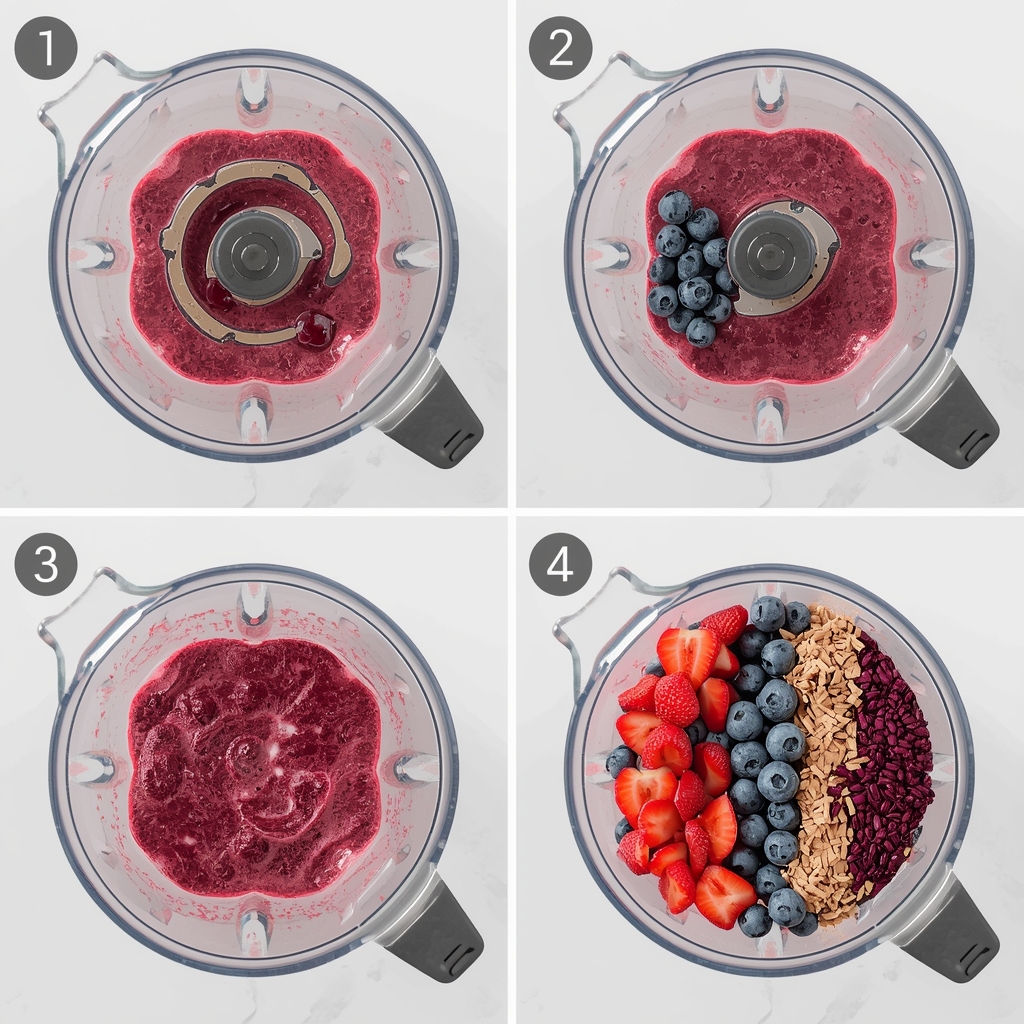
Step 1: Assemble ingredients. Remove frozen fruit from the freezer and let it soften for 5-10 minutes while you gather toppings and prepare your bowl. This softening makes blending easier and reduces wear on your blender motor.
Step 2: Layer blender correctly. Add liquid (almond milk) first, then chia seeds, then soft ingredients (if using unfrozen banana or fresh berries), and finally frozen fruits on top. This layering ensures smooth blending without air pockets that can prevent proper mixing.
Step 3: Blend until thick and smooth. Start on low speed to break down frozen fruit, then increase to high. Use the tamper (if your blender has one) to push ingredients toward the blades. Blend just until smooth—over-blending warms the mixture and creates a thinner, less ideal consistency. The total blending time should be 30-60 seconds.
Step 4: Check consistency. Your smoothie base should be thick enough that a spoon stands upright in it. If too thick to blend, add liquid one tablespoon at a time. If too thin, add more frozen fruit or a handful of ice.
Step 5: Pour into bowl. Use a wide, shallow bowl rather than a deep one. This provides more surface area for toppings and makes eating easier. A frozen bowl (keep one in the freezer overnight) helps maintain the cold temperature longer.
Step 6: Add toppings immediately. The beauty of smoothie bowls comes from thoughtful topping arrangement. Work quickly before the base begins to melt.
Creative Topping Ideas for Texture and Nutrition
Toppings transform a simple blended fruit base into a complete, satisfying breakfast. They add textural contrast, extra nutrients, and visual appeal. Here’s how to top like a pro:
Fresh berries: Reserve some whole strawberries, blueberries, or raspberries to arrange on top. Fresh fruit provides textural contrast to the frozen base and adds visual color contrast. Slice strawberries for easier eating.
Crunchy elements: Granola adds satisfying crunch and whole grains. Choose low-sugar varieties or make your own by toasting oats with nuts and a touch of honey. Toasted coconut flakes provide tropical flavor and healthy fats. Sliced almonds, chopped walnuts, or pecans add protein, healthy fats, and omega-3s.
Seeds for nutrition: Beyond chia seeds in the base, try pumpkin seeds (pepitas) for magnesium and zinc, hemp seeds for complete protein and omega balance, or flax seeds for lignans and additional omega-3s. These tiny additions significantly boost nutritional density.
Superfood boosters: A drizzle of almond or peanut butter adds protein and helps you stay full longer. Cacao nibs provide chocolatey crunch without added sugar, plus flavonoids for heart health. Unsweetened coconut flakes offer medium-chain triglycerides that provide quick energy.
Creative additions: Fresh mint leaves add cooling freshness. Edible flowers like pansies or violas create stunning visual appeal for special occasions. A light dusting of matcha powder adds antioxidants and subtle earthy flavor.
Topping strategy matters: arrange toppings in sections rather than scattering randomly. This creates visual interest and lets you customize each bite. Some people enjoy distinct flavor zones—berries in one section, nuts in another, seeds in a third—while others prefer integrated topping distribution.
Nutritional Benefits: What Your Body Gets
Every spoonful of this berry smoothie bowl delivers measurable nutritional benefits. A typical serving (without additional toppings) provides approximately:
Calories: 250-300, making it a substantial breakfast or post-workout meal without being heavy. The natural sugars from fruit provide immediate energy, while fiber and healthy fats ensure sustained blood sugar levels rather than spikes and crashes.
Fiber: 8-10 grams, about one-third of daily requirements. This combination of soluble fiber (from chia and banana) and insoluble fiber (from berries) supports digestive health, promotes feelings of fullness, and helps maintain stable blood sugar. Regular fiber intake correlates with reduced risk of heart disease, diabetes, and certain cancers.
Protein: 5-7 grams from chia seeds and almond milk. While not protein-packed compared to eggs or yogurt, this amount contributes to daily requirements. Add Greek yogurt or protein powder to the base for a higher-protein version ideal for post-exercise recovery.
Vitamin C: More than 100% of daily needs, thanks to berries’ exceptional vitamin C content. This water-soluble vitamin supports immune function, acts as a powerful antioxidant, is essential for collagen synthesis (important for skin, joints, and blood vessels), and enhances iron absorption from plant foods.
Antioxidants: Berries rank highest among fruits for antioxidant capacity, measured by ORAC (Oxygen Radical Absorbance Capacity) scores. These antioxidants—including anthocyanins, ellagic acid, and resveratrol—protect cells from oxidative damage, reduce inflammation, support brain health, and may help prevent chronic diseases.
Omega-3 fatty acids: From chia seeds, these essential fats support brain function, reduce inflammation, promote heart health, and are crucial for cell membrane integrity. The alpha-linolenic acid (ALA) in chia converts partially to EPA and DHA, the forms most beneficial for health.
Potassium: Bananas provide significant potassium, essential for heart rhythm, muscle function, nerve signaling, and blood pressure regulation. Most people consume insufficient potassium, making smoothie bowls an easy way to increase intake.
Beyond individual nutrients, smoothie bowls deliver phytonutrients—plant compounds that don’t have established daily requirements but provide health benefits. Berries contain quercetin, kaempferol, and myricetin, flavonoids associated with reduced inflammation and improved metabolic health.
Delicious Variations to Keep Things Interesting
The basic berry smoothie bowl is just a starting point. Endless variations prevent breakfast boredom while meeting different nutritional goals:
Tropical Berry Bowl: Replace half the berries with frozen mango or pineapple for a sweet, tropical twist. Top with fresh kiwi, toasted coconut, and macadamia nuts. This version increases vitamin A and adds enzymes like bromelain from pineapple.
Chocolate Berry Bowl: Add 1-2 tablespoons of cacao powder to the base for rich chocolate flavor without added sugar. Top with cacao nibs and sliced banana. The combination of berries and cacao creates a dessert-like experience while doubling antioxidant content.
Green Berry Bowl: Add a handful of spinach to the blender—you won’t taste it, but you’ll add iron, folate, and vitamins K and A. The berries completely mask spinach’s flavor while maintaining the smoothie’s vibrant color (though slightly more purple than pure berry versions).
Protein-Packed Bowl: Add a scoop of vanilla or unflavored protein powder (whey, pea, or hemp) to the base. Use Greek yogurt instead of almond milk for even more protein. This version provides 20-30 grams of protein, ideal for post-workout recovery or as a meal replacement.
Nut Butter Berry Bowl: Blend in 1-2 tablespoons of almond butter or peanut butter for creamy richness and sustained energy from healthy fats. This addition increases calories but dramatically improves satiety, making it perfect for active days.
Açai Berry Bowl: Add a packet of frozen açai puree to your berry mix. Açai berries from Brazil provide exceptional antioxidants and create that signature deep purple color popularized by Brazilian surf culture. This has become a smoothie bowl classic for good reason.
Lower-Sugar Version: Replace banana with frozen cauliflower (sounds strange, works perfectly—it adds thickness without flavor) and use more berries. This dramatically reduces sugar content while maintaining texture. Add a touch of vanilla extract and stevia if you need sweetness.
Making Smoothie Bowls Part of Your Routine
Consistency turns good intentions into lasting habits. These strategies make smoothie bowls sustainable as a regular breakfast:
Weekend prep: Spend 20 minutes on Sunday preparing smoothie bowl ingredients for the week. Wash, portion, and freeze fresh berries in individual bags or containers. Peel, slice, and freeze ripe bananas. Measure chia seeds into small containers. Morning assembly becomes grab-and-blend simple.
Smoothie packs: Create complete smoothie bowl kits by combining all ingredients except liquid in freezer bags or containers. Each pack contains berries, banana, and chia seeds—just dump into blender, add liquid, and blend. This approach makes weekday mornings effortless.
Keep staples stocked: Maintain a freezer supply of mixed berries, sliced bananas, and your preferred milk alternative. A well-stocked freezer means you’re never more than 3 minutes from a nutritious breakfast.
Invest in tools: A quality blender makes the process enjoyable rather than frustrating. It doesn’t need to be the most expensive model, but it should handle frozen fruit without overheating. Keep a variety of toppings available—nuts, seeds, granola, coconut flakes—so you can customize without extra shopping trips.
Portion awareness: While smoothie bowls are healthy, calories can add up with generous toppings. If weight management is a goal, measure toppings initially until you develop intuition for appropriate amounts. A food scale helps with accuracy.
For more healthy breakfast ideas and nutritious recipes, explore our collection of wholesome meal options designed to energize your mornings.
Common Questions About Berry Smoothie Bowls
Can I use fresh berries instead of frozen?
You can, but frozen berries work better for smoothie bowls. Fresh berries require adding ice to achieve thick consistency, which dilutes flavor and can make the texture icy rather than creamy. Frozen berries, picked and frozen at peak ripeness, actually retain more nutrients than fresh berries that travel long distances. If using fresh, freeze them for at least 2 hours before blending, or compensate by adding more frozen banana.
How do I make my smoothie bowl thicker?
Thickness comes from using minimal liquid and maximum frozen fruit. Start with just ½ cup liquid and add more only if necessary. Use a frozen banana rather than fresh. Consider adding frozen cauliflower (it’s flavorless and adds thickness), frozen avocado for creaminess, or a tablespoon of rolled oats. Let your blender work harder—resist the urge to add liquid immediately if blending is difficult. Use the tamper to push ingredients down rather than adding liquid.
Can I prepare smoothie bowls ahead?
Smoothie bowls are best fresh for optimal texture and nutrient preservation, especially vitamin C which degrades with exposure to air. However, you can prepare the base the night before and store it in an airtight container in the refrigerator or freezer. If refrigerated, the texture will be more like a thick yogurt by morning—still delicious, just different. If frozen, let it soften for 10-15 minutes before eating, or re-blend with a splash of milk. Add fresh toppings only when ready to eat.
Is this recipe vegan?
As written with almond milk, yes—it’s completely vegan. The optional honey is the only non-vegan ingredient; simply substitute with maple syrup, agave nectar, or skip sweetener entirely. All topping suggestions can be kept vegan by avoiding honey drizzles and dairy-based yogurt if using that variation.
How long does it take to make?
With prepped ingredients (frozen fruit, measured chia seeds), total time from assembly to first bite is 5 minutes. Most of that is blending and arranging toppings. Without prep, add 10 minutes for washing fresh fruit and slicing banana. This makes smoothie bowls one of the fastest nutritious breakfasts available, comparable to cereal but infinitely more nutritious.
Can kids enjoy smoothie bowls?
Absolutely! Kids love the vibrant colors, the fun of eating with a spoon, and the ability to customize toppings. Smoothie bowls sneak in nutrients that picky eaters might refuse in whole form—spinach disappears into berry-colored bases, chia seeds look like tiny fun sprinkles, and the sweet berry flavor makes healthy eating enjoyable. Let kids help choose and arrange toppings to increase engagement and willingness to eat.
Do I need to add protein powder?
Not necessarily. The base recipe provides moderate protein from chia seeds and almond milk—sufficient for a regular breakfast. Add protein powder if: (1) you’re using the smoothie bowl as a post-workout meal and want 20-30g protein for recovery, (2) you’re replacing a meal and need it to keep you full longer, or (3) you have higher protein requirements due to age, activity level, or health conditions. Greek yogurt substituted for almond milk also significantly increases protein without powder.
What’s the best time to eat a smoothie bowl?
Smoothie bowls work beautifully for breakfast, providing energy and nutrients to start your day. They’re also excellent post-workout meals (especially with added protein) when your body needs quick carbohydrates and nutrients for recovery. Some people enjoy them as afternoon snacks or even as healthy desserts. The key is timing carbohydrate intake when your body can use it—active times of day rather than right before bed.
How can I reduce sugar content?
While the sugars in this smoothie bowl come from whole fruit (which includes fiber, vitamins, and phytonutrients), you can reduce sugar by: using fewer berries and more frozen cauliflower or avocado for thickness, choosing less ripe bananas (they’re less sweet but still creamy), eliminating honey, and using unsweetened everything—milk alternative, yogurt if adding, and toppings. Adding protein powder and nut butter slows sugar absorption. Remember that whole fruit sugar isn’t the same as added sugar; it comes packaged with fiber and nutrients that moderate blood sugar impact.
What if I don’t have a high-powered blender?
Regular blenders can still make great smoothie bowls with minor adjustments. Let frozen fruit soften 10-15 minutes before blending. Cut fruit into smaller pieces. Add liquid first, then softer ingredients, then frozen fruits on top. Use pulse mode to break down frozen chunks before switching to continuous blending. Consider using slightly less frozen fruit and adding a few ice cubes instead. Be patient—it might take longer to reach smooth consistency. If your blender truly struggles, invest in a $30-50 personal blender designed for frozen fruit, which often performs better than expensive older models.
For scientifically-backed information about the health benefits of berries and antioxidants, visit Healthline’s comprehensive guide to berry nutrition.
This berry smoothie bowl represents more than just a trendy breakfast—it’s a delicious, sustainable way to nourish your body with powerful antioxidants, essential nutrients, and natural energy. Whether you’re seeking a quick weekday breakfast, a post-workout recovery meal, or simply a healthier alternative to sugary cereals, this versatile recipe adapts to your needs while never compromising on flavor. Start blending, get creative with toppings, and discover why smoothie bowls have earned their place in the healthy eating revolution.
