

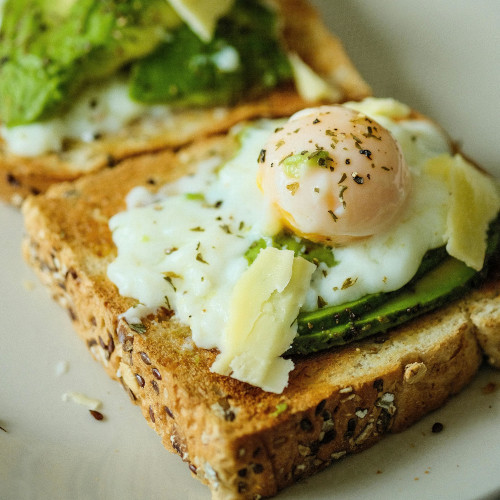
Whole-Grain Avocado and Egg Toast: Quick Nutrient-Dense Breakfast Recipe
Some mornings demand more than coffee and a rushed bite of cereal. Your body craves genuine nourishment—something that steadies energy, sharpens focus, and sustains you through hours of demands without the mid-morning crash. Whole-grain avocado and egg toast delivers exactly this combination: a balanced breakfast that merges protein, healthy fats, and complex carbohydrates in one satisfying plate. This isn’t trendy food for social media; it’s nutritional strategy disguised as comfort food, a meal that tastes indulgent while supporting metabolic health, cardiovascular function, and sustained cognitive performance.
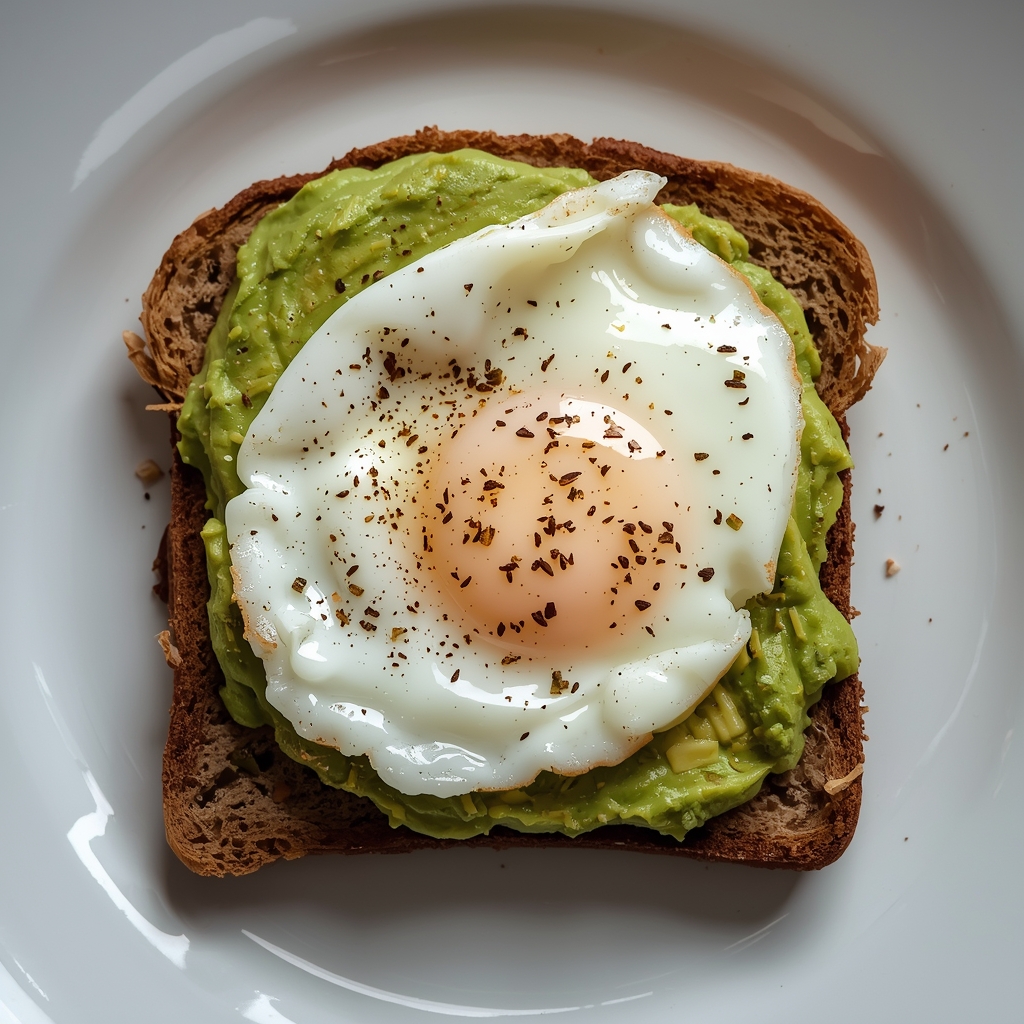
The genius of this breakfast lies in its macronutrient architecture. Eggs provide complete protein with all essential amino acids your body cannot manufacture—critical for muscle maintenance, neurotransmitter production, and cellular repair. Avocado contributes monounsaturated fats that slow digestion, enhance nutrient absorption, and signal satiety hormones that prevent overeating later. Whole-grain bread offers complex carbohydrates and fiber that release glucose gradually, avoiding the insulin spike-and-crash cycle that leaves you foggy and hungry by ten o’clock. Together, these three components create what nutritionists call a “complete meal”—macronutrient balance that supports both immediate function and long-term health.
Why This Breakfast Works: The Science of Satiety and Sustained Energy
Understanding why certain food combinations outperform others requires examining how different macronutrients interact with your metabolism and hunger regulation systems. When you eat refined carbohydrates alone—toast with jam, cereal with skim milk, a bagel—your blood sugar rises rapidly. Your pancreas responds by releasing insulin to clear glucose from your bloodstream. This works efficiently, but the rapid clearance often overshoots, leaving you with low blood sugar and renewed hunger within two hours. This pattern creates the familiar mid-morning energy crash that sends people searching for snacks or additional coffee.
Protein and fat fundamentally alter this metabolic trajectory. Protein triggers the release of peptide YY and glucagon-like peptide-1, hormones that signal fullness and slow stomach emptying. Fat delays gastric emptying even further while stimulating cholecystokinin, another satiety hormone. The fiber in whole-grain bread adds physical bulk and slows carbohydrate absorption. The practical result: blood sugar rises more gradually and stays elevated longer, providing steady energy without dramatic fluctuations. Studies measuring satiety after different breakfast types consistently show that protein-and-fat combinations reduce total calorie intake throughout the day compared to carbohydrate-dominant meals, even when the breakfasts contain identical calories.
The specific nutrients in this toast combination offer additional advantages beyond basic macronutrient balance. Egg yolks contain choline, essential for acetylcholine synthesis—the neurotransmitter crucial for memory formation and learning. Many people consume inadequate choline, making eggs particularly valuable for cognitive function. Avocados provide lutein and zeaxanthin, carotenoid antioxidants that concentrate in brain tissue and eye retinas, supporting both cognitive processing and visual health. The monounsaturated fats in avocado facilitate absorption of these fat-soluble compounds while also promoting healthy blood lipid profiles that protect cardiovascular function over decades of regular consumption.
Essential Ingredients and Quality Considerations
Creating an optimal version of this breakfast begins with ingredient selection. The bread choice matters more than most people realize. True whole-grain bread contains the entire grain kernel—bran, germ, and endosperm—providing fiber, B vitamins, minerals, and phytochemicals stripped away during refinement. Check ingredient labels carefully; “wheat bread” often means refined white flour with caramel coloring, while genuine whole-grain bread lists “whole wheat flour” or “whole grain” as the first ingredient. Dense, hearty breads like whole wheat sourdough, multigrain, or seeded varieties offer superior nutrition and more complex flavors that complement avocado’s richness.
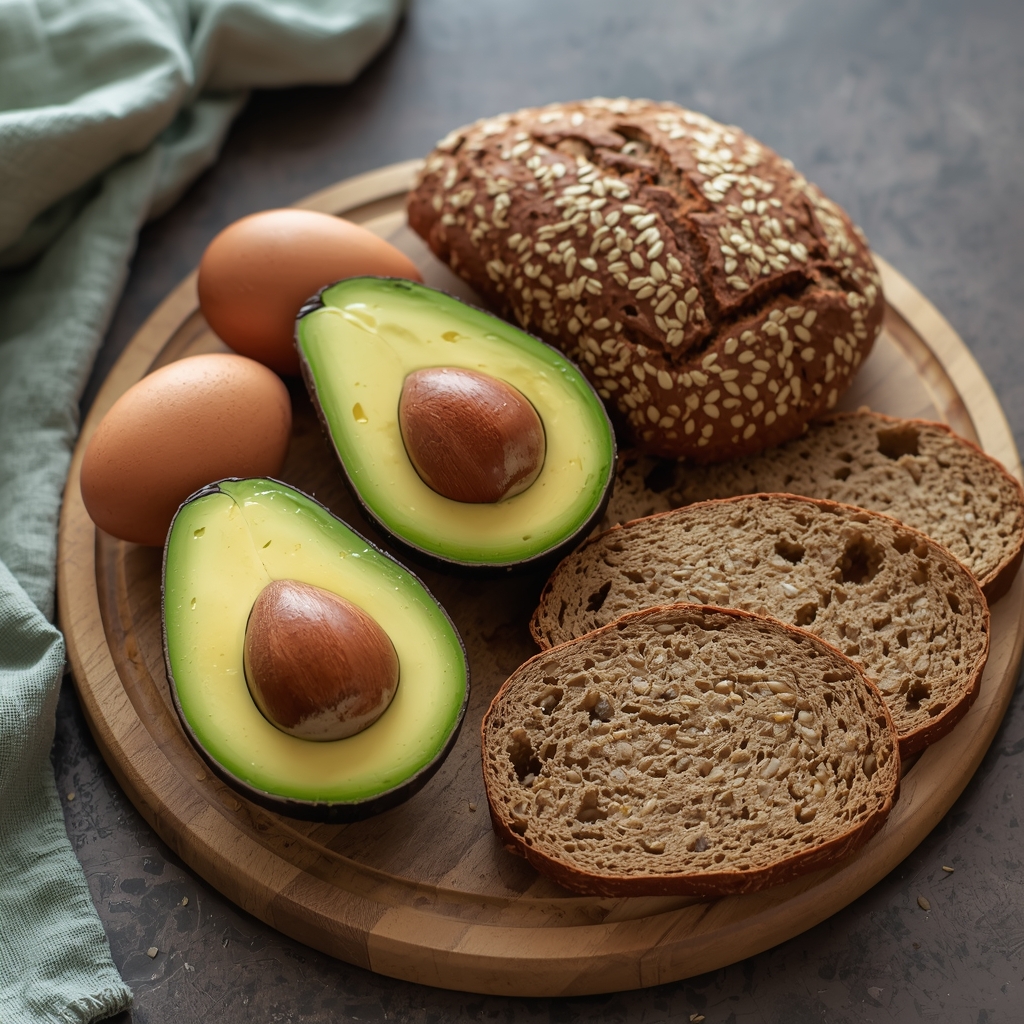
Avocado ripeness dramatically affects both flavor and nutritional value. Underripe avocados taste bitter and refuse to mash smoothly; overripe ones develop brown spots and off-flavors from oxidation. The ideal avocado yields to gentle thumb pressure without mushiness—firm but not hard. Color varies by variety; Hass avocados darken from green to nearly black when ripe, while other varieties remain green. If purchasing unripe avocados, store them at room temperature with bananas or apples, which release ethylene gas that accelerates ripening. Once ripe, refrigeration extends freshness for several days by slowing enzymatic breakdown.
Egg quality presents another consideration worth addressing. While the nutritional differences between conventional and pasture-raised eggs remain modest for basic protein and fat content, pasture-raised eggs consistently show higher levels of omega-3 fatty acids and vitamins A and E when hens consume diverse diets including insects and greens rather than grain-only feeds. The deeper orange yolks characteristic of pasture-raised eggs indicate higher carotenoid content. For most people, these differences represent marginal improvements rather than transformative health impacts, but they accumulate with regular consumption over years. Choose based on budget and values; even conventional eggs provide excellent nutrition at remarkably low cost per gram of protein.
Preparation Techniques for Perfect Results
Execution matters as much as ingredients. Toast the bread until genuinely crisp—not just warm, but golden and crunchy on the surface while maintaining some interior softness. Proper toasting creates textural contrast that prevents the toast from becoming soggy when topped with creamy avocado and runny egg yolk. The Maillard reaction during toasting also develops complex flavors that enhance the overall taste experience beyond simple bread flavor.
Prepare the avocado immediately before assembly to minimize oxidation browning. Halve the avocado lengthwise around the pit, twist the halves apart, and remove the pit by carefully striking it with a knife edge and twisting. Scoop the flesh into a bowl and mash with a fork until smooth but retaining some texture—completely pureed avocado lacks the satisfying mouthfeel of slightly chunky mash. Season with salt, black pepper, and a squeeze of fresh lemon or lime juice. The citrus acid serves two purposes: it brightens the rich avocado flavor and slows oxidative browning by lowering pH.
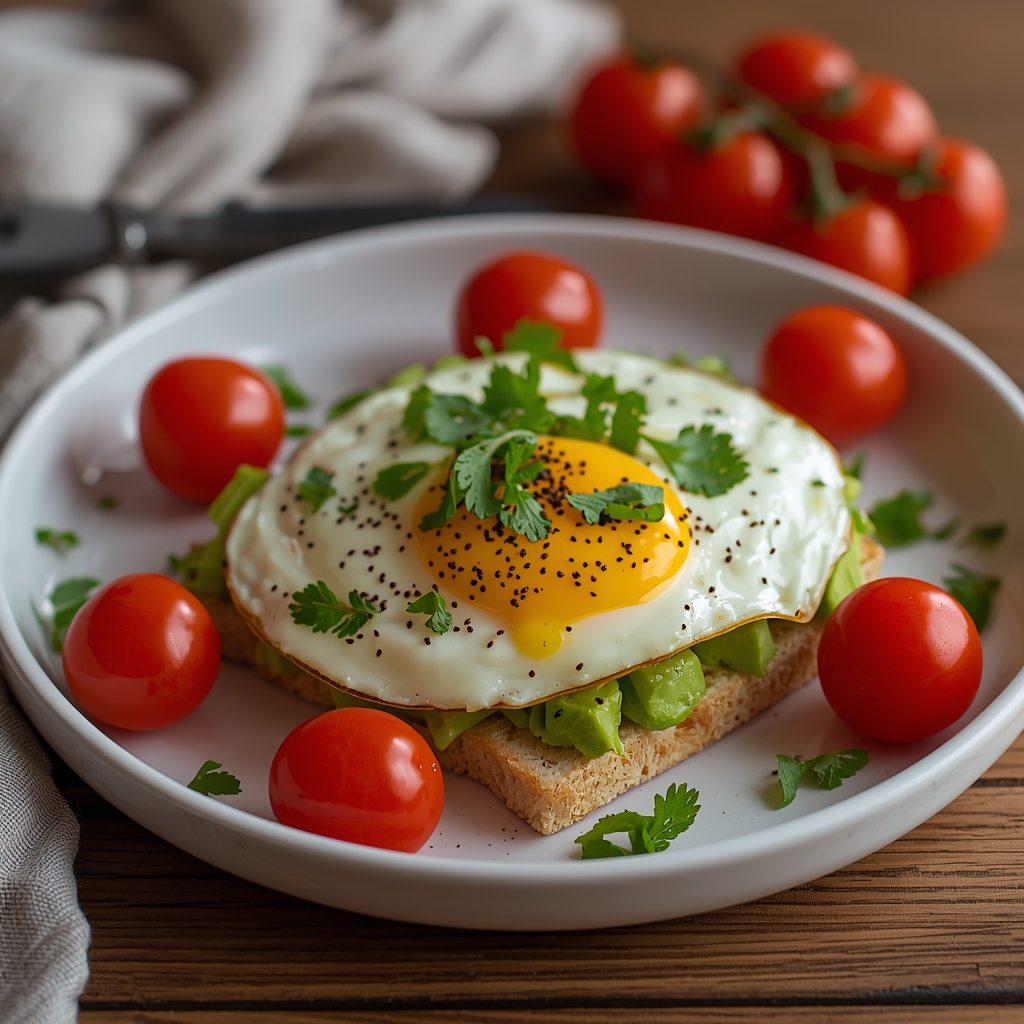
Egg cooking method dramatically alters the final dish character. Poached eggs create silky whites surrounding liquid yolks that flow when broken, coating the avocado and bread with rich creaminess. To poach successfully, bring water to a bare simmer with a splash of vinegar added, create a gentle whirlpool with a spoon, and slide the egg into the vortex center. The swirling water wraps the white around the yolk, creating a neat package in three to four minutes. Fried eggs offer crispy edges if cooked in a small amount of butter or oil over medium-high heat, or tender whites with runny yolks when cooked gently over low heat covered until whites set. Scrambled eggs provide uniform creaminess throughout when cooked slowly over low heat with constant stirring, removed from heat while still slightly wet since residual heat continues cooking.
Assembly order affects the eating experience. Spread mashed avocado generously on hot toast, creating an even layer that extends to the edges. Top with the egg immediately, then finish with additional salt, freshly cracked black pepper, and any desired garnishes. The heat from toast and egg slightly warms the avocado, enhancing its creamy texture and bringing aromatic compounds forward. Eat immediately while textures and temperatures are optimal—this is not a meal that benefits from waiting.
Nutritional Profile and Health Benefits
One serving of whole-grain avocado and egg toast typically provides approximately 400-450 calories, depending on bread size and preparation method. This calorie level supports most people’s breakfast needs while leaving room for balanced meals throughout the day. The macronutrient distribution—roughly 20 grams protein, 25 grams fat, 30 grams carbohydrate—creates the balanced profile that promotes satiety and stable energy. The 8-10 grams of fiber from avocado and whole-grain bread support digestive health, beneficial gut bacteria, and blood sugar regulation while contributing to the meal’s satisfying feeling.
The micronutrient density deserves equal attention. This single meal provides substantial portions of daily requirements for vitamins B12, D, and E; folate; choline; selenium; potassium; and magnesium. Vitamin B12 from eggs supports red blood cell formation and neurological function. Vitamin D, concentrated in egg yolks, supports calcium absorption, immune function, and mood regulation—particularly valuable given widespread deficiency in populations with limited sun exposure. Folate from avocado plays critical roles in DNA synthesis and cell division, making it especially important during pregnancy or for anyone with elevated homocysteine levels. The potassium in avocado exceeds that in bananas, supporting healthy blood pressure through sodium balance and vascular relaxation.
The fat composition warrants specific discussion given persistent confusion about dietary fats. Approximately 75% of avocado’s fat content consists of monounsaturated fatty acids, primarily oleic acid—the same beneficial fat abundant in olive oil and associated with Mediterranean diet health benefits. Research consistently shows that replacing saturated fats with monounsaturated fats improves blood lipid profiles by reducing LDL cholesterol while maintaining or increasing HDL cholesterol. This shift reduces cardiovascular disease risk markers. Eggs contribute both saturated and unsaturated fats along with cholesterol, which for most people does not significantly impact blood cholesterol levels due to compensatory regulation—when dietary cholesterol intake increases, the liver reduces endogenous cholesterol production to maintain balance.
For comprehensive information about avocado nutrition and cardiovascular health benefits, Harvard’s Nutrition Source provides an evidence-based overview of avocado’s unique nutritional properties.
Customization and Variations for Different Goals
The basic template accommodates endless modification to suit preferences, dietary restrictions, or specific nutritional goals. For increased protein—valuable for athletes, older adults, or anyone prioritizing muscle maintenance—add a second egg or include smoked salmon, turkey breast, or a spoonful of cottage cheese alongside the standard egg. Hemp seeds, nutritional yeast, or a sprinkle of cheese contribute additional protein while adding flavor complexity and textural variety.
Lower-carbohydrate versions replace bread with alternatives while maintaining the protein-fat core. Serve the avocado and egg over sautéed spinach, kale, or arugula for a bed that adds micronutrients and volume with minimal calories or carbohydrates. Sweet potato slices, roasted and used as the base, provide complex carbohydrates with different nutrient profiles than grain-based bread—higher in vitamin A and slightly sweeter in flavor. Large mushroom caps, grilled portobello-style, create a savory, low-calorie base with meaty texture and umami depth.
Plant-based adaptations replace the egg while maintaining protein content and satisfying texture. Firm tofu, pressed to remove excess moisture and crumbled, can be scrambled with turmeric for color, nutritional yeast for a savory flavor reminiscent of eggs, and black salt for subtle sulfurous notes that mimic egg taste. Chickpea flour mixed with water creates a batter that cooks into a protein-rich “omelet” without eggs. White beans, mashed and seasoned, provide creamy protein to complement the avocado. These plant-based versions offer complete meals when paired with whole-grain bread, though they require supplemental B12 from fortified foods or supplements since no plant sources provide this essential vitamin.
Flavor enhancement expands the basic recipe into different culinary directions. Mediterranean influence comes from za’atar spice blend, crumbled feta cheese, and sliced tomatoes. Mexican inspiration suggests pico de gallo, jalapeño slices, cotija cheese, and cilantro. Asian fusion incorporates sesame seeds, sriracha, sliced scallions, and a drizzle of soy sauce or tamari. Each variation maintains the core nutritional benefits while preventing flavor fatigue through regular consumption.
Strategic Timing and Meal Planning Integration
When you eat matters almost as much as what you eat for optimizing metabolism, energy, and body composition. Consuming this protein-fat-carbohydrate breakfast within two hours of waking helps regulate circadian rhythms, supports stable blood sugar throughout the morning, and reduces evening overeating compared to skipping breakfast or eating breakfast very late. The substantial protein and fat content makes this meal particularly effective as a first meal after overnight fasting, breaking the fast with nutrients that promote satiety rather than rapid glucose influx that might trigger reactive hypoglycemia.
For people practicing time-restricted eating or intermittent fasting, this meal works effectively as either the first or last meal within the eating window. As a first meal, it provides substantial nutrition that prevents excessive hunger later. As a final meal, the high satiety factor helps prevent evening snacking while the slower digestion provides sustained fullness into the fasting period. The moderate calorie content fits well within most eating windows without dominating daily intake.
Meal prep strategies adapt this breakfast for efficiency during busy weeks. Pre-slice and toast bread, storing it in airtight containers for quick weekday use—simply reheat in a toaster for one minute to restore crispness. Hard-boil eggs in advance, storing them in the refrigerator for quick peeling and slicing when needed. Prepare avocados on demand since they oxidize quickly once cut, though storing them with lemon juice and plastic wrap pressed directly against the cut surface extends freshness for 24 hours. Alternatively, prepare all components fresh each morning since total preparation time rarely exceeds ten minutes once you develop efficient technique.
Common Questions and Practical Concerns
Does avocado toast support weight loss or cause weight gain?
Neither inherently. Avocado toast’s impact on body weight depends entirely on total daily calorie balance. The meal provides approximately 400-450 calories, which fits easily into most weight loss or maintenance calorie targets. The high satiety factor often reduces total daily intake by preventing mid-morning snacking and excessive lunch portions. However, adding large amounts of oil for cooking eggs, cheese, bacon, or other high-calorie toppings can push the meal toward 600-700 calories, making it more challenging to maintain a calorie deficit if weight loss is the goal. For weight management, focus on the basic version with reasonable portions.
Can I eat this breakfast every day?
Yes, daily consumption poses no health concerns and may offer advantages. The consistent protein, healthy fat, and fiber intake supports stable metabolism and hunger regulation. The nutrient density ensures regular intake of vitamins, minerals, and beneficial plant compounds. Some people prefer dietary variety to cover broader nutrient ranges, but rotating different toppings, seasonings, and garnishes on the basic template provides sufficient variation to prevent monotony while maintaining core nutritional benefits. If eating this daily, ensure lunch and dinner provide different protein sources, vegetables, and nutrients to create overall dietary diversity across the full day.
Which egg preparation method is healthiest?
All common cooking methods—poached, boiled, fried, scrambled—preserve egg protein and most micronutrients effectively. The primary difference involves added fat. Poaching and boiling add zero fat; frying adds whatever oil or butter you use for cooking; scrambling typically involves some added fat but less than frying. From a pure nutrition perspective, poaching maximizes nutrient density by avoiding added calories. However, the small amount of fat used in gentle frying or scrambling has minimal impact on overall diet quality. Choose based on preference and total daily fat intake from all sources rather than treating any method as categorically superior.
Should I use whole eggs or just egg whites?
Use whole eggs unless you have specific medical guidance to limit dietary cholesterol or need to reduce calorie intake significantly. Egg yolks contain the majority of eggs’ micronutrients—vitamins A, D, E, K, B12, folate, choline, and antioxidants lutein and zeaxanthin. The cholesterol in egg yolks has minimal impact on blood cholesterol for most people, and recent dietary guidelines no longer recommend restricting dietary cholesterol for healthy individuals. Egg whites provide pure protein with essentially no fat or micronutrients. They’re useful for increasing protein intake without adding calories or fat, but using only whites sacrifices most of eggs’ nutritional value.
How can I prevent avocado from browning?
Oxidation causes browning when cut avocado flesh contacts air. Minimize this through several strategies. Add lemon or lime juice immediately after mashing—citric acid lowers pH, slowing enzymatic browning. Store cut avocado with plastic wrap pressed directly against the flesh to exclude air. Keep the pit in unused halves; while this doesn’t prevent browning through any special property of the pit, the covered area simply hasn’t been exposed to air. Use avocado soon after cutting; browning is inevitable with extended storage but takes hours rather than minutes to become significant. Surface browning doesn’t indicate spoilage; simply scrape away the discolored layer to reveal green flesh beneath.
Is this breakfast suitable for people with diabetes?
Yes, with appropriate portion awareness. The combination of protein, fat, and fiber significantly moderates the blood glucose response compared to carbohydrate-only meals. Whole-grain bread has a lower glycemic index than refined white bread, releasing glucose more gradually. The fat and fiber further slow carbohydrate absorption. However, portion size matters—one slice of whole-grain bread contains 15-20 grams of carbohydrates, which must fit within an individual’s carbohydrate targets for the meal. People with diabetes should monitor their blood glucose response after eating this breakfast to understand their personal reaction and adjust portion sizes accordingly. Replacing bread with lower-carbohydrate alternatives like vegetables creates an even more diabetes-friendly version.
Can children eat this breakfast?
Absolutely. Children benefit from the protein, healthy fats, and complex carbohydrates that support growth, development, and sustained energy for school activities. The nutrient density provides vitamins and minerals crucial during growth periods. Some children prefer scrambled eggs over runny preparations; accommodate their preferences while maintaining the basic nutritional template. Adjust portion sizes to match children’s smaller calorie needs—a half or whole slice of toast depending on age rather than two slices. Involve children in safe preparation steps like mashing avocado to build cooking skills and increase their investment in eating the meal.
How does this compare to other popular breakfasts nutritionally?
Avocado and egg toast significantly outperforms many conventional breakfast options in satiety, nutrient density, and blood sugar stability. Compared to cereal with milk, it provides far more protein, healthy fats, and micronutrients with better appetite control. Compared to a bagel with cream cheese, it offers superior fiber, vitamins, and more balanced macronutrients. Compared to a pastry or muffin, it provides actual nutrition rather than primarily refined flour and sugar. It compares favorably to Greek yogurt with fruit—both offer good protein and can be excellent breakfasts, though the toast provides more sustained energy from the fat and complex carbohydrates. The closest nutritional equivalent might be a vegetable omelet with whole-grain toast, which offers similar benefits with slightly different micronutrient profiles.
This whole-grain avocado and egg toast represents more than a breakfast trend—it exemplifies sound nutritional principles applied to real-world eating. The combination provides balanced macronutrients that support stable energy and appetite regulation, micronutrient density that contributes to long-term health, and enough flavor satisfaction to make daily consumption genuinely appealing rather than merely tolerable. In our collection of nutrient-dense recipes, this breakfast stands out for its remarkable efficiency: substantial nutrition requiring minimal time, skill, or specialty ingredients. Whether you prepare it five days weekly or incorporate it occasionally between other options, this meal delivers consistent benefits worth the modest effort it requires.
