
Introduction: The Salad That Satisfies
Most salads leave you hungry an hour later, searching the cupboards for something more substantial. They’re often relegated to side dish status or sad desk lunches—lettuce, a few vegetables, maybe some dressing. Nutritionally sound perhaps, but rarely satisfying as a complete meal.
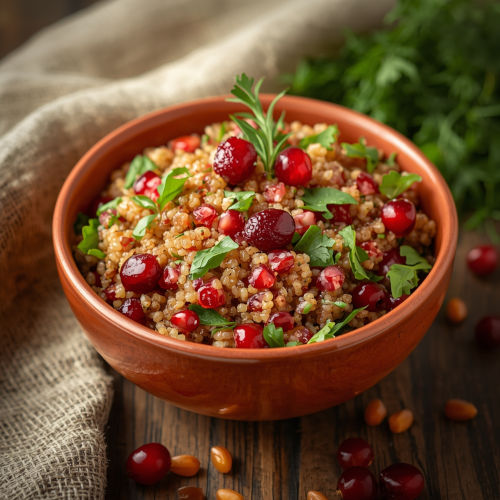
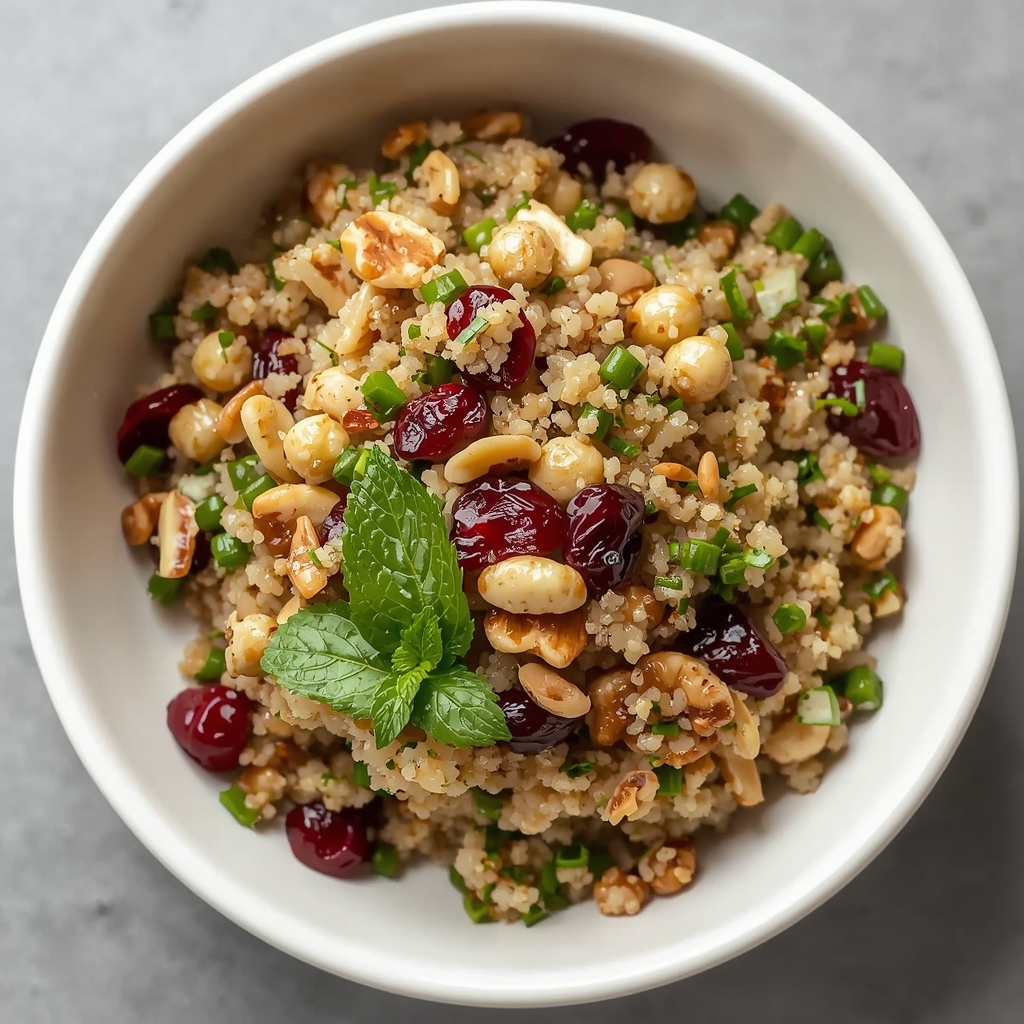
This warm quinoa salad changes that equation entirely. It’s hearty enough to serve as a main course yet light enough that you won’t feel weighed down. The fluffy quinoa provides plant-based protein and complex carbohydrates. Dried cranberries add sweet-tart bursts. Fresh herbs bring brightness. Nuts contribute satisfying crunch. A simple lemon vinaigrette ties everything together.
What makes this salad special is its versatility. Serve it warm for cozy autumn and winter meals, or let it cool to room temperature for summer gatherings. It works as a vegetarian main dish, an elegant side for roasted chicken or fish, or a make-ahead lunch option that actually improves as flavors meld. It’s naturally gluten-free, easily made vegan, and adaptable to whatever vegetables and nuts you have on hand.
Most importantly, it tastes genuinely delicious—not like “health food” but like food that happens to be healthy. The kind of dish that makes you feel good while eating it and even better after, knowing you’ve nourished your body with whole, nutrient-dense ingredients.
For more wholesome salad recipes, explore our healthy recipes collection featuring seasonal, satisfying dishes.
Why This Recipe Works
Quinoa as the Foundation
Quinoa isn’t just trendy—it’s genuinely exceptional:
Complete protein: Unlike most plant foods, quinoa contains all nine essential amino acids, making it a complete protein. One cup cooked provides about 8 grams of protein—more than most grains.
Satisfying texture: When cooked properly, quinoa has a pleasant, slightly nutty flavor and fluffy texture with a subtle crunch from the germ ring. It’s far more interesting than rice or pasta.
Nutrient density: Rich in fiber, iron, magnesium, manganese, and B vitamins. It’s one of the most nutritious grains (technically a seed) you can eat.
Naturally gluten-free: Safe for people with celiac disease or gluten sensitivity.
Versatile canvas: Quinoa’s mild flavor absorbs dressings beautifully and pairs well with virtually any vegetables, fruits, nuts, or proteins.
The Flavor Balance
This salad achieves harmony through contrasting elements:
Sweet + Tart: Dried cranberries provide both sweetness and acidity. Their chewy texture contrasts with fluffy quinoa.
Fresh + Earthy: Fresh herbs (parsley, mint, cilantro—your choice) brighten the earthy quinoa and add aromatic complexity.
Soft + Crunchy: Toasted nuts or seeds add essential textural contrast to tender quinoa and soft dried fruit.
Rich + Bright: Olive oil in the dressing provides richness while lemon juice cuts through with acidity, preventing the salad from feeling heavy.
Warm + Cool: Serving the salad warm (or room temperature) with cool, crisp vegetables creates temperature contrast that’s more interesting than cold salad alone.
Ingredients You’ll Need
For the Quinoa Base (Serves 6-8)
- 1.5 cups uncooked quinoa: White, red, or tri-color—any variety works. Rinse thoroughly before cooking to remove bitter saponins.
- 3 cups vegetable or chicken broth: Using broth instead of water adds significant flavor. Low-sodium preferred so you control salt levels.
- 1/2 teaspoon salt: If using unsalted broth. Omit if broth is already salted.
For the Salad Mix-ins
- 3/4 cup dried cranberries: Sweetened or unsweetened depending on preference. Can substitute dried cherries, chopped apricots, or golden raisins.
- 1 cup chopped fresh herbs: Parsley is classic; mint adds refreshing coolness; cilantro brings brightness; basil works in summer. Use one herb or a combination.
- 3/4 cup toasted nuts: Slivered almonds, chopped pecans, walnuts, or pistachios. Pine nuts are luxurious but pricey. Pumpkin seeds work for nut-free version.
- 1/2 cup crumbled feta cheese (optional): Adds salty, creamy tang. Omit for vegan version or substitute with toasted sunflower seeds.
- 4 cups fresh vegetables (optional but recommended): Diced cucumber, halved cherry tomatoes, diced bell peppers, thinly sliced radishes, or baby spinach. Choose 2-3 types for variety.
- 4 green onions, thinly sliced: Adds mild onion flavor and color. Can substitute with 1/4 cup finely diced red onion.
For the Lemon Vinaigrette
- 1/3 cup extra virgin olive oil: Use quality olive oil—its flavor is prominent here.
- 1/4 cup fresh lemon juice: From about 2 lemons. Freshly squeezed is essential—bottled lemon juice tastes harsh.
- 1 tablespoon honey or maple syrup: Balances lemon’s acidity. Use maple for vegan version.
- 1 teaspoon Dijon mustard: Helps emulsify dressing and adds depth.
- 2 cloves garlic, minced: For those who love garlic. Start with 1 clove if unsure.
- 1/2 teaspoon salt: Or to taste.
- 1/4 teaspoon black pepper: Freshly ground preferred.
Step-by-Step Instructions
Cook the Quinoa Perfectly
- Rinse quinoa thoroughly: Place quinoa in fine-mesh strainer and rinse under cold water for 30-60 seconds, agitating with your hand. This removes saponins (natural coating that tastes bitter). Many packages say “pre-rinsed” but rinse anyway—it makes a noticeable difference.
- Combine quinoa and liquid: In medium saucepan, combine rinsed quinoa, broth, and salt (if using). The ratio is 1 part quinoa to 2 parts liquid.
- Bring to boil: Bring mixture to boil over high heat, uncovered.
- Reduce and simmer: Once boiling, reduce heat to low, cover with tight-fitting lid, and simmer 15 minutes. Don’t lift the lid—quinoa steams as much as it simmers.
- Let rest: After 15 minutes, remove from heat but keep covered. Let rest 5 minutes. This allows quinoa to absorb any remaining liquid and ensures fluffy texture.
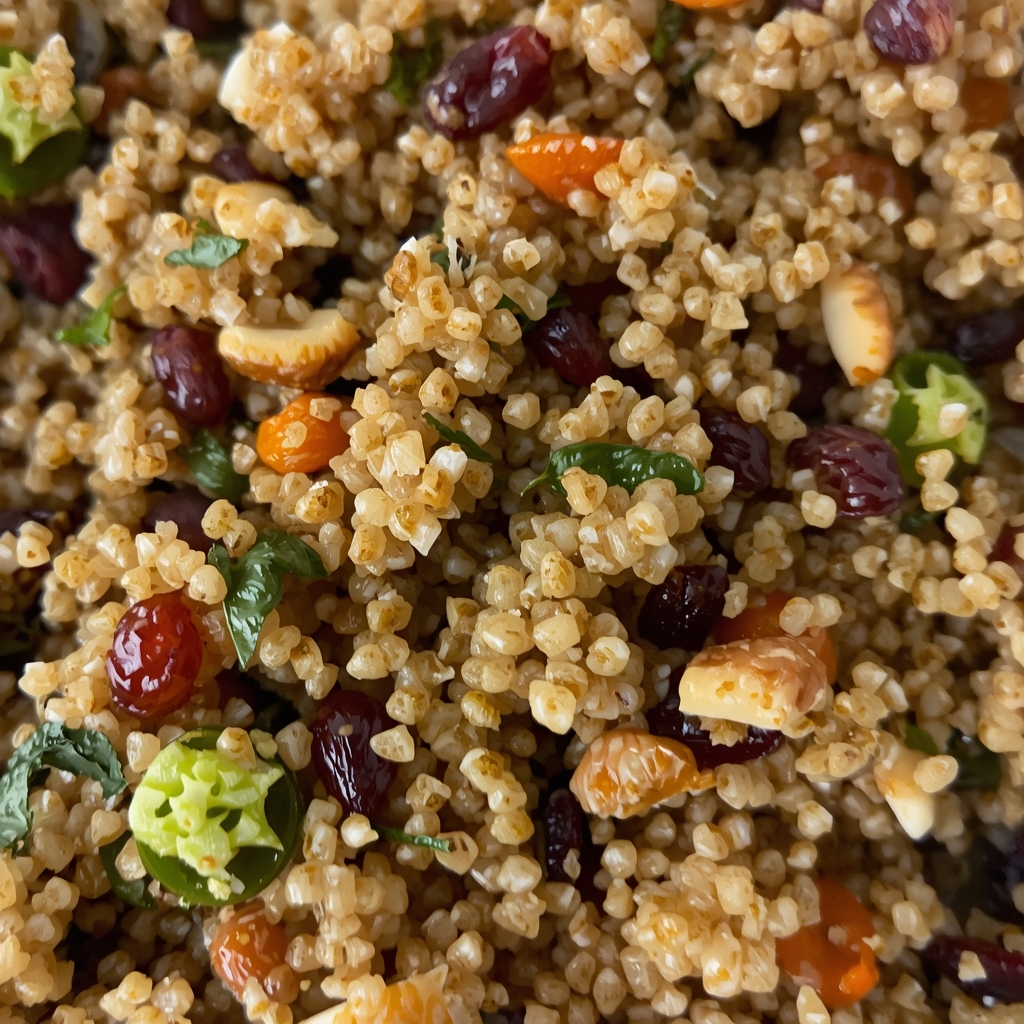
- Fluff with fork: Uncover and fluff gently with fork, separating grains. Quinoa should be tender but still have slight texture—not mushy. You’ll see the little germ rings separated from the seeds.
- Cool slightly if needed: For warm salad, use quinoa immediately. For room temperature salad, spread on baking sheet to cool for 10-15 minutes. This prevents wilting delicate ingredients.
Toast the Nuts
While quinoa cooks, toast your nuts:
- Dry pan method: Place nuts in dry skillet over medium heat. Stir frequently for 3-5 minutes until fragrant and lightly golden. Watch carefully—they can burn quickly.
- Oven method: Spread nuts on baking sheet and toast at 350°F (175°C) for 5-7 minutes, shaking pan halfway through.
- Cool completely: Transfer to plate immediately to stop cooking. Let cool before adding to salad.
Make the Dressing
- Combine in jar: Place olive oil, lemon juice, honey, Dijon mustard, minced garlic, salt, and pepper in jar with tight-fitting lid.
- Shake vigorously: Seal jar and shake for 30-60 seconds until dressing is emulsified and looks creamy rather than separated.
- Alternative method: Whisk ingredients together in small bowl. The jar method is easier and requires less cleanup.
- Taste and adjust: Dressings are personal. Need more acid? Add lemon. Too tart? Add more honey. Too sharp? Add a bit more oil. Adjust to your preference.
Assemble the Salad
- Combine quinoa and dried fruit: In large serving bowl, combine warm (or cooled) quinoa with dried cranberries. The warmth will slightly soften the cranberries.
- Add vegetables: If using fresh vegetables like cucumber, tomatoes, or peppers, add them now.
- Pour dressing: Pour about 3/4 of the dressing over quinoa mixture. Toss gently but thoroughly to combine. Reserve remaining dressing.
- Add herbs and green onions: Add chopped fresh herbs and sliced green onions. Toss again gently.
- Add nuts and cheese: Sprinkle toasted nuts and crumbled feta (if using) over the top. You can toss these in or leave them mostly on top for visual appeal.
- Final taste test: Taste the salad. Does it need more dressing? More salt? A squeeze of lemon? Adjust now.
- Serve: Serve warm, at room temperature, or chilled. Each temperature offers different appeal.
Tips for Success
Perfecting Quinoa Texture
Don’t skip rinsing: Even pre-rinsed quinoa benefits from additional rinsing. It removes bitterness that can ruin the dish.
Use the right ratio: 1 part quinoa to 2 parts liquid. Too much liquid creates mushy quinoa; too little leaves it crunchy.
Don’t over-stir: Quinoa doesn’t need stirring while cooking. Stirring releases starch and creates gummy texture.
Let it rest: The 5-minute rest after cooking is crucial. It allows excess moisture to absorb and ensures fluffy grains.
Fluff, don’t stir: Use fork to gently fluff quinoa, lifting and separating. Stirring with spoon can make it mushy.
Building Flavor Depth
Use broth, not water: This single change dramatically improves flavor. Homemade broth is ideal, but quality store-bought works well.
Season at multiple stages: Salt the cooking liquid, season the dressing, and adjust at the end. Layering seasoning creates complex flavor.
Toast nuts properly: Raw nuts are bland. Toasting releases oils and develops nutty flavor that’s essential to this salad.
Use fresh herbs generously: Don’t be timid. A full cup of herbs isn’t too much—it’s what makes the salad vibrant.
Fresh lemon juice matters: Bottled lemon juice has a harsh, chemical taste. Fresh-squeezed is worth the minimal effort.
Make-Ahead and Storage
Prep components separately: Cook quinoa, make dressing, toast nuts, and chop vegetables up to 3 days ahead. Store separately and assemble before serving.
Dress just before serving: For best texture, add dressing shortly before serving. Pre-dressed salad can become soggy over time.
Store properly: Refrigerate assembled salad in airtight container up to 4 days. The flavors actually improve as they meld.
Refresh before serving: If salad has been refrigerated, let come to room temperature for 30 minutes. Add a squeeze of fresh lemon and drizzle of olive oil to refresh.
Variations and Adaptations
Seasonal Variations
Spring: Use asparagus, peas, fresh dill, mint, and lemon zest. Add crumbled goat cheese.
Summer: Add corn, cherry tomatoes, basil, and diced avocado. Use lime juice instead of lemon.
Fall: Mix in roasted butternut squash, dried cranberries (as written), toasted pecans, and sage. Add a drizzle of balsamic reduction.
Winter: Include pomegranate arils, roasted Brussels sprouts, walnuts, and parsley. Add orange segments for brightness.
Protein Additions
Transform this into a heartier main course:
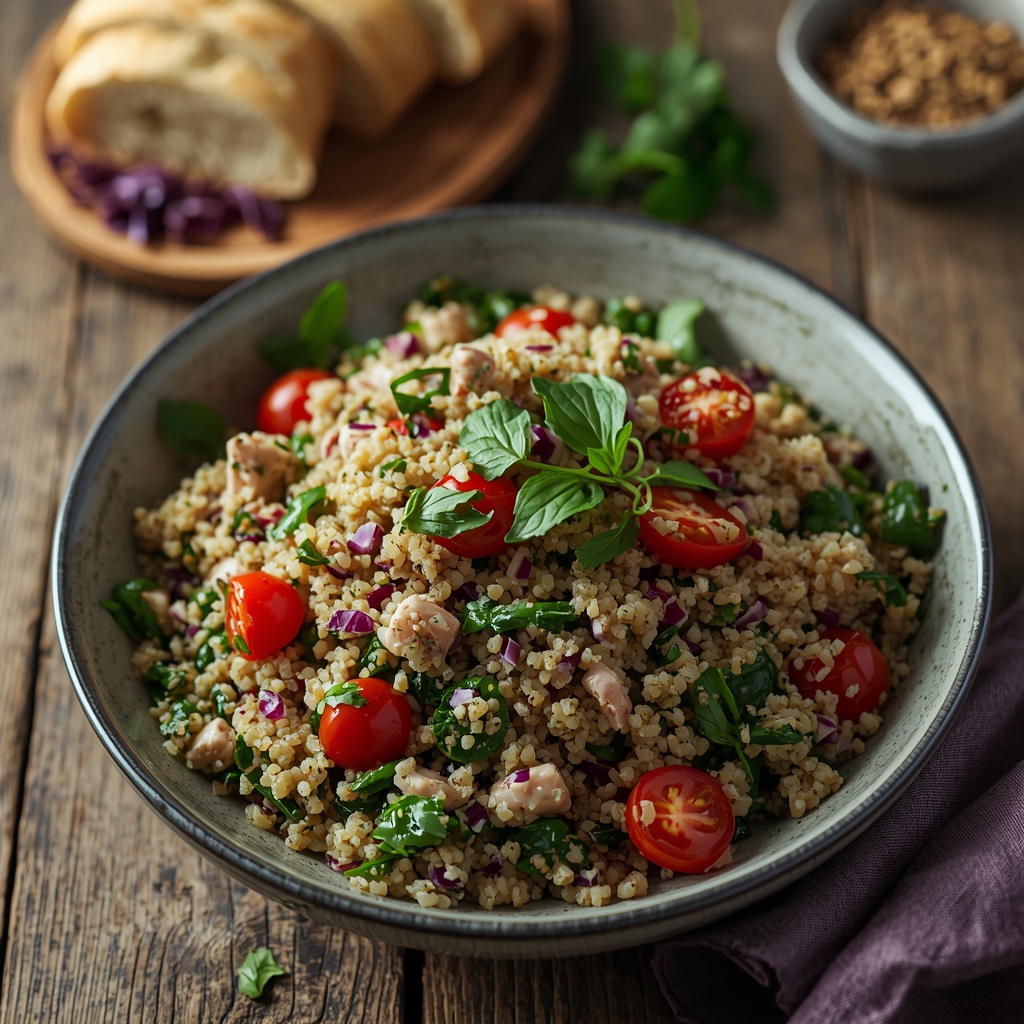
- Grilled chicken: Diced or sliced grilled chicken breast
- Chickpeas: One can, drained and rinsed, for plant-based protein boost
- Grilled shrimp: Especially good with lemon and herbs
- Hard-boiled eggs: Quartered or chopped
- Smoked salmon: For elegant brunch option
- Grilled tofu or tempeh: For vegan protein
Dietary Modifications
Vegan: Use vegetable broth, maple syrup instead of honey, omit feta or use vegan feta alternative.
Nut-free: Replace nuts with toasted sunflower seeds or pumpkin seeds (pepitas).
Lower-carb: Replace half the quinoa with riced cauliflower for lower carbohydrate content while maintaining volume.
Grain-free: Substitute quinoa entirely with cauliflower rice (though this changes the protein content significantly).
Budget-friendly: Skip feta, use all parsley (cheaper than mixed herbs), and use whatever nuts are on sale or already in your pantry.
Nutritional Benefits
Quinoa Nutrition Powerhouse
One cup cooked quinoa provides:
- 8 grams complete protein (all essential amino acids)
- 5 grams fiber
- 15% daily iron (more than most grains)
- 30% daily manganese
- 19% daily folate
- 13% daily magnesium
- Only 222 calories
- Naturally gluten-free
This Salad’s Complete Nutrition
Per serving (as a side, about 1 cup):
- Approximately 280-320 calories
- 7-8g protein (10-12g with feta)
- 12-14g healthy fats (from nuts, olive oil, optional feta)
- 38-42g carbohydrates
- 6-7g fiber
- Rich in vitamins C, K, and B-complex
- Good source of iron, magnesium, and antioxidants
This is a nutritionally complete dish—protein, healthy fats, complex carbs, fiber, vitamins, and minerals all in one bowl.
Serving Suggestions
As a Main Course
Serve generous portions (1.5-2 cups) with:
- Crusty whole grain bread
- Simple green salad on the side
- Soup for more substantial meal (tomato bisque, butternut squash, or lentil soup pair well)
As a Side Dish
Pairs beautifully with:
- Roasted chicken or turkey: The herbs echo poultry seasoning
- Grilled fish: Especially salmon, which loves lemon and herbs
- Lamb: Mint version particularly good with grilled lamb
- Pork tenderloin: The sweet-tart cranberries complement pork
For Gatherings
This salad excels at potlucks, picnics, and holiday meals:
- Travels well in covered container
- Doesn’t require refrigeration for a few hours
- Can be made entirely ahead
- Scales easily for crowds
- Accommodates many dietary restrictions
- Looks beautiful on buffet table
Storage and Meal Prep
Refrigerator Storage
Fully assembled salad: Store in airtight container up to 4 days. Texture is best first 2 days, but it remains perfectly edible and tasty through day 4.
Components separately: Store cooked quinoa, dressing, chopped vegetables, and toasted nuts in separate containers up to 5 days. Assemble individual portions as needed.
Freezing
Quinoa alone: Plain cooked quinoa freezes beautifully for up to 3 months. Portion into containers or freezer bags. Thaw overnight in refrigerator or microwave from frozen.
Complete salad: Not recommended. Fresh vegetables, herbs, and nuts don’t freeze well. The texture deteriorates significantly.
Meal Prep Strategy
For easy weekday lunches:
- Sunday: Cook quinoa, make dressing, toast nuts, chop vegetables
- Monday-Friday: Assemble individual portions in containers. Pack dressing separately if preferred.
- At lunch: Eat cold, room temperature, or microwave 1-2 minutes if you prefer warm.
Frequently Asked Questions
Can I use other grains instead of quinoa?
Yes. Farro, brown rice, wild rice, or couscous all work. Cooking times vary—check package instructions. Note that most alternatives aren’t complete proteins like quinoa.
My quinoa tastes bitter. What went wrong?
You didn’t rinse it enough. Quinoa has a natural coating called saponin that tastes bitter and soapy. Rinse thoroughly under cold water for at least 30 seconds, even if package says pre-rinsed.
Can I make this salad completely in advance?
Absolutely. It’s actually one of the few salads that improves with time as flavors meld. Make up to 2 days ahead. The only component that may suffer is fresh herbs, which can darken slightly.
Is this salad filling enough as a main course?
Yes, for most people. Quinoa is quite filling due to protein and fiber. If you need more substance, add protein (chicken, chickpeas, eggs) or serve with bread and soup.
Can I serve this hot?
Yes. While called “warm” salad, you can serve it fully hot if you prefer. Just assemble while quinoa is still steaming and serve immediately.
Why is my quinoa mushy?
Too much liquid, overcooked, or stirred during cooking. Use 2:1 liquid ratio, cook only 15 minutes, and don’t stir while cooking. Let rest covered for 5 minutes, then fluff with fork.
Conclusion: The Salad That Does It All
This warm quinoa salad proves that healthy eating doesn’t require sacrifice. It’s satisfying without being heavy, nutritious without tasting like health food, beautiful without being fussy, and versatile enough to work year-round.
The combination of fluffy protein-rich quinoa, sweet-tart cranberries, fresh herbs, crunchy nuts, and bright lemon dressing creates a dish that’s genuinely crave-worthy. It’s the kind of salad you’ll make again and again—for meal prep Sundays, weeknight dinners, potluck contributions, or holiday tables.
Most importantly, it nourishes your body with whole, minimally processed ingredients while delighting your taste buds. It proves that the healthiest foods can also be the most delicious—when prepared with care and the right balance of flavors.
Here’s to salads that satisfy, to quinoa done right, and to proving that nutritious meals can be every bit as exciting and delicious as indulgent ones. 🥗🌿✨
You can also read about 8 Evidence-Based Health Benefits of Quinoa on Healthline.
For more wholesome, satisfying salad recipes, explore our complete recipe collection featuring seasonal ingredients and balanced nutrition.