

Roasted Maple Sweet Potato Purée | Healthy Thanksgiving Side Dish | Bona Sanitas


Roasted Maple Sweet Potato Purée: A Healthy Thanksgiving Side Dish
Few ingredients capture the essence of fall as fully as the sweet potato. Earthy yet sweet, deeply satisfying yet light on the body, it is one of nature’s most complete comfort foods. This roasted maple sweet potato purée draws out every dimension of this remarkable root vegetable: caramelized edges that develop in a hot oven, a velvety texture that rewards patience, and warm seasonal aromas that fill the kitchen with something close to joy.
What sets this recipe apart from traditional Thanksgiving sweet potato dishes is its commitment to wholesome simplicity. No marshmallow topping. No heavy cream or refined sugar. Just the natural sweetness of roasted sweet potatoes, a drizzle of pure maple syrup, a whisper of cinnamon, and good-quality oil — ingredients that work with the body rather than against it. This recipe is part of our healthy recipes collection, where every dish is designed to taste indulgent while genuinely nourishing.
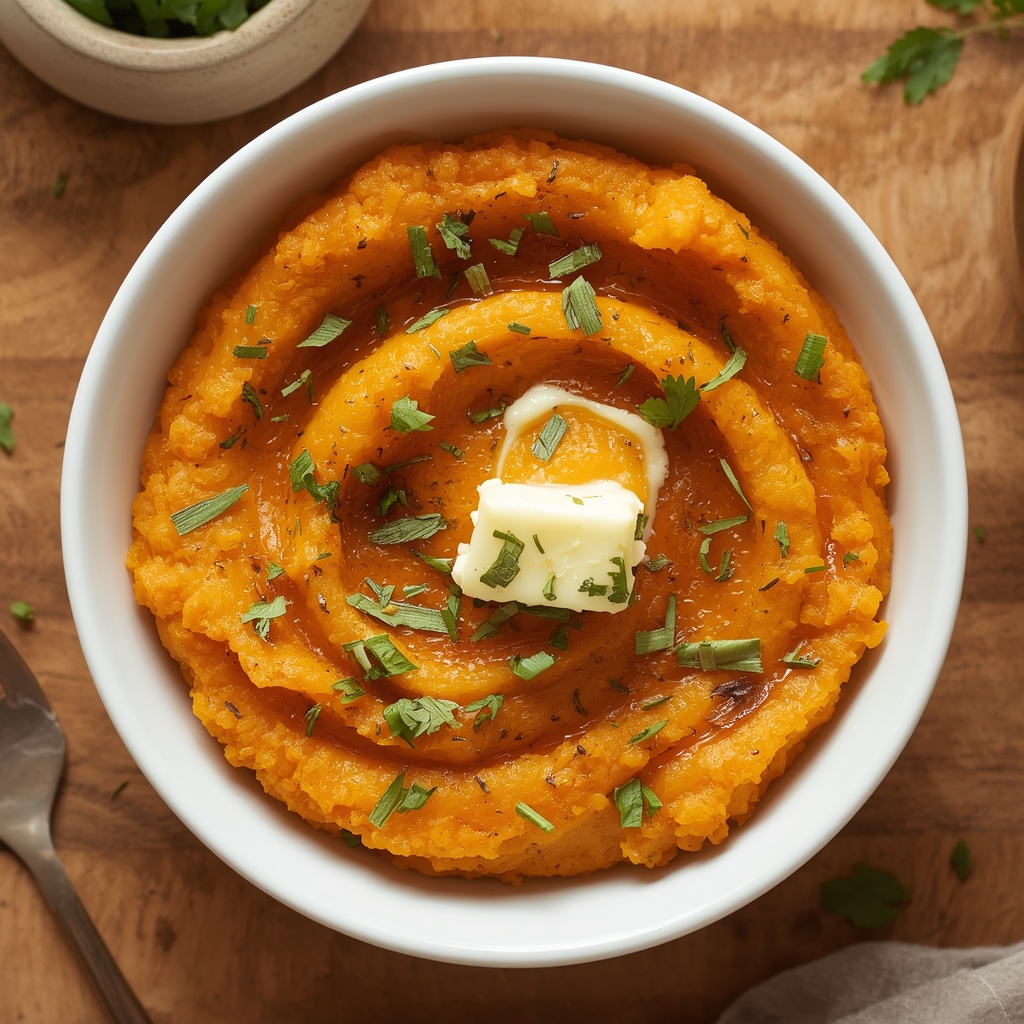
Whether you are planning a Thanksgiving feast or simply looking for a warming weeknight side dish, this purée delivers on every level. It pairs beautifully with roasted turkey, glazed salmon, lentil loaf, or a festive grain salad. It reheats flawlessly and actually improves in flavor overnight, making it an ideal make-ahead dish for busy holiday schedules.
Why Sweet Potatoes Are a Nutritional Powerhouse
Sweet potatoes have earned their place among the world’s most celebrated health foods, and for good reason. A single medium sweet potato delivers a dense concentration of vitamins, minerals, and fiber that few vegetables can match. Understanding what makes them so remarkable helps explain why this simple purée feels so satisfying — and why your body responds so well to it.
The deep orange color of sweet potato flesh is a direct signal of its extraordinarily high beta-carotene content. Beta-carotene is a fat-soluble antioxidant that the body converts to vitamin A, a nutrient essential for vision, skin integrity, immune defense, and cellular repair. According to Harvard T.H. Chan School of Public Health, just one medium sweet potato can provide more than 100% of the daily recommended intake of vitamin A — making it one of the richest dietary sources available.
Beyond vitamin A, sweet potatoes are an excellent source of vitamin C, potassium, manganese, and B vitamins including B6, which plays a key role in mood regulation by supporting the synthesis of serotonin and dopamine. Their natural sugars are bound within a dense matrix of fiber, which slows digestion and produces a gradual, sustained rise in blood glucose — rather than the sharp spike-and-crash pattern associated with refined carbohydrates. This makes sweet potatoes an ideal energy food for active days, holiday gatherings, and anyone managing blood sugar levels.
The fiber content also feeds beneficial gut bacteria, supporting the gut microbiome that researchers increasingly link to immune function, mental health, and systemic inflammation. Sweet potatoes contain both soluble and insoluble fiber, giving them a dual role in digestive support.
The Case for Roasting Over Boiling
The method of preparation matters enormously with sweet potatoes. While boiling is common and convenient, roasting at high heat produces a fundamentally different — and far more flavorful — result. When sweet potato pieces hit a hot oven, several important transformations take place simultaneously.
The Maillard reaction — the same browning process responsible for the crust on bread and the sear on meat — creates hundreds of new flavor compounds on the caramelized edges of roasted sweet potato. These golden-brown surfaces deliver a depth and complexity that boiling simply cannot produce. At the same time, the natural sugars concentrate as moisture evaporates, intensifying the sweetness without any added sugar.
Roasting also preserves more of the potato’s nutritional value. Water-soluble vitamins like vitamin C and B vitamins can leach significantly into cooking water during boiling, whereas dry-heat roasting keeps those nutrients within the flesh. The addition of a small amount of healthy fat — olive oil or coconut oil in this recipe — further enhances the bioavailability of beta-carotene, which is fat-soluble and absorbed much more efficiently when consumed alongside dietary fat.
For all these reasons, this recipe begins with the oven. The 30 to 40 minutes of roasting time is not merely a cooking step — it is the moment when ordinary sweet potatoes become something extraordinary.
Ingredients
For 4 servings:
- 3 large sweet potatoes, peeled and cut into even chunks
- 2–3 tablespoons pure maple syrup
- 1–2 tablespoons olive oil or melted coconut oil
- 1/2 teaspoon ground cinnamon
- 1/4 teaspoon ground nutmeg (optional)
- Sea salt, to taste
- Freshly ground black pepper, to taste
- 2–4 tablespoons warm water, whole milk, or unsweetened plant-based milk (for texture adjustment)
Preparation
Step-by-step instructions:
- Preheat: Set your oven to 400°F (200°C). A hot oven is essential for proper caramelization — do not rush this step with a lower temperature.
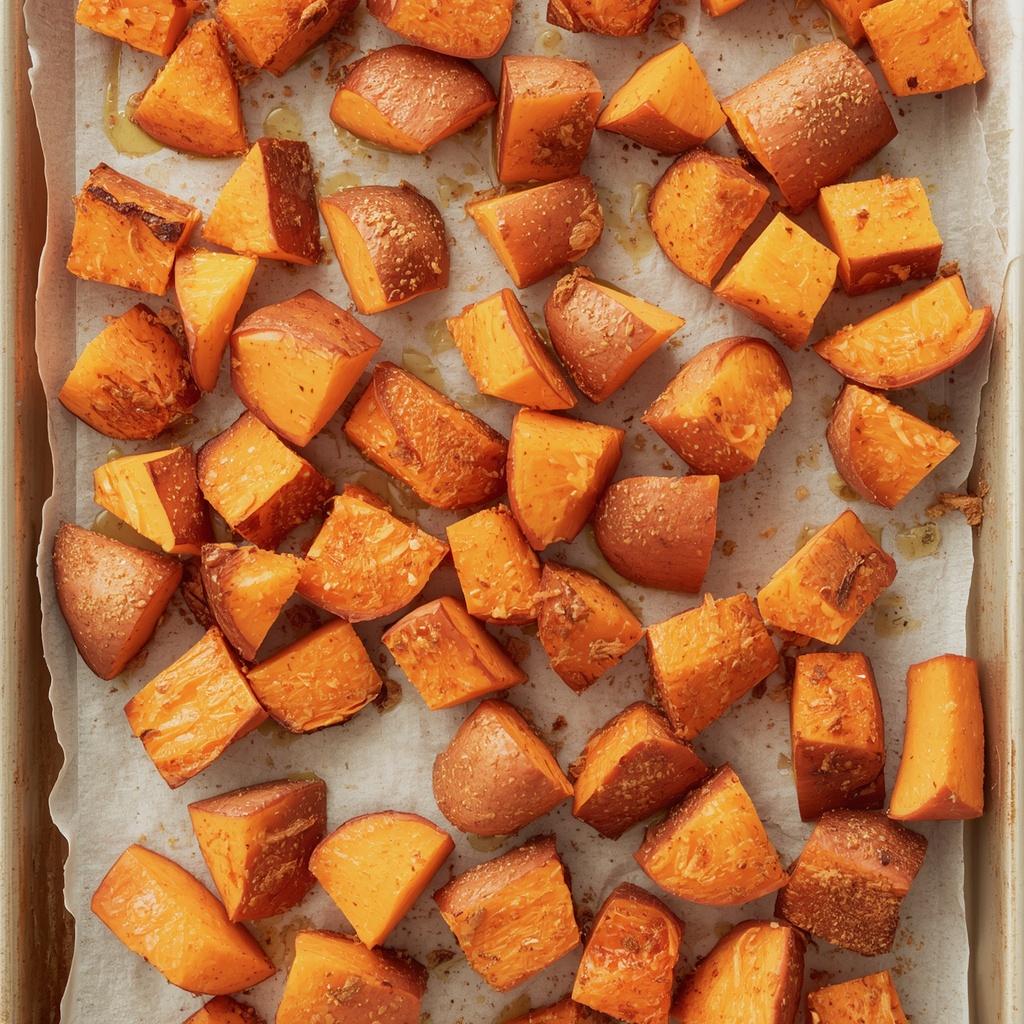
- Prepare: Peel the sweet potatoes and cut them into roughly equal chunks, approximately 1.5 inches per piece. Uniform sizing ensures even roasting and prevents some pieces from burning while others remain undercooked.
- Season: Place the sweet potato chunks in a large mixing bowl. Add the maple syrup, olive oil, ground cinnamon, nutmeg if using, sea salt, and black pepper. Toss thoroughly until every piece is evenly coated.
- Arrange: Spread the seasoned chunks across a parchment-lined baking sheet in a single layer, leaving space between pieces. Crowding the pan causes steaming instead of roasting and prevents caramelization.
- Roast: Place in the preheated oven and roast for 30 to 40 minutes, flipping the pieces once at the midpoint. They are ready when the edges are golden and caramelized and the flesh is completely soft when pierced with a fork.
- Rest: Remove from the oven and allow the sweet potatoes to cool for 3 to 5 minutes. This brief resting period helps the flavors settle and makes handling easier.
- Purée: Transfer the roasted sweet potatoes to a high-speed blender or food processor, or use an immersion blender directly in a large bowl. Process until smooth, adding warm liquid one tablespoon at a time until the desired creaminess is achieved.
- Adjust: Taste the purée and fine-tune the seasoning. A touch more maple syrup, a pinch of cinnamon, or a little extra salt can elevate the final result significantly. Serve immediately or transfer to a covered container for reheating.
Total time: 45–50 minutes (10 minutes preparation + 35–40 minutes roasting)
Nutritional Benefits of This Purée
This recipe is a genuine nutritional investment, not just a seasonal indulgence. Each serving delivers a concentrated range of micronutrients that support several key systems in the body. The following breakdown highlights the primary health contributions of the main ingredients.
Sweet potatoes contribute vitamin A, vitamin C, potassium, manganese, vitamin B6, and dietary fiber. The combination of potassium and fiber is particularly beneficial for cardiovascular health — potassium helps regulate blood pressure by counteracting the effects of sodium, while fiber contributes to healthy cholesterol management. A review published by the nutrition research team at Healthline highlights that the antioxidant content of sweet potatoes — particularly beta-carotene and anthocyanins — may help reduce oxidative stress and lower the risk of chronic disease over time.
Pure maple syrup, used in modest amounts here, is not simply a sweetener. It contains small quantities of zinc, manganese, and polyphenol antioxidants. Unlike refined white sugar or high-fructose corn syrup, it retains some of the nutritional complexity of its plant origin. Used judiciously, it adds sweetness with a slightly lower glycemic impact than table sugar.
Cinnamon is one of the most studied culinary spices in nutritional science. Research has explored its potential role in supporting insulin sensitivity and blood glucose regulation, making it a thoughtful addition to any dish featuring natural sugars. Olive oil, meanwhile, provides heart-healthy monounsaturated fats and polyphenol antioxidants, and critically improves the absorption of the fat-soluble beta-carotene from the sweet potatoes.
Variations and Customization
One of the most appealing qualities of this purée is its adaptability. The core recipe is a foundation that welcomes personalization based on your taste preferences, dietary needs, or what is available in your pantry.
For a more savory profile, reduce the maple syrup by half and add a clove of roasted garlic, a pinch of smoked paprika, or fresh thyme to the blending stage. This savory variation pairs exceptionally well with roasted meats and works beautifully as a base for poached eggs at brunch.
For extra creaminess without dairy, add two to three tablespoons of full-fat coconut milk during blending. The coconut adds a subtle richness that complements the sweetness of the potato beautifully. For a citrus note, a squeeze of fresh orange juice or a small amount of orange zest stirred in at the end brightens the entire dish and adds a layer of complexity that guests often find surprising and delightful.
For those managing blood sugar more carefully, the maple syrup can be reduced to one tablespoon or replaced entirely — the roasting process already caramelizes the natural sugars in the potato, providing ample sweetness without additional sweetener. For additional protein at a weekday meal, stir in two tablespoons of almond butter or tahini before serving, which also deepens the nutty complexity of the dish.
The purée stores well in an airtight container in the refrigerator for up to three days and reheats gently on the stovetop with a splash of liquid to restore its smooth consistency. It also freezes well for up to two months, making it an excellent candidate for batch cooking in advance of the holiday season.
Serving Suggestions and Holiday Pairing Ideas
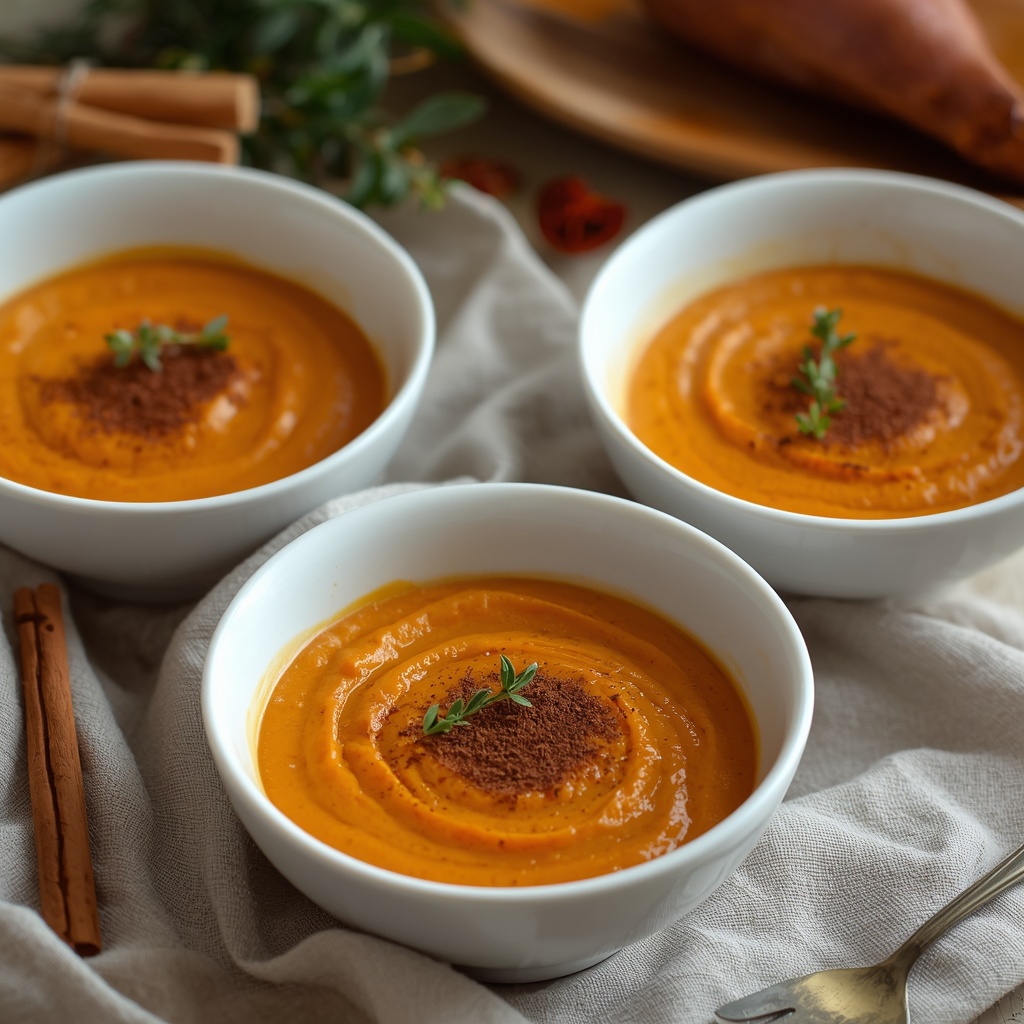
This purée earns its place at the center of a Thanksgiving table not just for its flavor, but for its versatility. It pairs harmoniously with virtually any protein — from classic roasted turkey to herb-crusted salmon, from a spiced lentil loaf to simple grilled chicken. Its natural sweetness and warm spice profile also make it a natural companion for other roasted root vegetables, creating a cohesive autumn palette on the plate.
For a complete holiday meal, consider pairing it with our other festive recipes from the healthy recipes collection, including grain salads with cranberries and fresh herbs, roasted green beans with lemon and garlic, and warming soups designed for cooler months. These combinations create a table that is both visually abundant and nutritionally balanced — exactly what a celebration meal should be.
As a weekday side dish outside the holiday season, this purée works beautifully alongside roasted chickpeas, sautéed greens, or a fried egg on top for a complete and satisfying dinner in under an hour. It is also an excellent way to introduce young children to sweet potatoes, as the smooth texture and naturally sweet flavor are almost universally appealing.
Making This Recipe Fit Your Lifestyle
Modern holiday cooking can feel overwhelming — between the desire to make something special and the reality of limited time and competing dietary preferences at the table. This recipe is designed to reduce that pressure rather than add to it. It requires minimal active cooking time, uses a short list of whole-food ingredients, and scales easily for larger gatherings.
For a table of eight, simply double the quantities and use two baking sheets, rotating them midway through roasting for even heat distribution. For a smaller holiday dinner of two, the base recipe produces generous leftovers that transform into an excellent filling for stuffed peppers or a warming base for a breakfast bowl the following morning.
The recipe is naturally gluten-free, dairy-free when made with plant milk, vegan when olive oil is used, and free of refined sugar. This makes it one of the most inclusive dishes you can bring to a shared table — one that works for a wide range of dietary needs without sacrificing flavor or satisfaction.
For more ideas on building nourishing, flavorful meals throughout the year, explore our wellness practices collection, which offers evidence-based guidance on seasonal eating, digestive health, energy management, and sustainable nutrition habits. Our collection of wellness recipes continues to grow with dishes that honor both pleasure and health in equal measure.
Sweet Potatoes and the Science of Seasonal Eating
There is growing scientific interest in the concept of eating seasonally — not merely as a culinary preference, but as a genuine strategy for optimizing nutritional intake and supporting the body’s shifting needs across the year. Sweet potatoes are a seasonal food in the truest sense: their natural harvest window runs from late summer through early winter, and they are at their nutritional and flavor peak during exactly the months when the body tends to need dense, warming, nutrient-rich fuel most.
Research in nutritional chronobiology — the study of how timing affects nutrient metabolism — suggests that the body’s insulin sensitivity, digestive enzyme production, and appetite regulation shift meaningfully across seasons. During colder months, the metabolic demand for complex carbohydrates increases as the body expends more energy maintaining core temperature. Sweet potatoes, with their slow-digesting starches and impressive mineral content, are ideally suited to this seasonal demand.
Beyond the metabolic dimension, seasonal eating carries a psychological benefit that is increasingly acknowledged by researchers in the field of mindful eating. Connecting meals to the natural cycle of growing seasons creates a form of mindful awareness — an attentiveness to time, place, and the origin of food — that research associates with greater meal satisfaction, reduced impulsive eating, and a more positive overall relationship with food. In this sense, preparing a roasted sweet potato purée in autumn is not just a cooking decision. It is a small act of alignment with natural rhythms that research suggests benefits both body and mind.
For families with children, introducing sweet potatoes in seasonal preparations like this purée also plays an important developmental role. Children who are exposed to a wide variety of whole vegetables in varied textures and preparations during formative years are statistically more likely to maintain diverse, vegetable-inclusive diets into adulthood. The naturally sweet flavor and smooth texture of this purée makes it one of the most accessible vegetable preparations for young palates — a reliable way to build positive associations with a nutritionally significant food.
Building a Complete Holiday Table Around This Purée
Understanding how this purée fits into the larger context of a balanced, health-supportive holiday meal helps maximize both its nutritional contribution and its value as a centerpiece of the table. Rather than existing in isolation, it works best as part of a thoughtfully assembled spread where different dishes provide complementary nutritional profiles.
A complete Thanksgiving plate built around this purée might include a lean protein source — turkey breast, herb-roasted salmon, or a plant-based lentil preparation — alongside a fiber-rich green vegetable such as roasted green beans with garlic and lemon, and a complex carbohydrate like a warm grain salad with cranberries and fresh herbs. This combination delivers a broad spectrum of macronutrients and micronutrients in a way that keeps energy stable, digestion smooth, and satisfaction lasting well into the evening.
The purée itself acts as what nutritionists sometimes call a nutritional anchor: a dense, nutrient-rich component that grounds the meal and contributes significant quantities of vitamins and minerals that lighter dishes alone might not provide. Its beta-carotene and vitamin C content complements the protein-rich main dish, while its fiber works alongside the green vegetables to create a digestive environment that supports efficient nutrient absorption and a sustained feeling of fullness.
For a fully plant-based holiday table, this purée pairs exceptionally well with a mushroom-walnut loaf, a root vegetable Wellington, or a hearty grain pilaf as the main dish. Its warmth and depth of flavor anchor a plant-based spread in a way that makes the absence of animal protein genuinely unremarkable — a hallmark of thoughtfully composed vegetable-forward cooking. Explore our wellness practices collection for more guidance on building balanced, nourishing meals for every season and occasion.
Frequently Asked Questions
Can I use canned sweet potatoes instead of fresh? Canned sweet potatoes (packed in water, not syrup) can be used in a pinch, but they will not produce the same depth of flavor as roasting fresh potatoes. If using canned, consider adding a brief broil after draining and rinsing to develop some caramelization before blending.
What is the best blender for this recipe? A high-speed blender or food processor produces the smoothest results. An immersion blender works well for a slightly more rustic texture with visible golden flecks. A potato masher can be used if you prefer a chunkier, less refined finish with a more homestyle character.
Can I make this without maple syrup? Absolutely. The natural sweetness of roasted sweet potatoes is sufficient on its own, particularly if the potatoes are ripe and fresh. Alternatively, a small amount of honey or medjool date paste can replace the maple syrup with a similar effect.
How do I know when the sweet potatoes are ready to purée? Look for golden, slightly caramelized edges and completely soft flesh that yields easily when pressed with a fork. Any resistance in the center means more time is needed — an undercooked sweet potato will produce a lumpy, starchy purée regardless of how long it is blended.
This roasted maple sweet potato purée is more than a side dish. It is an invitation to slow down, savor seasonal ingredients, and bring genuine nourishment to the table without complication. Whether it becomes a Thanksgiving tradition in your home or a quiet weeknight comfort, it earns its place in the rotation. Explore more seasonal recipes and browse our full recipes collection to continue building a table that nourishes every time.