


3 Energizing Breakfasts to Start Your Day Right
Mornings set the tone for everything that follows. The first meal of the day does far more than simply end the overnight fast — a well-constructed breakfast influences blood sugar stability, cognitive performance, mood, hunger regulation and energy levels across the entire morning. Yet many people either skip breakfast entirely or default to options high in refined carbohydrates and added sugars that deliver a brief energy spike followed by a pronounced mid-morning crash.
The three breakfasts in this guide take a different approach. Each one is built around the nutritional principles that support sustained energy: adequate protein to preserve satiety and support neurotransmitter production, complex carbohydrates and fiber for slow glucose release, and healthy fats for brain function and the absorption of fat-soluble vitamins. They are also practical — quick to prepare, flexible to adapt, and genuinely enjoyable to eat. These recipes are part of our collection of wellness recipes designed to make nourishing eating simple and accessible every day.
Whether you have ten minutes or thirty, prefer sweet or savory, need something portable or sit-down, one of these options fits. Try rotating all three across a week and observe the difference in your energy, focus and morning mood.
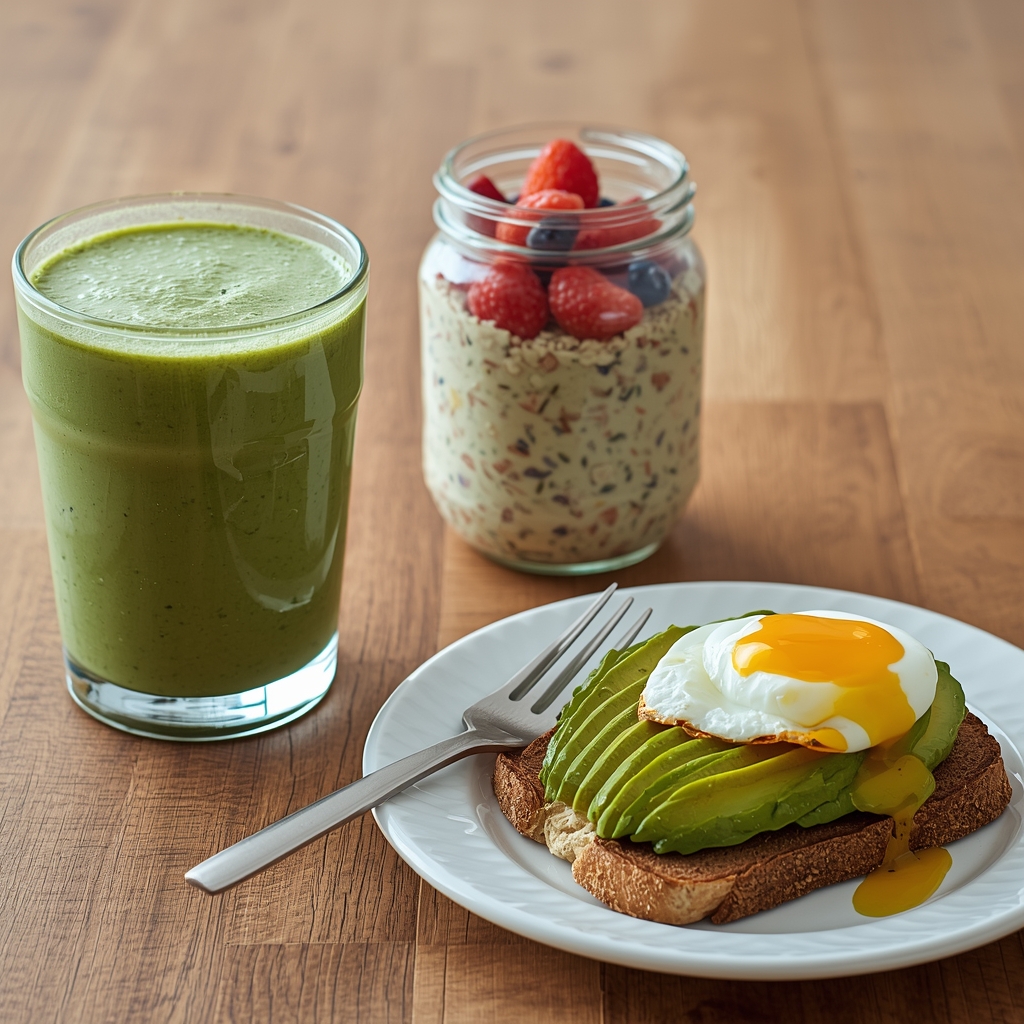
Why Breakfast Matters: The Science Behind Morning Nutrition
During sleep, the body continues to burn glucose to maintain brain activity, cellular repair and essential metabolic functions. By morning, liver glycogen stores are partially depleted and blood sugar is at its daily low. This is why breakfast has such an immediate impact on how you feel and function: it refuels these depleted stores and determines how glucose enters the bloodstream over the coming hours.
The composition of that first meal matters enormously. A breakfast based on refined carbohydrates — white bread, sugary cereals, pastries, sweetened yogurts — triggers a rapid rise in blood glucose followed by an equally rapid decline, driven by an insulin response proportional to the glycemic load. This oscillation creates the familiar mid-morning energy slump, increased hunger, difficulty concentrating and mood instability that many people attribute simply to being “not a morning person.”
A breakfast rich in protein, fiber and healthy fats produces a fundamentally different metabolic response. Protein slows gastric emptying and provides the amino acid precursors — tyrosine for dopamine and noradrenaline, tryptophan for serotonin — that the brain needs to maintain alertness and mood. Soluble fiber forms a gel in the digestive tract that further moderates glucose absorption. Healthy fats slow digestion, support the absorption of fat-soluble vitamins (A, D, E and K), and provide a sustained energy substrate that carries you well past the typical mid-morning dip.
According to research summarized by the Harvard T.H. Chan School of Public Health, regular breakfast consumption is associated with improved cognitive performance in both children and adults, better weight management outcomes, and more consistent intake of key micronutrients including calcium, folate and iron. The key variable, however, is breakfast quality — not simply eating anything in the morning, but making choices that support rather than undermine metabolic stability. For complementary guidance on nutrition and daily wellbeing, explore our collection of wellness practices.
Recipe 1: Green Power Smoothie
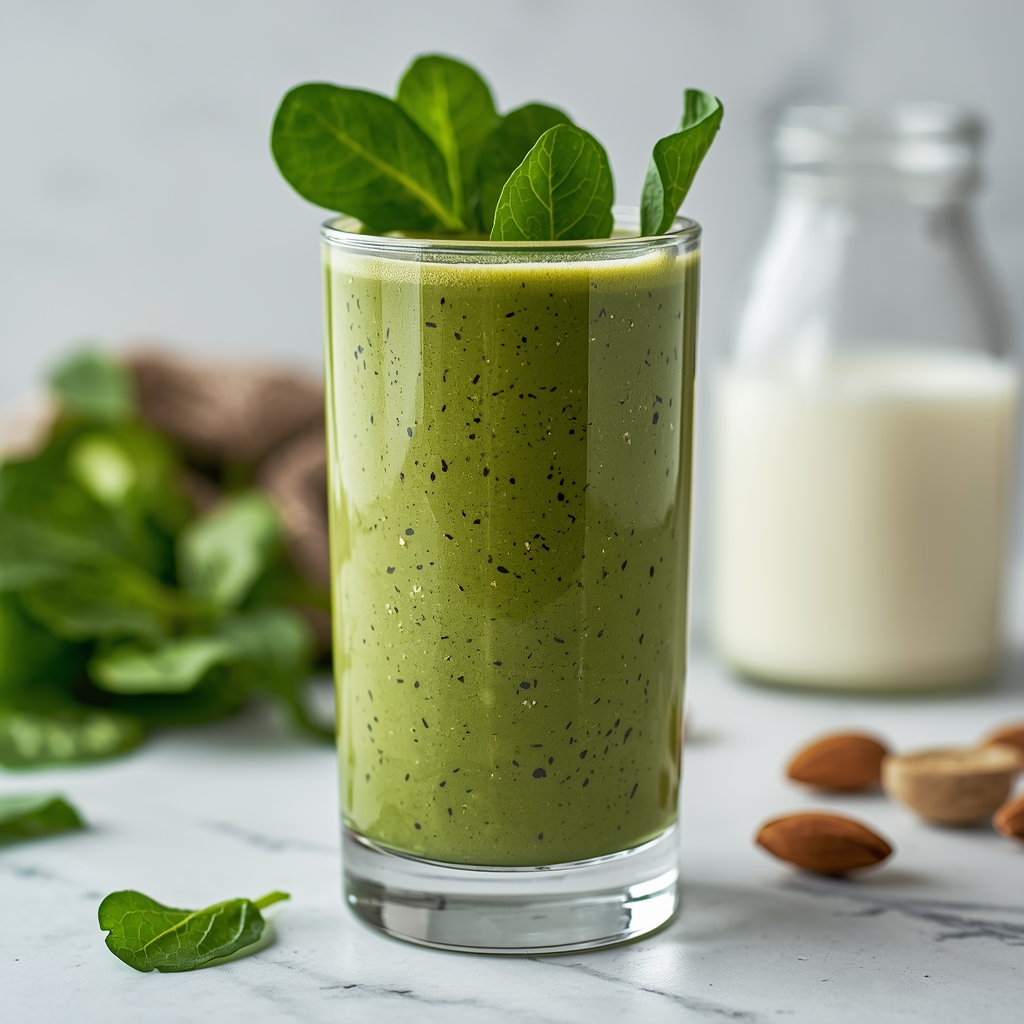
The Green Power Smoothie is the ideal breakfast for busy mornings when time is short but nutritional quality cannot be compromised. It takes under five minutes to prepare, requires no cooking, and can be consumed on the go. Despite its simplicity, it delivers an impressive nutritional profile: leafy greens provide vitamins K, C and folate alongside nitrates that support circulation and brain oxygenation; banana contributes natural sugars with potassium and B6 for energy metabolism; avocado supplies monounsaturated fats and fiber; and chia seeds add omega-3 precursors, additional fiber and plant protein.
The liquid base — almond milk or coconut water — provides additional electrolytes and hydration at a time when the body has been fasting for eight or more hours. The overall effect is a breakfast that hydrates, energizes and nourishes without weighing you down, making it particularly well-suited to active mornings, warm weather or anyone who finds solid food unappealing first thing.
Ingredients
For 1 serving:
- 1 cup (30 g) fresh spinach or kale, stems removed
- 1 medium banana, fresh or frozen
- ½ ripe avocado
- 1 tablespoon chia seeds
- 1 cup (240 ml) unsweetened almond milk or coconut water
- 4–5 ice cubes (optional, for a colder smoothie)
- Optional: 1 tablespoon plain Greek yogurt or 1 scoop plant-based protein powder
- Optional: a squeeze of fresh lemon juice to brighten flavor
Preparation
Step-by-step instructions:
- Prepare: Wash the spinach or kale thoroughly and remove any thick stems. Peel the banana and cut it into chunks if using fresh. Scoop the avocado flesh from the skin.
- Layer: Add the liquid base to the blender first — this protects the blades and helps everything blend more smoothly. Add the greens next, followed by the banana, avocado and chia seeds.
- Blend: Process on high speed for 45 to 60 seconds until completely smooth and no green flecks remain. Scrape down the sides of the blender and blend for a further 15 seconds if needed.
- Taste and adjust: Sample the smoothie and adjust as needed — a squeeze of lemon brightens the flavor if it tastes flat; a little extra banana adds sweetness; a tablespoon of yogurt adds creaminess and extra protein.
- Serve: Pour into a glass and consume immediately for the best texture and nutrient retention. If transporting, store in a sealed bottle and shake before drinking.
Total time: 5 minutes
Recipe 2: Overnight Oats with Berries and Nuts
Overnight oats are one of the most practical, nutritionally complete breakfast options available — and the beauty of them is that all the effort happens the evening before, leaving mornings genuinely effortless. The foundational ingredient, rolled oats, is one of the most studied foods in nutritional science. Oats are exceptionally rich in beta-glucan, a soluble fiber that forms a viscous gel during digestion, dramatically slowing glucose absorption and sustaining satiety for three to four hours. Beta-glucan has also been shown to support healthy cholesterol levels and feed beneficial gut bacteria, making oats a food that serves both metabolic and digestive health simultaneously.
Combined with the protein and probiotics of Greek yogurt, the antioxidants and fiber of fresh berries, and the healthy fats and micronutrients of mixed nuts, this breakfast provides a balanced macronutrient profile that translates directly to sustained energy and mental steadiness across the morning. It is equally appropriate for desk workers who need sustained concentration and for active individuals managing post-exercise recovery.
Ingredients
For 1 serving:
- ½ cup (45 g) rolled oats (not instant)
- ½ cup (120 ml) milk or unsweetened plant-based milk
- 3 tablespoons plain Greek yogurt (or plant-based yogurt)
- 1 teaspoon honey or pure maple syrup (optional)
- ½ cup (75 g) fresh or thawed frozen berries (blueberries, raspberries or strawberries)
- 2 tablespoons mixed nuts, roughly chopped (walnuts, almonds or pecans)
- Optional: 1 tablespoon ground flaxseed or chia seeds for extra fiber
- Optional: ¼ teaspoon vanilla extract or a pinch of cinnamon
Preparation
Step-by-step instructions:
- Combine: In a jar or container with a lid, combine the rolled oats, milk, Greek yogurt, and optional honey, vanilla or cinnamon. Stir thoroughly to ensure the oats are fully submerged in liquid.
- Enrich: If using ground flaxseed or chia seeds for extra fiber, stir them in at this stage. They will absorb liquid overnight and add a pleasant creaminess to the final texture.
- Refrigerate: Seal the jar and refrigerate for a minimum of 6 hours, ideally overnight (8–10 hours). The oats will absorb the liquid and soften to a pudding-like consistency.
- Check consistency: In the morning, remove the jar from the refrigerator. If the mixture is thicker than you prefer, stir in an additional splash of milk to loosen it. If you enjoy it warm, microwave for 60–90 seconds, stirring halfway through.
- Top and serve: Add the fresh berries and chopped nuts immediately before eating to preserve their texture. Serve directly from the jar for a portable, zero-washing-up breakfast option.
Total time: 5 minutes preparation + overnight refrigeration
Recipe 3: Savory Avocado Toast with Poached Egg
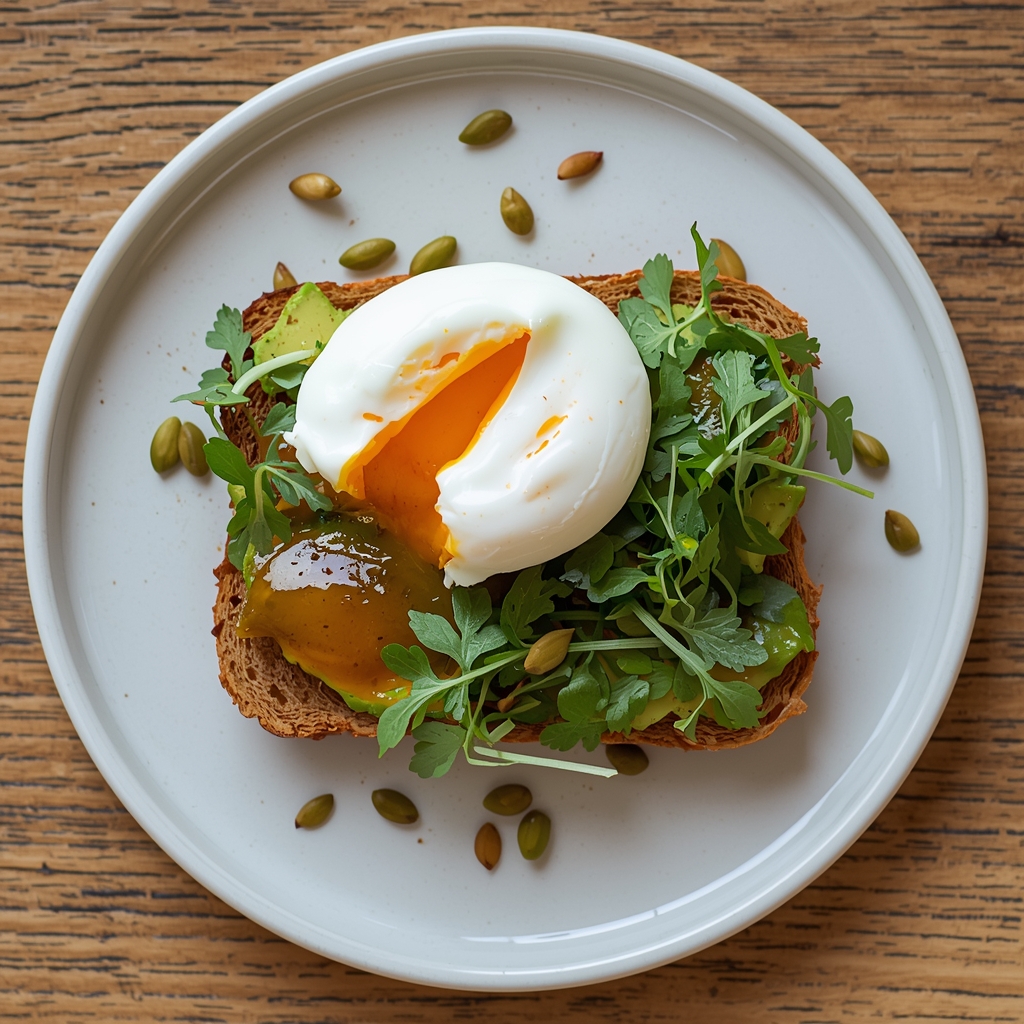
For those who prefer a savory start to the day, this avocado toast with poached egg delivers one of the most nutritionally complete and satisfying breakfast combinations available. Whole-grain or sourdough bread provides complex carbohydrates, fiber and B vitamins from the bran and germ layers removed in refined white bread. Avocado contributes monounsaturated fatty acids — the same heart-healthy fats found in olive oil — along with potassium, folate, vitamin K and fiber. The poached egg tops this with a complete protein source (all nine essential amino acids), choline for brain and liver health, lutein and zeaxanthin for eye health, and vitamin D.
Together, these three components provide the ideal macronutrient balance for sustained cognitive performance: slow-release carbohydrates for steady glucose supply, fats for brain function and satiety, and protein to support neurotransmitter production and prevent mid-morning hunger. This breakfast is particularly well-suited to demanding mornings — before important meetings, creative work sessions or any day when mental performance matters.
Ingredients
For 1 serving:
- 1 slice whole-grain or sourdough bread
- ½ ripe avocado
- 1 large egg, fresh
- 1 teaspoon white wine vinegar (for poaching)
- A squeeze of fresh lemon juice
- Sea salt and freshly ground black pepper to taste
- Optional: a pinch of chili flakes for warmth
- Optional: 1 tablespoon pumpkin seeds or sunflower seeds for crunch and extra minerals
- Optional: a small handful of microgreens or fresh herbs (chives, dill, coriander)
Preparation
Step-by-step instructions:
- Toast: Place the bread in the toaster or under the grill and toast to your preferred level of crispness. A medium-dark toast provides a sturdy base that holds the avocado without becoming soggy.
- Mash the avocado: Halve the avocado, remove the stone and scoop the flesh into a small bowl. Add the lemon juice, a pinch of salt and pepper. Mash with a fork to your preferred texture — some prefer a completely smooth spread, others a chunkier consistency with visible pieces.
- Poach the egg: Fill a small saucepan with approximately 7 cm of water and bring to a gentle simmer (small bubbles, not a rolling boil). Add the white wine vinegar. Crack the egg into a small cup or ramekin. Using a spoon, create a gentle whirlpool in the water and carefully slide the egg into the center. Poach for 3 minutes for a soft, runny yolk or 4 minutes for a slightly firmer set.
- Assemble: Spread the mashed avocado generously onto the toasted bread. Using a slotted spoon, lift the poached egg from the water and briefly rest it on a clean folded cloth to absorb excess water, then place it on top of the avocado.
- Finish: Season with additional salt, pepper and chili flakes if using. Scatter seeds and microgreens over the top. Serve immediately while the toast is still warm and the egg yolk is runny.
Total time: 12 minutes
Nutritional Benefits: What Makes These Breakfasts Work
Each of the three recipes is built around the same core nutritional principles, expressed through different ingredients and flavor profiles. Understanding why these ingredients were chosen helps you make informed substitutions and adaptations based on your own preferences, intolerances or what you have available.
Protein is present in all three breakfasts — through yogurt and plant protein in the smoothie, Greek yogurt in the overnight oats, and egg in the avocado toast. Adequate morning protein (targeting 15 to 25 grams) activates the release of satiety hormones including peptide YY and GLP-1, reduces hunger throughout the morning, and provides the amino acid raw materials for dopamine and serotonin synthesis — neurotransmitters that directly influence motivation, mood and cognitive sharpness.
Fiber features prominently through chia seeds and greens in the smoothie, beta-glucan oats and berries in the overnight oats, and avocado and whole-grain bread in the toast. Dietary fiber slows the rate at which glucose enters the bloodstream, preventing the sharp spikes and crashes associated with low-fiber breakfasts. It also supports gut microbiome diversity — a topic explored in depth in our guide to healthy digestion.
Healthy fats appear in avocado, chia seeds, nuts and egg yolk. These monounsaturated and polyunsaturated fats support the absorption of fat-soluble vitamins, maintain the integrity of cell membranes, and provide a slow-burning energy substrate that extends satiety. They also support the myelination of nerve fibers that underlies efficient cognitive function.
Hydration is addressed in every recipe — the smoothie directly, the oats through their liquid content, and the avocado toast ideally paired with a large glass of water or herbal tea. After eight hours without fluid, even mild morning dehydration impairs concentration and mood. For a deeper look at daily hydration strategies, our hydration guide provides comprehensive, evidence-based guidance.
Practical Tips for Making Healthy Breakfasts Sustainable
The most nutritious breakfast is the one you actually eat consistently. A few organizational strategies make it significantly easier to maintain these habits across a busy week.
Batch preparation extends the practicality of these recipes considerably. Overnight oats can be prepared for three to four days simultaneously — simply multiply the recipe and store individual jars in the refrigerator, adding fresh toppings each morning. Smoothie ingredients can be portioned into freezer bags in advance: one bag per smoothie, containing the frozen banana, measured greens and seeds, so that preparation in the morning requires only adding liquid and blending. Having whole-grain bread, ripe avocados and eggs consistently stocked makes avocado toast a five-minute option even on the most rushed mornings.
Seasonal flexibility keeps breakfast interesting throughout the year. The overnight oats work equally well with sliced stone fruit in summer, grated apple and cinnamon in autumn, or citrus segments in winter. The smoothie adapts readily to whatever greens and fruits are in season or on sale. The avocado toast accepts endless variations — smoked salmon, sliced tomato, a drizzle of extra virgin olive oil, or a scattering of fresh herbs can each transform the dish while preserving its nutritional integrity.
Eating breakfast mindfully — seated, without screens, chewing slowly — meaningfully improves both digestion and satiety signaling. Taking even ten minutes to eat attentively rather than rushed and distracted activates the cephalic phase of digestion, improves nutrient absorption and helps you recognize the fullness signals that prevent overeating later in the day. Pairing breakfast with a glass of water — consumed before eating to rehydrate after the overnight fast — is one of the simplest daily habits with one of the highest returns.
A Simple Three-Day Morning Reset
If you are new to eating nutritious breakfasts consistently, a structured three-day rotation offers a low-pressure way to establish the habit and observe the effects. Day one: the Green Power Smoothie, paired with a handful of mixed nuts if you expect a long morning. Day two: Overnight Oats with Berries and Nuts, prepared the evening before so the morning requires only opening the refrigerator. Day three: Savory Avocado Toast with Poached Egg, which takes approximately twelve minutes from start to finish.
After three days, most people notice tangible differences — steadier energy between breakfast and lunch, reduced reliance on mid-morning snacks, clearer thinking in the late morning hours, and a reduction in the cravings that typically follow high-sugar breakfast choices. These effects are not coincidental: they reflect measurable changes in blood glucose stability, insulin response and neurotransmitter availability produced by the nutritional composition of these meals.
Continue rotating across the week, mixing and matching based on your schedule, mood and what’s available. Over time, these choices become automatic — not a diet to follow, but simply how you eat in the morning. Explore more nourishing ideas in our full wellness recipes collection and visit our health tips for complementary daily wellbeing practices.
Frequently Asked Questions About Healthy Breakfasts
Is it really important to eat breakfast every day? Research on breakfast and health outcomes shows that for most people, eating a nutritionally balanced breakfast supports better cognitive performance, more stable energy, and improved nutrient intake across the day. That said, individual responses vary: some people function well with a later first meal, particularly those practicing time-restricted eating intentionally. The more important variable is breakfast quality when you do eat it, rather than rigid timing. If you are genuinely not hungry in the morning, beginning with something small and protein-rich — a handful of nuts, a boiled egg, a small portion of yogurt — is a reasonable entry point.
Can I make these recipes if I am dairy-free or vegan? Yes, all three adapt readily. The smoothie is naturally vegan; replace yogurt with a plant-based alternative or simply omit it. The overnight oats work perfectly with any plant-based milk and a coconut or soy yogurt. The avocado toast becomes vegan by replacing the egg with sliced firm tofu pan-fried with turmeric, nutritional yeast and black salt (kala namak, which mimics the egg flavor), or with additional seeds and a drizzle of tahini for protein.
What if I don’t have time to make breakfast on busy mornings? The overnight oats exist precisely to solve this problem — they require zero morning effort. The smoothie takes under five minutes. On truly rushed days, a banana with a tablespoon of almond butter, or a small container of plain yogurt with berries prepared the night before, maintains the principle of protein plus fiber plus healthy fats even when time is extremely limited. The goal is to avoid the default of skipping breakfast or reaching for something refined and sugary out of convenience.
How much protein should a healthy breakfast contain? Research on satiety and muscle protein synthesis suggests that 15 to 30 grams of protein at breakfast is the range associated with the strongest benefits for hunger management, muscle maintenance and cognitive performance. The smoothie with added yogurt or protein powder reaches approximately 15 to 20 grams; the overnight oats with Greek yogurt deliver 14 to 18 grams; and the avocado toast with egg provides 12 to 15 grams, extendable by adding an additional egg or a smear of nut butter on the side.
A nourishing breakfast is a small morning ritual with outsize effects on the rest of your day. Choose the recipe that fits your morning, keep the ingredients stocked, and let consistency do its work. The cumulative impact of hundreds of well-chosen breakfasts is one of the most accessible levers available for long-term energy, mood and health.