


The Importance of a Healthy Digestion
Digestion is one of the most fundamental processes in the human body, yet it is also one of the most underappreciated. When your digestive system is functioning well, you may barely notice it — energy flows steadily, the mind stays clear, the immune system performs reliably, and the body maintains its natural equilibrium. When digestion is compromised, however, the effects extend well beyond the gut: fatigue, brain fog, mood swings, skin problems, hormonal disruption and a weakened immune response can all trace their roots to an overburdened or imbalanced digestive tract.
In recent decades, research has dramatically expanded our understanding of the gut’s role in overall health. Far from being a simple food-processing tube, the gastrointestinal system is now understood to house approximately 70% of the immune system, produce around 95% of the body’s serotonin, and maintain a bidirectional communication network with the brain known as the gut-brain axis. This new science has transformed how clinicians and researchers think about digestion — not as an isolated function, but as a central pillar of whole-body health. This article is part of our collection of wellness practices designed to help you understand and support your body’s most essential systems.
Whether you’re experiencing specific digestive discomfort or simply want to optimize your gut health proactively, the habits and insights in this guide offer a practical, evidence-informed foundation to build from.

Why Healthy Digestion Is the Foundation of Overall Wellness
Every system in the body depends — directly or indirectly — on what the digestive system extracts from food. Vitamins fuel neurological function and cellular repair. Minerals drive enzyme activity and energy metabolism. Amino acids from protein are the building blocks of every tissue, hormone and neurotransmitter in the body. Essential fatty acids maintain the integrity of cell membranes and regulate inflammation. Without effective digestion, none of these nutrients reach their destinations in the quantities the body needs, regardless of how nutritious the diet may be.
This is why poor digestive function has such wide-reaching consequences. Malabsorption of B vitamins, for example, impairs the production of red blood cells and neurotransmitters, contributing to fatigue and low mood. Compromised absorption of magnesium affects hundreds of enzymatic reactions involved in energy production, muscle function and stress regulation. A disrupted gut microbiome — the community of trillions of microorganisms living in the intestinal tract — has been linked in research to conditions ranging from irritable bowel syndrome and inflammatory bowel disease to metabolic disorders, autoimmune conditions and even mental health challenges including anxiety and depression.
The gut’s connection to immunity is particularly significant. The intestinal lining is the body’s primary barrier between the external environment and the internal bloodstream. A healthy gut lining selectively absorbs nutrients while blocking pathogens, undigested food particles and toxins. When this barrier is compromised — a condition researchers sometimes call increased intestinal permeability — unwanted substances can cross into the bloodstream, triggering inflammatory and immune responses that affect tissues and organs throughout the body. Supporting healthy digestion, in this light, is one of the most direct investments you can make in long-term health and resilience.
How the Digestive System Works
Understanding the digestive process in even broad terms helps clarify what is needed to support it. Digestion is not a single event but a coordinated, multi-stage process that begins before food enters the mouth and continues for many hours after a meal.
The process actually starts with the cephalic phase — the anticipatory response triggered by the sight, smell and even thought of food. The brain signals the stomach and pancreas to begin preparing digestive secretions before any food arrives, which is why eating in a calm, attentive state tends to produce better digestive outcomes than eating while distracted or rushed.
In the mouth, chewing mechanically breaks food into smaller particles while saliva introduces amylase — an enzyme that begins breaking down carbohydrates. Adequate chewing is one of the simplest and most underused tools for supporting digestion; larger food particles that arrive in the stomach intact require more energy and acid to process, contributing to bloating, gas and incomplete breakdown.
In the stomach, hydrochloric acid and pepsin break down proteins and kill harmful pathogens. The stomach’s churning action creates a semi-liquid mixture called chyme that is gradually released into the small intestine. Here, the majority of digestion and nutrient absorption occurs. Bile from the liver and gallbladder emulsifies fats; pancreatic enzymes break down proteins, carbohydrates and fats further; and the intestinal lining absorbs the resulting nutrients into the bloodstream.
The large intestine receives what remains — primarily water, electrolytes and indigestible fiber. Here the gut microbiome performs some of its most important work: fermenting fiber to produce short-chain fatty acids (which serve as fuel for the cells lining the colon and have anti-inflammatory properties), synthesizing certain vitamins including vitamin K and B vitamins, and regulating bowel transit and water reabsorption. The entire journey from mouth to elimination typically takes between 24 and 72 hours in a healthy digestive system, with significant variation based on diet, hydration, activity level and individual factors.
Common Signs of a Compromised Digestive System
Digestive dysfunction rarely announces itself dramatically. More often, it presents as a collection of subtle, persistent symptoms that are easy to normalize or attribute to other causes. Recognizing these signals early creates the opportunity to make targeted improvements before more significant problems develop.
Bloating and excess gas after meals are among the most universal indicators of impaired digestion. While some gas production is normal — it is a natural byproduct of microbial fermentation in the colon — pronounced or persistent bloating typically reflects either inadequate breakdown of food in the upper digestive tract or an imbalance in the gut microbiome. Food intolerances, particularly to lactose or fructose, frequently present this way, as do conditions like small intestinal bacterial overgrowth (SIBO).
Constipation — fewer than three bowel movements per week, or stools that are hard, dry and difficult to pass — suggests inadequate fiber intake, dehydration, insufficient physical activity or disrupted gut motility. Conversely, chronic loose stools or diarrhea may indicate inflammation, infection, food sensitivities or dysbiosis. Both patterns reflect a digestive system under strain. Irregular bowel habits that persist beyond a few days, or that represent a significant change from your normal pattern, warrant attention and, in some cases, professional evaluation.
Fatigue after eating — a pronounced slump in energy following meals — can indicate that digestion is consuming an unusual amount of metabolic resources, often because food is not being broken down efficiently in earlier stages. Heartburn and acid reflux, while commonly attributed to excess stomach acid, frequently stem from the opposite problem: insufficient acid production, which slows gastric emptying and allows stomach contents to linger and ferment. Unexplained skin conditions including eczema, acne and rosacea have well-established associations with gut dysbiosis and increased intestinal permeability in the research literature.
The Gut-Brain Axis: Digestion and Mental Health
One of the most significant advances in gut health research over the past two decades has been the mapping of the gut-brain axis — the bidirectional communication network linking the gastrointestinal system and the central nervous system. This connection operates through multiple pathways: the vagus nerve (a direct neural highway between gut and brain), the enteric nervous system (the gut’s own semi-autonomous nervous system, sometimes called the “second brain”), the immune system, and the circulation of hormones and neurotransmitters produced in the gut.
The implications of this axis are profound. The gut produces approximately 95% of the body’s serotonin — a neurotransmitter that regulates mood, sleep, appetite and cognitive function. Gut bacteria directly influence the production of neurotransmitters including GABA, dopamine precursors and short-chain fatty acids that affect brain function. Research has found associations between gut microbiome composition and conditions including anxiety, depression, autism spectrum disorder and Parkinson’s disease, with ongoing studies investigating whether modifying the microbiome can influence neurological and psychiatric outcomes.
The relationship runs in both directions. Psychological stress — whether acute or chronic — exerts measurable effects on digestive function. Stress activates the sympathetic nervous system, which redirects blood flow away from the digestive tract and reduces the secretion of digestive enzymes and mucus. It alters gut motility, with some people experiencing stress-induced diarrhea (accelerated transit) and others experiencing constipation (slowed transit). Chronic stress disrupts the gut microbiome composition, reducing the diversity and abundance of beneficial bacteria. This creates a self-reinforcing dynamic: poor gut health increases vulnerability to psychological stress, and psychological stress worsens gut health.
Practical strategies that address both sides of this axis — supporting both digestive function and stress resilience — are therefore among the most powerful investments in overall wellbeing. Our wellness practices collection covers complementary approaches to stress management that work alongside the dietary and lifestyle changes described in this guide.
Daily Habits That Significantly Improve Digestive Health
The good news about digestive health is that it responds remarkably well to consistent, practical lifestyle changes. The following habits have robust evidence bases and can produce meaningful improvements in gut function within weeks of consistent application.
Chew thoroughly and eat without distraction: The single most underused digestive tool is adequate chewing. The stomach has no teeth — it depends on receiving well-broken-down food to work efficiently. Aiming for 20 to 30 chews per mouthful, eating slowly and keeping mealtimes as calm and screen-free as possible activates the cephalic phase of digestion, increases salivary amylase production, and reduces the fermentable load that reaches the large intestine inadequately digested.
Prioritize dietary fiber from diverse sources: Fiber is the primary fuel source for the gut microbiome. Soluble fiber — found in oats, legumes, apples and flaxseed — forms a gel in the digestive tract that slows carbohydrate absorption and feeds beneficial bacteria. Insoluble fiber — found in whole grains, vegetable skins and seeds — adds bulk to stool and supports regular bowel transit. Most adults consume far less fiber than the recommended 25 to 38 grams per day. Gradually increasing fiber intake — alongside adequate hydration — is one of the most impactful single dietary changes for gut health. Explore our collection of wellness recipes for fiber-rich meal ideas that make this transition genuinely enjoyable.
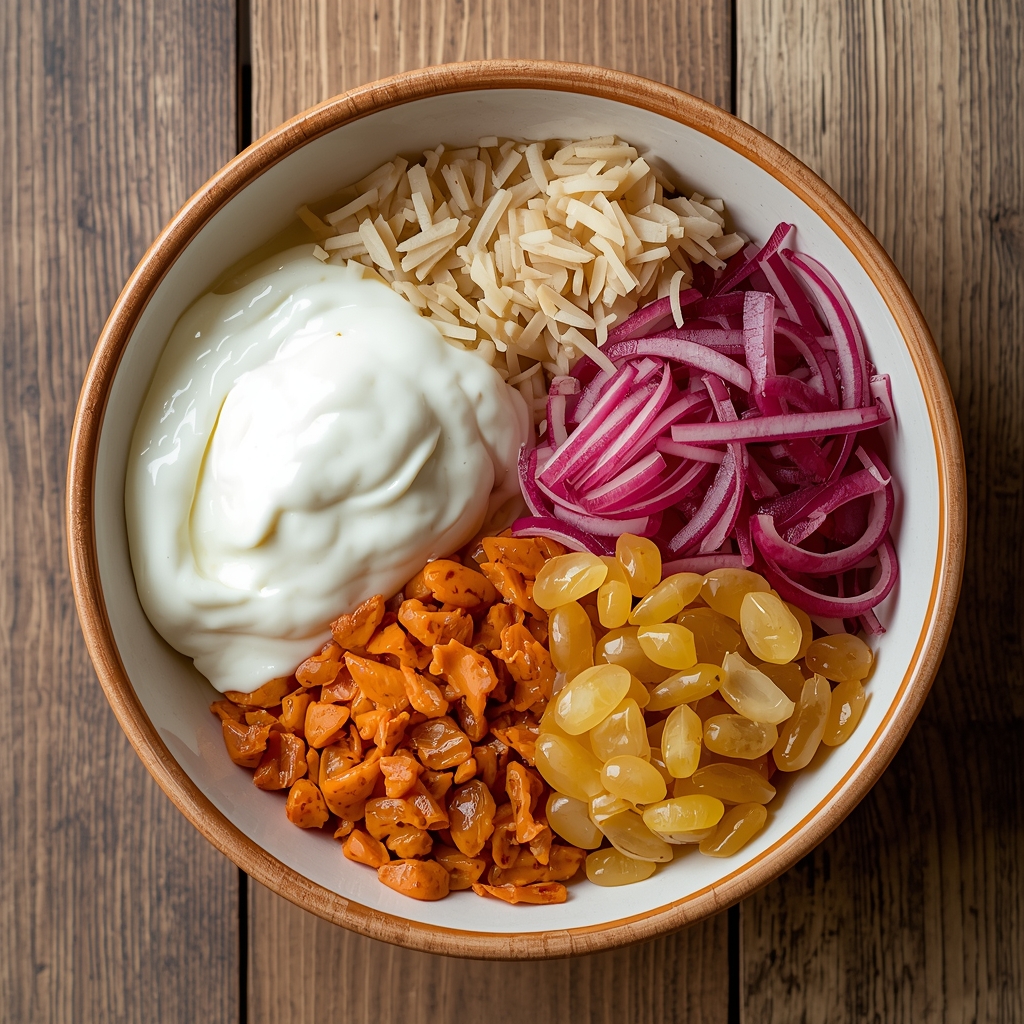
Incorporate fermented and probiotic-rich foods: Fermented foods — yogurt with live cultures, kefir, sauerkraut, kimchi, miso, tempeh and kombucha — introduce live beneficial bacteria into the gut and provide prebiotics that feed existing populations. Regular consumption of fermented foods has been associated with increased microbiome diversity — itself a strong marker of gut health — as well as reductions in inflammatory markers. Even small daily portions (a tablespoon of sauerkraut, a serving of plain yogurt) contribute meaningfully over time.
Stay consistently hydrated: Water is essential for every stage of the digestive process: it activates salivary enzymes, contributes to the fluid environment in which gastric acid and intestinal enzymes operate, maintains the mucus lining that protects the intestinal wall, and softens stool to facilitate comfortable transit. Even mild chronic dehydration is a common and frequently overlooked contributor to constipation and sluggish digestion. For practical hydration strategies, our hydration guide provides a thorough evidence-based framework.
Move your body regularly: Physical activity stimulates the muscular contractions of the gut wall (peristalsis) that move food through the digestive tract. Even modest regular movement — 20 to 30 minutes of walking most days — consistently improves bowel regularity and reduces symptoms of bloating and constipation. More vigorous exercise additionally supports healthy gut microbiome composition. Conversely, prolonged sedentary periods slow gut motility significantly.
Manage meal timing and size: Large meals, particularly late in the evening, place significant demands on the digestive system at a time when metabolic processes naturally slow. Eating the largest meal of the day earlier — ideally at lunch — and allowing at least two to three hours between the last meal and sleep supports efficient digestion and allows the migrating motor complex (the gut’s housekeeping mechanism) to function properly overnight.
Natural Digestive Supports: Foods, Herbs and Practices
Alongside the core lifestyle habits above, a range of foods and herbal preparations have meaningful, research-supported roles in supporting digestive comfort and function.
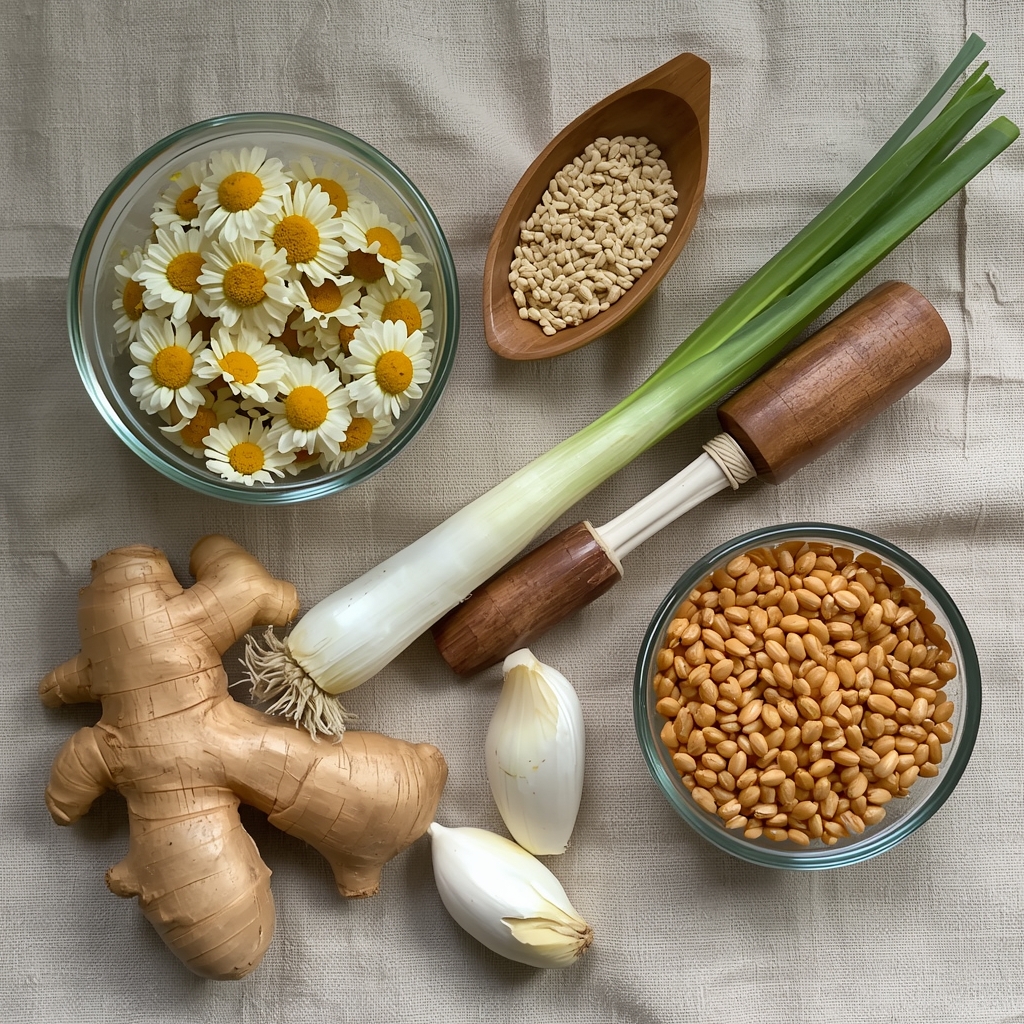
Ginger is one of the most extensively studied digestive botanicals. Its active compounds — gingerols and shogaols — accelerate gastric emptying, reduce nausea, inhibit inflammatory pathways in the gut wall and have mild antimicrobial properties. Fresh ginger in meals, ginger tea or small amounts of concentrated ginger before eating are practical ways to leverage these effects, particularly useful for those who experience post-meal heaviness or motion sickness.
Peppermint has well-documented antispasmodic effects on the smooth muscle of the digestive tract, making it particularly effective for reducing cramping and bloating associated with irritable bowel syndrome. Peppermint tea provides a gentle, accessible dose; enteric-coated peppermint oil capsules deliver a more concentrated effect directly to the small intestine and have demonstrated benefit in clinical trials for IBS.
Chamomile combines mild antispasmodic, anti-inflammatory and mild anxiolytic properties — making it particularly useful for digestive complaints with a stress component. A cup of chamomile tea 20 to 30 minutes before bed supports both gut motility and the sleep quality that is itself important for digestive health.
Prebiotic foods — Jerusalem artichokes, garlic, onions, leeks, asparagus, green bananas and chicory root — contain inulin and fructooligosaccharides that selectively feed beneficial Bifidobacterium and Lactobacillus species in the gut. Including a variety of prebiotic foods alongside probiotic sources creates the most favorable conditions for microbiome diversity. For inspiration on building a gut-friendly diet, browse our recipes section, which includes dishes designed around whole, minimally processed ingredients that support digestive health.
When to Seek Professional Guidance
The lifestyle habits and dietary changes described in this guide are appropriate starting points for most people experiencing common digestive discomfort. However, certain symptoms warrant professional evaluation rather than self-management, as they may indicate underlying conditions that require diagnosis and targeted treatment.
Consult a healthcare provider if you experience: blood in the stool or rectal bleeding; unexplained, significant or rapid weight loss; persistent vomiting; severe abdominal pain, particularly if localized or accompanied by fever; difficulty swallowing; symptoms that persist or worsen despite dietary changes; or any significant change in bowel habits that lasts more than a few weeks without an obvious cause.
Conditions including celiac disease, inflammatory bowel disease (Crohn’s disease and ulcerative colitis), irritable bowel syndrome, small intestinal bacterial overgrowth, gastroparesis and various food intolerances require proper diagnosis — often including blood tests, endoscopy or breath tests — to be managed effectively. Self-diagnosis based on symptom recognition alone can lead to inappropriate dietary restrictions or delayed treatment of serious conditions. When in doubt, a gastroenterologist or registered dietitian specializing in gut health can provide personalized, evidence-based guidance.
Frequently Asked Questions About Digestive Health
How long does it take to improve gut health through diet? Research on dietary interventions and the gut microbiome suggests that meaningful changes in microbiome composition can occur within two to four weeks of consistent dietary changes, with some studies showing measurable shifts within as little as three to five days of significant dietary modification. Symptom improvement often tracks this timeline, though establishing a new digestive baseline typically takes two to three months of consistent practice. Individual variation is considerable.
Are probiotic supplements necessary if I eat fermented foods? For most healthy adults without specific digestive conditions, a diet that regularly includes a variety of fermented foods provides meaningful probiotic benefit without requiring supplementation. Probiotic supplements can be useful in specific contexts — following a course of antibiotics, during travel, or for managing specific conditions like IBS — but the strain, dose and quality of probiotic products varies enormously. If considering supplementation, consulting a healthcare provider or registered dietitian helps ensure you choose an appropriate product for your specific needs.
Does stress really cause digestive problems? Yes, significantly and directly. The gut-brain axis means that the gut responds to psychological stress in measurable, physiological ways: altered motility, changed secretion patterns, modified microbiome composition and increased intestinal permeability. Many people with chronic digestive symptoms report that stress management practices — meditation, consistent sleep, exercise, therapy — produce improvements comparable to dietary changes. Treating digestion as an exclusively dietary issue misses a critical dimension of gut health for many people.
What is the single most important dietary change for gut health? Increasing dietary fiber diversity is the change with the broadest and most consistent evidence base for improving gut microbiome health. Not just total fiber quantity, but the variety of fiber types from different plant sources — because different bacteria ferment different fibers. Aiming to eat 30 or more different plant foods per week (including vegetables, fruits, legumes, whole grains, nuts, seeds and herbs) is a practical framework that research from the American Gut Project associated with significantly greater microbiome diversity.
Digestive health is not a niche concern — it is a central pillar of overall wellbeing that influences immunity, mental health, energy, hormonal balance and the effectiveness of every other health practice you adopt. The most powerful approach combines consistent dietary fiber, fermented foods, adequate hydration, regular movement and stress management into a daily rhythm that supports the gut’s extraordinary capacity for self-regulation and repair. Explore more strategies in our health tips collection and find gut-friendly meal inspiration in our wellness recipes.
