

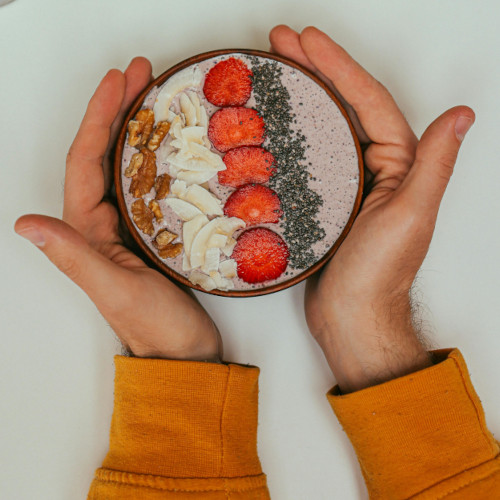
Yogurt with Fresh Fruit and Seeds: Nutritious Breakfast Bowl
Morning nutrition establishes the metabolic foundation for the entire day. Among breakfast options, few combinations match the nutritional completeness and practical simplicity of yogurt with fresh fruit and seeds. This trio delivers protein for sustained satiety, natural carbohydrates for immediate and prolonged energy, fiber for digestive health, and micronutrients that support cellular function throughout the body.

The beauty of this breakfast lies in its flexibility and forgiveness. Unlike recipes requiring precise measurements or specific cooking techniques, yogurt bowls accommodate personal preferences, seasonal availability, and dietary requirements. Greek yogurt provides thick texture and amplified protein. Regular yogurt offers lighter consistency and probiotic benefits. Plant-based alternatives extend the option to those avoiding dairy. Fruit selection varies with seasons—berries in summer, citrus in winter, stone fruits in spring. Seeds contribute texture, healthy fats, and concentrated micronutrients regardless of which varieties you choose.
Understanding Probiotic Yogurt and Gut Health
Yogurt’s health benefits extend far beyond its macronutrient profile. As a fermented food, yogurt contains live bacterial cultures—primarily Lactobacillus bulgaricus and Streptococcus thermophilus—that qualify it as a probiotic food. These beneficial bacteria survive passage through the acidic stomach environment to reach the intestines, where they interact with resident microorganisms collectively known as the gut microbiota.
The Canadian Digestive Health Foundation provides detailed information on probiotic yogurt and how these beneficial bacteria support digestive health, immune function, and nutrient absorption.
The gut microbiota—comprising trillions of microorganisms representing hundreds of species—performs critical functions that influence health systemically, not just locally in the digestive tract. These functions include synthesizing certain vitamins (particularly vitamin K and some B vitamins), training immune cells to distinguish between harmless and dangerous substances, producing short-chain fatty acids that provide energy for intestinal cells, and even manufacturing neurotransmitters that communicate with the brain via the gut-brain axis.
Regular yogurt consumption contributes to microbiota diversity and abundance. Research demonstrates that people who eat yogurt regularly tend to have more diverse gut microbial communities compared to non-consumers. This diversity correlates with numerous health advantages, including more effective immune responses, better metabolic markers, and potentially reduced inflammation throughout the body.
Ingredients
For 1 serving:
- 1 cup (240ml) plain yogurt (Greek, regular, or plant-based alternative)
- 1/2 cup fresh berries (blueberries, strawberries, raspberries) OR 1 small banana, sliced
- 1 tablespoon chia seeds OR ground flaxseeds
- Optional: 1 teaspoon raw honey or maple syrup
- Optional: 1 tablespoon chopped nuts (almonds, walnuts, pecans)
- Optional: Pinch of cinnamon or vanilla extract for flavor
Preparation
Step-by-step instructions:
- Select yogurt base: Spoon plain yogurt into a breakfast bowl. Choose Greek yogurt for higher protein (15-20g per cup) or regular yogurt for lighter texture and traditional probiotic strains.
- Add fresh fruit: Top yogurt with your choice of fresh fruit. Berries provide antioxidants and fiber; banana offers natural sweetness and potassium. Use whatever fruits are in season for peak flavor and nutrition.
- Sprinkle seeds: Add chia seeds or ground flaxseeds evenly over the fruit. These provide omega-3 fatty acids, additional fiber, and minerals like magnesium and manganese.
- Sweeten if desired: Drizzle with a small amount of honey or maple syrup only if needed. Many find the natural fruit sweetness sufficient, especially with ripe bananas or strawberries.
- Optional enhancements: Add chopped nuts for crunch and healthy fats. Sprinkle with cinnamon for blood sugar stabilization and aromatic warmth. Add a few drops of vanilla extract for depth of flavor.
- Serve immediately: Enjoy while yogurt is cold and fruit is fresh. This breakfast requires no cooking and minimal preparation time.
Total time: 3-5 minutes (all preparation, no cooking required)
Nutritional Profile and Health Benefits

A standard serving of this yogurt bowl (using Greek yogurt, mixed berries, and chia seeds) provides approximately 250-300 calories with exceptional nutrient density. The macronutrient breakdown includes 15-20 grams of protein (depending on yogurt type), 35-40 grams of carbohydrates (primarily from fruit and yogurt’s natural lactose), and 5-8 grams of fat (mostly unsaturated from seeds).
The protein content deserves particular emphasis. Protein at breakfast triggers satiety hormones that reduce hunger and food-seeking behavior for hours afterward. Studies comparing high-protein breakfasts to carbohydrate-dominant ones consistently show improved appetite control, reduced mid-morning snacking, and better overall dietary compliance throughout the day. The protein also prevents muscle breakdown, particularly important for physically active individuals or those trying to preserve muscle mass during weight loss.
The fiber contribution comes from both fruit and seeds, totaling 7-10 grams per serving—approximately one-third of daily requirements. This fiber slows carbohydrate absorption, preventing blood sugar spikes and subsequent crashes that trigger renewed hunger and fatigue. The combination of soluble fiber (from fruit and chia seeds) and insoluble fiber supports both metabolic health and regular bowel movements.
Micronutrient highlights include significant amounts of calcium (300-400mg from yogurt), potassium (300-500mg from fruit), magnesium (60-80mg from seeds), and various B vitamins from yogurt. Berries contribute substantial vitamin C and manganese while providing polyphenol antioxidants that protect cells from oxidative damage. The overall antioxidant load from this single breakfast rivals or exceeds what many people consume in an entire day.
Probiotic Benefits and Digestive Health
The live bacterial cultures in yogurt—when present in adequate amounts and consumed regularly—offer several documented health advantages beyond basic nutrition. These benefits manifest through multiple mechanisms involving both direct interactions between probiotic bacteria and intestinal cells, and indirect effects mediated by changes in the resident microbiota.
Lactose digestion represents one of the most well-established benefits. The bacterial cultures in yogurt produce lactase enzyme that breaks down lactose during fermentation and continues working after consumption. This explains why many people with lactose intolerance can consume yogurt without experiencing the bloating, gas, and diarrhea that milk triggers. The semi-solid consistency of yogurt also slows intestinal transit, allowing more time for lactase activity and lactose absorption.
Immune modulation occurs through probiotic interaction with intestinal immune cells. The gut contains approximately 70% of the body’s immune system, concentrated in specialized tissue called gut-associated lymphoid tissue (GALT). Probiotic bacteria communicate with these immune cells through various signaling molecules, helping calibrate immune responses—strengthening defenses against pathogens while preventing inappropriate reactions to harmless substances. Regular yogurt consumption has been associated with reduced duration and severity of respiratory infections, though individual responses vary considerably.
Digestive comfort improves for many people who incorporate yogurt regularly. While mechanisms remain incompletely understood, proposed explanations include probiotic production of antimicrobial substances that suppress potential pathogens, enhancement of the intestinal barrier that prevents unwanted substances from crossing into the bloodstream, and modulation of intestinal motility that can alleviate both constipation and diarrhea-predominant conditions. Research on specific strains for specific digestive complaints continues actively, with some commercial yogurts now containing proprietary probiotic blends targeting particular symptoms.
Customization and Variations

The basic yogurt-fruit-seeds template accommodates endless personalization. For tropical variations, combine coconut yogurt with mango chunks, pineapple, and toasted coconut flakes. For autumn-inspired bowls, use pumpkin spice-flavored yogurt (or plain yogurt with cinnamon and nutmeg) topped with diced apple, dried cranberries, and pumpkin seeds. For chocolate lovers, stir cocoa powder into Greek yogurt and top with sliced banana, almond butter, and cacao nibs.
Protein amplification matters for athletes or those increasing protein intake. Use Greek yogurt or Icelandic skyr as the base (both provide 15-20g protein per cup versus 8-10g in regular yogurt). Add a tablespoon of nut butter for an additional 3-4 grams. Include chopped nuts for another 2-3 grams. This brings total protein to 20-25 grams—comparable to eggs or protein shakes but with the added benefits of probiotics and whole food nutrition.
Omega-3 enhancement supports cardiovascular and brain health. While chia and flax seeds both provide omega-3s, they contain the plant form (ALA) rather than the marine forms (EPA and DHA) found in fish. The body converts some ALA to EPA and DHA, though conversion rates vary individually and are generally modest. For vegetarians or those avoiding fish, these plant omega-3 sources still contribute to overall intake. Walnuts also provide ALA and can supplement or replace seeds for variety.
Antioxidant maximization comes from fruit selection. Berries rank highest among common fruits for antioxidant capacity, with blueberries, blackberries, raspberries, and strawberries all scoring exceptionally well. Pomegranate seeds (arils) provide particularly concentrated antioxidants along with satisfying texture. Cherries offer anthocyanins with anti-inflammatory properties. Mixing multiple fruit types ensures diverse phytochemical exposure.
Practical Considerations and Common Questions
Which type of yogurt provides the most health benefits?
Plain, unsweetened yogurt with live active cultures offers maximum benefit. Greek yogurt provides more protein per volume due to straining that removes whey. Regular yogurt contains more calcium and typically higher amounts of live cultures. Icelandic skyr falls between the two in protein content. All work excellently; choose based on texture preference and nutritional priorities. Plant-based yogurts made from soy, almond, or coconut milk can provide similar benefits when fortified with calcium and containing added probiotic cultures, though protein content varies widely by type.
Should I use frozen fruit instead of fresh?
Frozen fruit works perfectly and often costs less while reducing waste. Freezing preserves nutrients effectively—in some cases better than fresh fruit that sits for days during transport and storage. Frozen berries provide a sorbet-like texture when added to cold yogurt. Allow frozen fruit to thaw slightly if you prefer less icy consistency, or use it fully frozen for a refreshing texture especially appreciated in warm weather.
How much yogurt should I eat daily?
One to two servings (1-2 cups) of yogurt daily fits well into most healthy eating patterns. This amount provides meaningful probiotic exposure without excessive calorie or saturated fat intake. Some research suggests benefits plateau beyond moderate consumption, though individual needs vary based on overall diet, activity level, and health goals. For weight management, account for yogurt’s calories within your total daily intake rather than adding it on top of existing eating patterns.
Can children eat this breakfast?
Absolutely. Yogurt provides excellent nutrition for growing children, offering protein for muscle development, calcium for bone growth, and beneficial bacteria for developing gut microbiota. Young children may prefer sweeter versions initially; gradually reduce added sweeteners as their palates adjust. Cut fruit into age-appropriate sizes to prevent choking. Seeds can be ground for very young children. Yogurt also works well as a snack or incorporated into smoothies for children who resist eating breakfast.
Is yogurt safe during pregnancy?
Pregnant women can safely consume yogurt made from pasteurized milk, which includes virtually all commercially available yogurt in developed countries. The probiotics, calcium, and protein support both maternal and fetal health. Avoid unpasteurized dairy products due to listeria risk. Greek yogurt’s higher protein content may help meet increased protein needs during pregnancy. The B vitamins in yogurt contribute to neural tube development and energy metabolism.
How long can I store prepared yogurt bowls?
Yogurt bowls taste best when assembled immediately before eating, maintaining optimal texture and freshness. However, you can prepare components separately: keep yogurt sealed in the refrigerator (up to the use-by date), store cut fruit in airtight containers (2-3 days), and keep seeds in sealed containers at room temperature (months). This allows quick assembly on busy mornings. Avoid adding wet fruit to yogurt more than 30 minutes before eating, as it releases juice that thins the yogurt and creates less appealing texture.
Can I use flavored yogurt instead of plain?
While convenient, flavored yogurts typically contain substantial added sugar—often 12-20 grams per serving, equivalent to 3-5 teaspoons of sugar. This added sugar diminishes yogurt’s health benefits by increasing calorie density without corresponding nutritional value and potentially causing blood sugar fluctuations. Plain yogurt with fresh fruit provides natural sweetness from whole food sources along with fiber that moderates sugar absorption. If plain yogurt tastes too tart initially, start with a small amount of honey or maple syrup and gradually reduce as your taste preferences adjust.
Are plant-based yogurts nutritionally comparable to dairy yogurt?
Plant-based yogurts vary significantly in nutritional content depending on base ingredient and fortification. Soy yogurt provides protein comparable to dairy yogurt (6-8 grams per cup) along with similar texture. Almond and coconut yogurts typically contain much less protein (1-3 grams) but can be enriched with pea protein or other plant proteins. Most plant-based yogurts are fortified with calcium and vitamin D to match dairy yogurt’s levels. Check labels for live active cultures—not all plant-based yogurts contain probiotics. Overall, fortified soy yogurt most closely matches dairy yogurt’s nutritional profile, while other varieties work well but may require protein supplementation from other breakfast components.
This simple yogurt bowl exemplifies how thoughtful food combinations create nutrition that exceeds the sum of individual ingredients. The yogurt provides protein and probiotics. The fruit contributes fiber, vitamins, and antioxidants. The seeds add healthy fats and minerals. Together, they form a breakfast that sustains energy, supports digestive health, nourishes cellular function, and requires virtually no preparation. Within our collection of wholesome recipes, this breakfast represents practical nutrition at its most accessible—proving that health-supportive eating need not involve complicated recipes, expensive ingredients, or significant time investment. Master this basic template, and you’ve established a breakfast foundation that serves lifelong wellness.
