
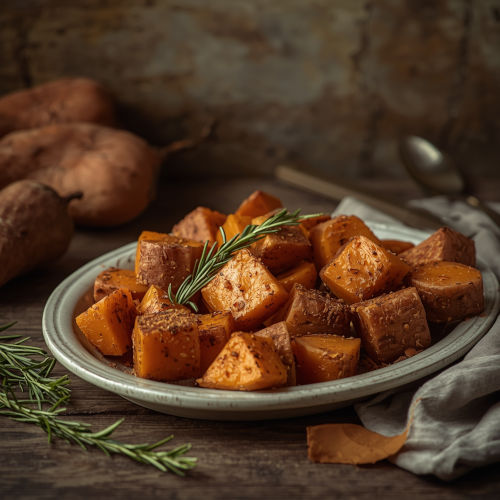
Roasted Sweet Potatoes with Cinnamon & Rosemary | Thanksgiving side dish | Bona Sanitas
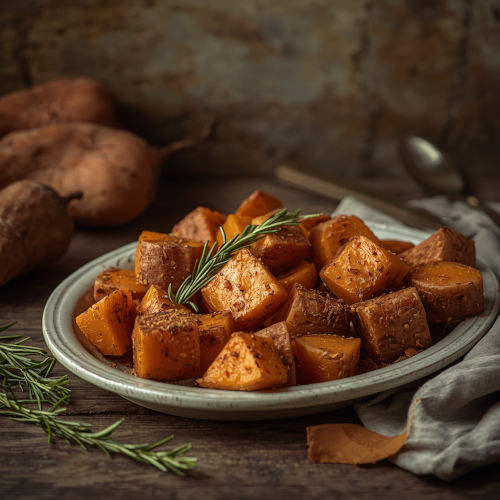
Introduction: Sweet Potatoes Done Right
Traditional Thanksgiving sweet potato casserole—you know the one. Canned sweet potatoes drowning in mini marshmallows, brown sugar, and butter, baked until the marshmallows achieve that perfect golden-brown crust. It’s nostalgic, undeniably delicious, and nutritionally somewhere between dessert and candy.
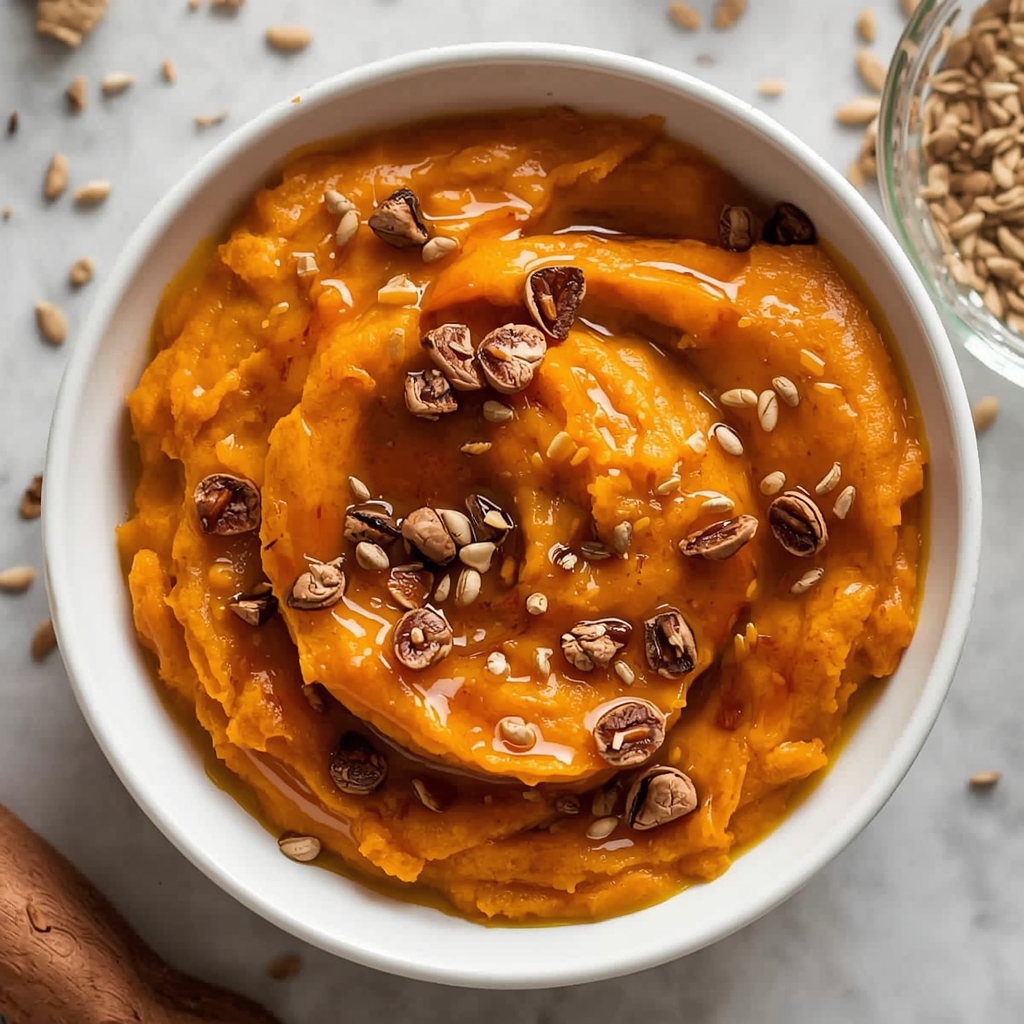
But here’s the truth: sweet potatoes don’t need all that sugar. They’re naturally sweet, packed with nutrients, and genuinely delicious when prepared thoughtfully. This roasted maple sweet potato puree proves that you can have a side dish that tastes indulgent while actually being good for you—no marshmallows, no refined sugar, no heavy cream, just pure sweet potato flavor enhanced with maple syrup, butter, and warming spices.
The secret lies in roasting rather than boiling. Roasting concentrates sweetness, develops complex caramelized flavors, and creates the perfect texture for smooth, creamy puree. A touch of real maple syrup amplifies natural sweetness without overwhelming. Cinnamon and nutmeg add warmth that feels quintessentially autumn. The result is a side dish that’s elegant enough for holiday entertaining, healthy enough to feel good about, and delicious enough that even marshmallow-casserole devotees will be impressed.
Whether you’re looking to lighten your Thanksgiving menu, accommodate health-conscious guests, or simply want sweet potatoes that taste like vegetables rather than dessert, this recipe delivers. It’s the kind of dish that makes you wonder why you ever needed all that extra sugar in the first place.
For more wholesome holiday side dishes, explore our healthy recipes collection featuring seasonal, nutrient-rich options.
Why This Recipe Works
Roasting vs. Boiling
The cooking method makes all the difference:
Roasting concentrates flavor: Dry heat evaporates moisture, concentrating sugars and intensifying sweet potato flavor. The longer, gentler cooking allows natural sugars to caramelize, developing complex, almost toffee-like notes.
Boiling dilutes flavor: Water-logged sweet potatoes absorb moisture, diluting their natural sweetness. They become watery, requiring more added sweeteners and fat to compensate. Boiled sweet potatoes also lack the depth of flavor that roasting provides.
Better texture: Roasted sweet potatoes have firmer, drier flesh that purees to silky smoothness. Boiled sweet potatoes can become gummy or stringy when mashed.
Nutrient retention: Roasting preserves more vitamins and minerals than boiling, where nutrients leach into cooking water that’s typically discarded.
Natural Sweetness Strategy
This recipe relies on inherent sweetness rather than adding excessive sugar:
Sweet potato selection: Orange-fleshed sweet potatoes (like Beauregard or Garnet varieties) are naturally quite sweet—sweeter than many people realize.
Roasting amplifies sweetness: The Maillard reaction and caramelization during roasting create hundreds of new flavor compounds, many of which taste sweet even though no sugar is added.
Maple syrup as enhancer: A modest amount of real maple syrup (not pancake syrup or artificial maple flavor) complements natural sweetness without dominating. It adds complexity and warmth rather than just sugar.
Spices create sweet perception: Cinnamon and nutmeg are associated with sweet flavors in our food culture. Their presence makes dishes taste sweeter even without additional sugar.
Ingredients You’ll Need
Main Components (Serves 8-10)
- 4 pounds (1.8kg) sweet potatoes: About 6-7 medium sweet potatoes. Choose orange-fleshed varieties for best color and sweetness. Look for firm potatoes without soft spots or sprouting.
- 3 tablespoons butter: Unsalted preferred. Adds richness and helps carry flavors. Can substitute with ghee for dairy-free Whole30 version, or use vegan butter for plant-based.
- 1/4 cup pure maple syrup: Grade A Dark Amber (formerly Grade B) has most robust flavor. Don’t use pancake syrup—it’s mostly corn syrup with artificial flavoring.
- 1/2 cup milk or cream: Whole milk, half-and-half, or heavy cream depending on desired richness. Can use unsweetened almond milk or coconut milk for dairy-free version.
- 1 teaspoon cinnamon: Ground cinnamon for warmth and perceived sweetness.
- 1/2 teaspoon nutmeg: Freshly grated is significantly better than pre-ground. Adds aromatic complexity.
- 1 teaspoon vanilla extract: Enhances sweetness perception and adds depth.
- 1 teaspoon salt: Essential for balancing sweetness. Don’t skip—sweet dishes need salt.
- 1/4 teaspoon black pepper (optional): Adds subtle complexity that makes other flavors pop.
Optional Toppings
- Toasted pecans: Roughly chopped, adds crunch and richness
- Extra maple drizzle: For serving
- Fresh herbs: Tiny sprigs of thyme or rosemary for elegant presentation
- Flaky sea salt: Finishing touch that elevates flavor
Step-by-Step Instructions
Roast the Sweet Potatoes
- Preheat oven to 400°F (200°C): Line a large baking sheet with parchment paper or aluminum foil for easy cleanup.
- Prepare sweet potatoes: Scrub potatoes clean but don’t peel. Pierce each potato several times with a fork—this allows steam to escape and prevents explosions. The skins will be removed after roasting when they slip off easily.
- Roast whole: Place potatoes directly on prepared baking sheet, leaving space between each. Roast 45-60 minutes depending on size. They’re done when completely tender—a knife should slide through with zero resistance, and they should feel very soft when gently squeezed (use an oven mitt).
- Alternative faster method: Halve potatoes lengthwise, place cut-side down on oiled baking sheet. Roast 30-40 minutes. This method is faster but produces slightly less concentrated flavor.
- Let cool slightly: Allow potatoes to cool for 10-15 minutes until comfortable to handle. Don’t skip this—trying to peel hot potatoes leads to burnt fingers.
Prepare the Puree
- Remove skins: Once cool enough to handle, skins should slip off easily. Discard skins. If any darker caramelized spots remain on the flesh, leave them—that’s concentrated flavor.
- Transfer to mixing bowl: Place peeled sweet potato flesh in a large bowl. You should have about 6-7 cups of roasted sweet potato.
- Mash initially: Use a potato masher or large fork to break down sweet potatoes into rough mash. This makes blending easier.
- Add remaining ingredients: Add butter (cut into pieces so it melts easily), maple syrup, milk, cinnamon, nutmeg, vanilla, salt, and pepper if using.
- Blend until smooth: Use an electric hand mixer, stand mixer with paddle attachment, or immersion blender. Beat on medium-high speed for 2-3 minutes until completely smooth and fluffy. The mixture will lighten in color and increase in volume as air is incorporated.
- Alternative method for ultra-smooth: Process in food processor in batches until silky. This creates the smoothest possible texture.
- Taste and adjust: This is critical. Taste the puree. Does it need more maple? More salt? More spice? Adjust now. Remember that flavors will mellow slightly when reheated.
Serve or Make Ahead
To serve immediately: Transfer to serving dish. If mixture seems too thick, thin with additional warm milk until desired consistency. Top with optional garnishes and serve hot.
To make ahead: Transfer to oven-safe baking dish, cover tightly with foil, and refrigerate up to 3 days. Reheat covered at 350°F (175°C) for 25-30 minutes until heated through, stirring once halfway. You may need to add a splash of milk to restore creaminess.
To freeze: Cool completely, transfer to freezer-safe container, freeze up to 3 months. Thaw overnight in refrigerator, then reheat as directed above.
Tips for Success
Sweet Potato Selection
Orange vs. white sweet potatoes: Orange-fleshed varieties (Garnet, Beauregard, Jewel) are sweeter and more vibrant. White sweet potatoes are less sweet and drier—better for savory preparations.
Size consistency: Choose potatoes of similar size for even roasting. If using different sizes, smaller ones will finish first—remove them and continue roasting larger ones.
Sweet potatoes vs. yams: In the U.S., what’s labeled “yams” in supermarkets are usually orange sweet potatoes. True yams are different vegetables entirely, rarely found in American stores. Use orange sweet potatoes for this recipe.
Achieving Perfect Texture
Don’t under-roast: Sweet potatoes must be very soft—fork-tender isn’t enough. They should be almost collapsing. Under-roasted potatoes create stringy, fibrous puree.
Remove all stringy bits: Sweet potatoes sometimes have fibrous strings. Remove any you encounter while mashing—they won’t blend smooth.
Blend thoroughly: Take time to blend until completely smooth. Rushing this step leaves lumps.
Add liquid gradually: Start with the stated amount of milk, then add more only if needed. It’s easier to thin puree than to thicken it.
Timing for Thanksgiving
Three days before: Roast and puree sweet potatoes. Refrigerate in covered container.
Thanksgiving morning: Transfer to baking dish.
Before serving: Reheat in oven while turkey rests. This timing works perfectly and frees up stove space.
Keeping warm: If ready before serving time, cover with foil and hold in 200°F (95°C) oven up to 30 minutes.
Variations and Adaptations
Flavor Variations
Bourbon Maple: Add 2 tablespoons bourbon with maple syrup for adult version. The alcohol cooks off, leaving warm, complex flavor.
Orange Spice: Add 2 tablespoons orange juice and 1 teaspoon orange zest. Reduce milk by 2 tablespoons.
Brown Butter: Brown the butter before adding—cook until golden and nutty. This adds incredible depth.
Cardamom-Ginger: Replace nutmeg with 1/4 teaspoon cardamom and 1/2 teaspoon fresh grated ginger for exotic warmth.
Savory Version: Omit maple syrup and sweet spices. Add roasted garlic, fresh herbs (rosemary, thyme), and finish with olive oil instead of butter.
Coconut: Use coconut milk instead of dairy, add 1/4 teaspoon coconut extract. Top with toasted coconut flakes.
Dietary Modifications
Vegan: Use vegan butter and non-dairy milk (oat, almond, or coconut work well). Ensure maple syrup is vegan (most are).
Paleo: Use ghee instead of butter, coconut milk instead of dairy milk.
Whole30: Omit maple syrup entirely (sweet potatoes are sweet enough) or use a tiny amount. Use ghee and compliant milk alternative.
Dairy-Free: Coconut milk creates richest texture for dairy-free version. Almond milk works but is thinner.
Lower Sugar: Reduce or omit maple syrup. The roasted sweet potatoes are genuinely sweet on their own.
Texture Variations
Chunky Mash: Mash with potato masher instead of blending smooth. Leave some texture for rustic presentation.
Whipped Sweet Potatoes: Add an extra 1/4 cup milk and whip longer on high speed for ultra-light, fluffy texture.
Loaded Sweet Potato Casserole: Transfer to baking dish, top with pecan streusel (pecans, oats, maple, butter), bake until topping is crispy.
Nutritional Benefits
Sweet Potato Nutrition
Sweet potatoes are nutritional powerhouses:
Vitamin A: One medium sweet potato provides over 400% of daily needs, primarily as beta-carotene. Essential for vision, immune function, and skin health.
Fiber: About 4 grams per medium potato supports digestive health and blood sugar regulation.
Vitamin C: About 35% of daily needs. Important for immune function and collagen production.
Potassium: More than bananas—about 540mg per medium potato. Supports heart health and blood pressure regulation.
Manganese: Important for metabolism and antioxidant function.
Complex carbohydrates: Provide sustained energy without blood sugar spikes like refined carbs.
Antioxidants: Beta-carotene, anthocyanins (in purple varieties), and other compounds that may reduce inflammation and disease risk.
This Recipe’s Nutrition
Per serving (about 3/4 cup):
- Approximately 180-200 calories
- 3-4g protein
- 4-5g fat (depending on butter and milk used)
- 35-38g carbohydrates
- 4-5g fiber
- Over 300% daily vitamin A
- Naturally gluten-free
Compare this to traditional marshmallow-topped sweet potato casserole, which can contain 300-400+ calories per serving with 40-50g added sugar. This version has about 12g natural sugars plus 4-5g added from maple syrup—a significant improvement.
Serving Suggestions
Perfect Pairings
This sweet potato puree complements savory mains beautifully:
Roasted turkey: Classic Thanksgiving pairing. The sweetness balances savory, herbed turkey.
Glazed ham: Sweet potatoes echo the sweetness of ham glaze while adding vegetable substance.
Pork roast or chops: Pork and sweet potato is a time-tested combination.
Beef roast: Provides sweet counterpoint to rich, savory beef.
Vegetarian mains: Pairs wonderfully with lentil loaf, mushroom Wellington, or stuffed squash.
Complete Thanksgiving Menu
Balance your holiday plate:
- Roasted turkey
- This maple sweet potato puree (naturally sweet)
- Green beans with garlic and lemon (bright, fresh)
- Roasted Brussels sprouts (savory, slightly bitter)
- Cranberry sauce (tart)
- Stuffing (savory, herby)
- Gravy (rich, umami)
This creates variety in flavors, textures, and nutritional profiles without overwhelming the table.
Storage and Leftovers
Storing
Refrigerate: Store in airtight container up to 5 days. Sweet potato puree keeps exceptionally well.
Freeze: Freeze in portions for up to 3 months. Thaw in refrigerator overnight before reheating.
Reheating
Oven (best for large amounts): Place in covered baking dish, reheat at 350°F (175°C) for 25-30 minutes, stirring once.
Microwave (quick for small portions): Microwave in covered dish, stirring every minute, until hot. Add splash of milk to restore creaminess.
Stovetop: Reheat in saucepan over medium-low heat, stirring frequently. Add milk as needed to prevent sticking.
Repurposing Leftovers
- Sweet potato pancakes: Mix with eggs, flour, and cinnamon. Pan-fry for breakfast.
- Muffins or bread: Use in place of pumpkin puree in baking recipes.
- Soup: Thin with vegetable broth, add curry spices for sweet potato soup.
- Bowl base: Use as base for grain bowls with roasted vegetables and protein.
- Baby food: Plain sweet potato puree (without added ingredients) is excellent for babies.

Frequently Asked Questions
Can I use canned sweet potato?
Not recommended. Canned sweet potato is water-logged and lacks the concentrated flavor of freshly roasted. The texture and taste won’t compare. Fresh sweet potatoes are worth the minimal extra effort.
Can I make this with regular potatoes?
Regular white potatoes have very different flavor and texture. This recipe is designed specifically for sweet potatoes. For regular potatoes, use classic mashed potato recipes.
Is this recipe too sweet for some people?
It’s moderately sweet—much less so than traditional marshmallow casserole. If serving very savory-preferring guests, you can reduce maple syrup to 2 tablespoons or omit entirely. The roasted sweet potatoes have enough natural sweetness.
Why did my puree turn out stringy?
Sweet potatoes weren’t roasted long enough. They must be very soft—almost collapsing—for smooth puree. Also remove any fibrous strings you encounter while mashing.
Can I prepare this the day before?
Absolutely. This is an excellent make-ahead dish. Prepare completely, refrigerate, then reheat before serving. It actually improves as flavors meld overnight.
My puree is too thick/too thin. How do I fix it?
Too thick: Gradually stir in warm milk until desired consistency. Too thin: Unfortunately harder to fix, but you can cook uncovered in oven for 15-20 minutes to evaporate excess moisture.
Conclusion: Sweet Potatoes Elevated
This roasted maple sweet potato puree proves that holiday side dishes can be both indulgent and wholesome. By focusing on proper cooking technique and letting natural sweetness shine, you create something that tastes special without relying on excessive sugar or artificial ingredients.
The beauty of this recipe lies in its flexibility. It’s fancy enough for Thanksgiving dinner yet simple enough for Tuesday night. It accommodates various dietary needs with easy modifications. It makes ahead beautifully, reducing holiday stress. And it genuinely tastes delicious—the kind of dish where people ask for seconds not realizing it’s actually good for them.
Most importantly, it respects sweet potatoes as the nutritional powerhouses they are. Rather than masking their flavor under marshmallows and brown sugar, this preparation enhances what’s already there—natural sweetness, creamy texture, vibrant color, and genuine vegetable character.
Here’s to side dishes that nourish as they delight, to sweet potatoes that shine rather than hide, and to proving that healthy and delicious aren’t opposites but partners. 🍠🍁✨
On the sweet potato healt benefits, see Healthline.
For more wholesome holiday recipes that don’t sacrifice flavor, explore our complete recipe collection featuring nutritious, seasonal dishes your whole family will love.