

Light Sweet Potato and Squash Gratin | A Thanksgiving Side Dish | Bona Sanitas

Introduction: The Gratin That Won’t Weigh You Down
Traditional potato gratin—layers of starchy potatoes drowning in heavy cream, butter, and cheese—is undeniably delicious. It’s also undeniably heavy, the kind of dish that makes you need a nap immediately after eating. On a Thanksgiving table already loaded with rich foods, classic gratin can tip the scales from indulgent to overwhelming.
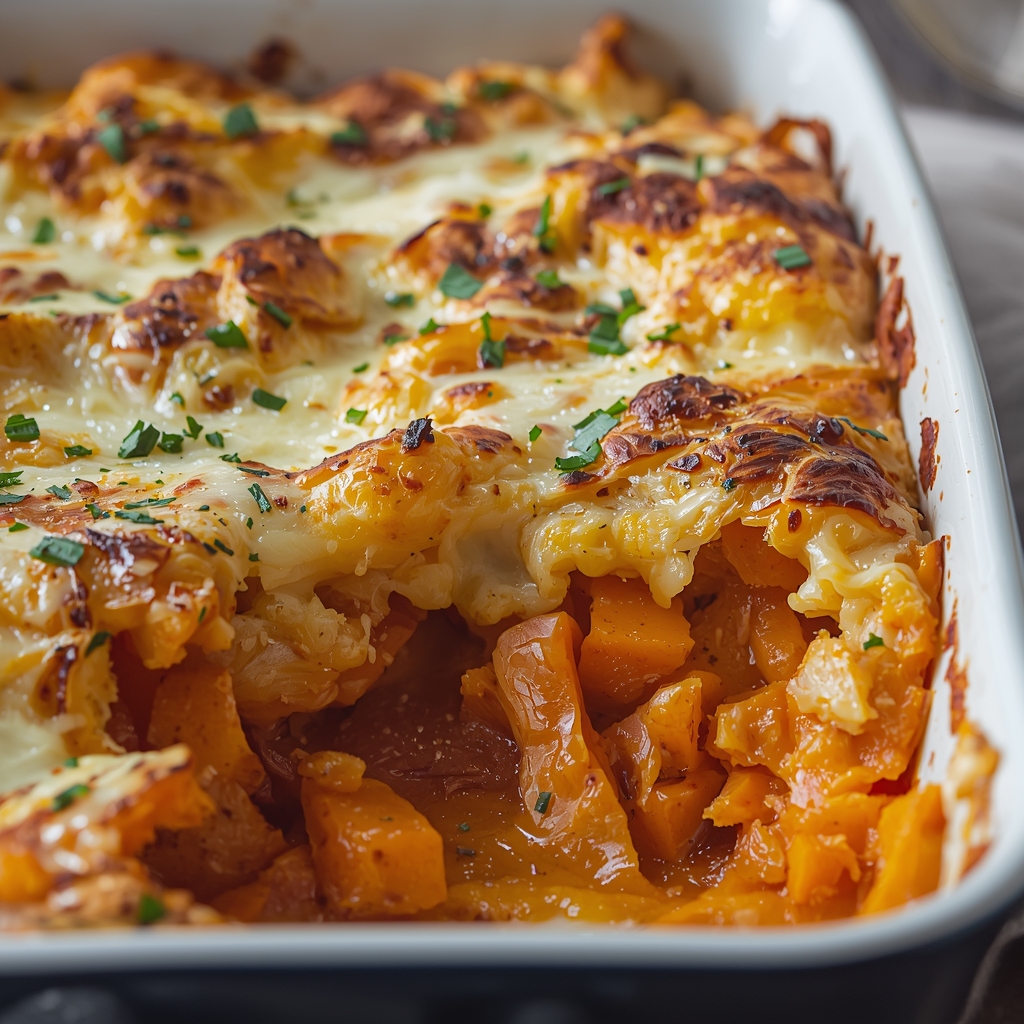
This sweet potato and squash gratin offers a lighter alternative without sacrificing the comfort and elegance that make gratins special. By combining naturally sweet vegetables (sweet potatoes and butternut squash), using less cream, and adding aromatic sage, we create a dish that’s creamy, golden, and satisfying—but won’t leave you in a food coma.
The sweet potatoes and squash bring natural sweetness and vibrant color. They’re also more nutritious than regular potatoes, packed with vitamin A, fiber, and antioxidants. A modest amount of cream and Gruyère cheese provides richness without excess. Fresh sage adds an earthy, autumnal flavor that feels quintessentially Thanksgiving. The result is a gratin you can feel good about serving and eating.
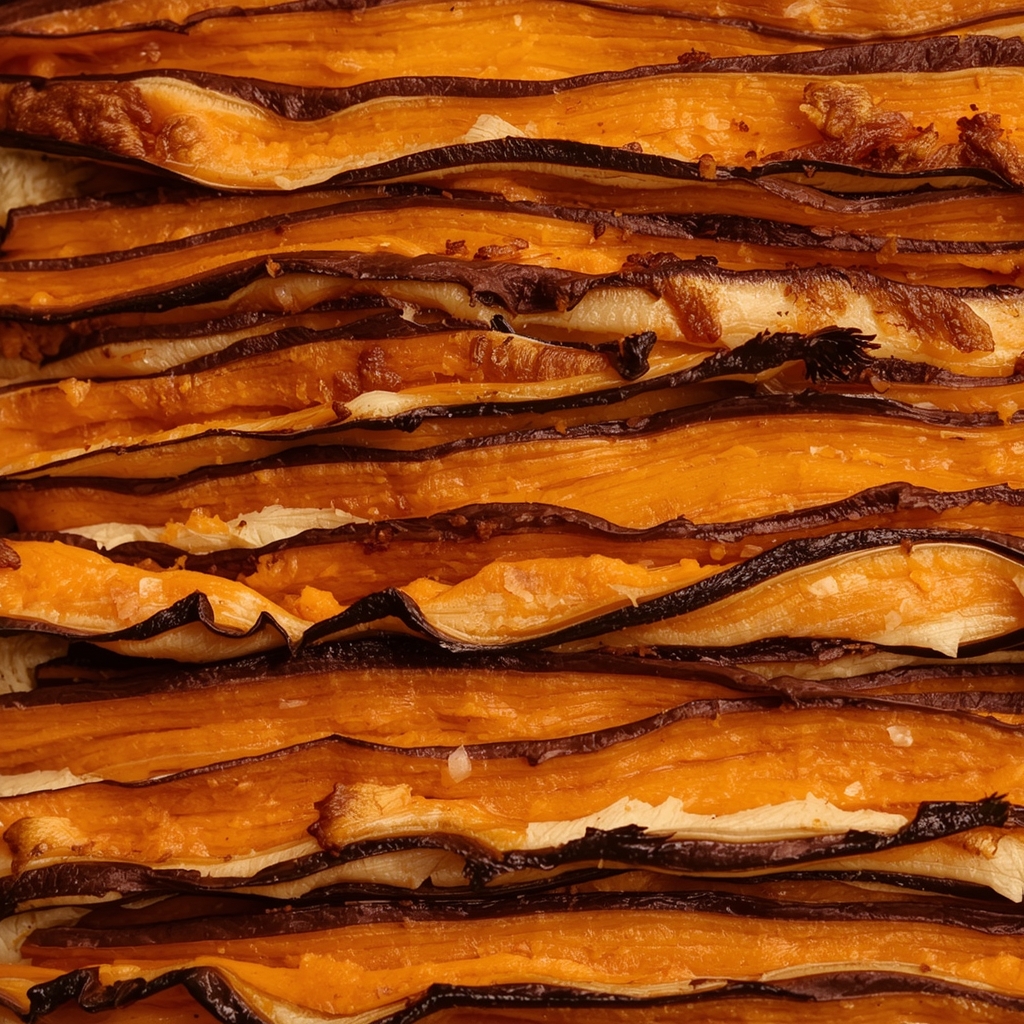
This dish looks impressive—those beautiful layers of orange and yellow vegetables create visual appeal worthy of a holiday table. Yet it’s surprisingly straightforward to prepare, especially if you use a mandoline for even slicing. It makes ahead beautifully, freeing up oven space and reducing day-of stress.
For more lightened holiday sides that don’t compromise on flavor, explore our healthy recipes collection featuring seasonal, nutritious dishes.
Why This Recipe Works
The Sweet Potato and Squash Combination
Using two vegetables instead of just potatoes creates complexity:
Complementary flavors: Sweet potatoes are deeply sweet and earthy. Butternut squash is sweet but also slightly nutty. Together, they create more interesting flavor than either alone.
Textural variety: Sweet potatoes hold their shape well during baking. Butternut squash becomes slightly more tender. This contrast prevents the gratin from being monotonous.
Visual appeal: The different shades of orange create beautiful striped layers that make the dish look elegant and intentional.
Nutritional boost: Both vegetables are rich in beta-carotene (vitamin A), fiber, and potassium. You’re getting more nutrients than white potato gratin.
The Lighter Cream Sauce
Traditional gratins use 2-3 cups of heavy cream. This version uses significantly less:
Less cream, more flavor: We compensate for reduced cream by maximizing other flavors—garlic, sage, nutmeg, and quality cheese. The result is still rich-tasting without being heavy.
Milk and cream combination: Using part whole milk instead of all heavy cream cuts calories and fat while maintaining creaminess.
Vegetables release moisture: Sweet potatoes and squash release liquid as they bake, creating sauce without needing excessive cream.
Cheese on top, not throughout: Concentrating cheese on top (where you taste it most) rather than mixing it throughout means you use less total cheese while still getting that gratifying golden, bubbly crust.
Sage: The Thanksgiving Herb
Fresh sage is essential to this dish:
Aromatic earthiness: Sage has a distinctive, slightly peppery, earthy flavor that complements sweet vegetables perfectly.
Thanksgiving association: Sage appears in traditional turkey stuffing, so its presence makes the gratin feel cohesive with the rest of the meal.
Cuts sweetness: The savory, herbal notes prevent the dish from tasting like dessert despite the sweet vegetables.
Ingredients You’ll Need
For the Vegetables (Serves 8-10)
- 2 pounds (900g) sweet potatoes: About 3 medium sweet potatoes. Orange-fleshed varieties preferred. Choose firm potatoes without soft spots.
- 2 pounds (900g) butternut squash: About 1 medium squash. Buy pre-peeled and cubed to save time, or peel and cube yourself. You’ll use the neck portion primarily—it’s easiest to slice evenly.
- 2 tablespoons fresh sage leaves, chopped: About 15-20 leaves. Don’t substitute dried sage—fresh is essential here.
- 3 cloves garlic, minced: Fresh garlic adds depth.
- Salt and black pepper: For seasoning layers. Don’t skimp—vegetables need generous seasoning.
For the Cream Sauce
- 1 cup (240ml) whole milk: Provides creaminess with less fat than all cream.
- 3/4 cup (180ml) heavy cream: Adds richness. Can use half-and-half for even lighter version, though texture won’t be quite as luxurious.
- 2 tablespoons butter: For sautéing aromatics and adding flavor to sauce.
- 2 tablespoons all-purpose flour: Thickens the sauce slightly so it clings to vegetables.
- 1/2 teaspoon salt: Or to taste.
- 1/4 teaspoon black pepper: Freshly ground preferred.
- 1/4 teaspoon nutmeg: Freshly grated is best. Adds warm, aromatic depth.
For Topping
- 1 cup (100g) Gruyère cheese, grated: Gruyère melts beautifully and has nutty, complex flavor. Can substitute with Swiss, Comté, or sharp white cheddar.
- 2 tablespoons grated Parmesan: Adds extra savory depth and helps create golden crust.
- 1 tablespoon butter, cut into small pieces: Dotted on top for golden, crispy finish.
- Fresh sage leaves for garnish (optional): A few whole leaves look beautiful on top.
Step-by-Step Instructions
Prepare the Vegetables
- Preheat oven to 375°F (190°C): Position rack in center of oven.
- Prepare baking dish: Butter a 9×13-inch (23x33cm) baking dish or similar 3-quart gratin dish. Set aside.
- Peel sweet potatoes: Use vegetable peeler to remove skins completely. Cut off ends.
- Prepare butternut squash: If using whole squash, cut off neck portion (save bulbous bottom for another use—it’s harder to slice evenly). Peel neck thoroughly. If using pre-peeled squash, cut into cylindrical shape for even slicing.
- Slice vegetables thinly: This is crucial for even cooking. Slice sweet potatoes and squash into 1/8-inch (3mm) rounds. A mandoline makes this quick and ensures uniform thickness. If cutting by hand, take your time—uneven slices cook unevenly.
- Keep slices separate: Place sweet potato slices in one bowl, squash in another. This makes layering easier.
Make the Cream Sauce
- Melt butter: In medium saucepan, melt 2 tablespoons butter over medium heat.
- Sauté aromatics: Add minced garlic and chopped sage. Cook, stirring, for 1-2 minutes until fragrant but not browned. The sage will release its oils and become aromatic.
- Make roux: Sprinkle flour over butter-garlic-sage mixture. Stir constantly for 1 minute. This cooks out the raw flour taste and creates base for sauce.
- Add liquids gradually: Slowly pour in milk, whisking constantly to prevent lumps. Then add cream, still whisking. The mixture will be thin at first.
- Season and simmer: Add salt, pepper, and nutmeg. Bring to gentle simmer, stirring frequently. Cook 3-4 minutes until sauce thickens slightly—it should coat the back of a spoon. It will thicken more as gratin bakes.
- Remove from heat: Set aside while you layer vegetables. If sauce gets too thick while waiting, thin with splash of milk.
Assemble the Gratin
- First layer: Arrange one layer of sweet potato slices in prepared baking dish, overlapping slightly like roof shingles. They don’t need to be perfect—rustic is fine.
- Season and sauce: Sprinkle with pinch of salt and pepper. Drizzle with about 1/4 cup of cream sauce, using spoon to spread evenly.
- Second layer: Add layer of butternut squash slices, overlapping similarly.
- Season and sauce: Again, sprinkle with salt and pepper, drizzle with sauce.
- Continue layering: Repeat alternating layers of sweet potato and squash, seasoning and saucing each layer, until all vegetables are used. You should have 6-8 layers total. Press down gently with spatula as you go to compact layers.
- Final sauce: Pour any remaining sauce over top, using spatula to spread evenly and push sauce down between layers.
- Top with cheese: Sprinkle Gruyère and Parmesan evenly over surface. Dot with small pieces of butter.
Bake to Golden Perfection
- Cover and bake: Cover dish tightly with aluminum foil. Bake 45 minutes. The foil traps steam, helping vegetables cook through.
- Uncover and continue baking: Remove foil. Bake additional 25-30 minutes uncovered until vegetables are completely tender when pierced with knife, sauce is bubbling around edges, and cheese is golden brown.
- Optional broil: For extra-golden, crispy top, broil for 2-3 minutes at the end. Watch carefully—cheese can burn quickly.
- Rest before serving: Let gratin rest 10-15 minutes after removing from oven. This allows sauce to thicken further and makes slicing cleaner. The gratin will still be hot after resting.
- Garnish and serve: Garnish with few fresh sage leaves if desired. Cut into squares and serve hot.
Tips for Success
Achieving Perfect Texture
Slice uniformly: This is the most important step. Uneven slices mean some pieces are mushy while others are still raw. A mandoline is worth the investment.
Don’t slice too thick: Thick slices take forever to cook through and create gummy texture. Aim for 1/8-inch (3mm)—about as thick as two quarters stacked.
Don’t skip the foil-covered bake: This steams the vegetables, ensuring they cook through before the top gets too brown.
Test for doneness: A sharp knife should slide through all layers with no resistance. If you feel any crunch or firmness, bake longer.
Maximizing Flavor
Season every layer: Each layer needs salt and pepper. Seasoning only the top or bottom means some bites are bland.
Use fresh sage: Dried sage tastes dusty and medicinal. Fresh sage is aromatic and slightly peppery. It’s worth seeking out.
Quality cheese matters: Real Gruyère has complex, nutty flavor. Pre-shredded cheese often contains anti-caking agents that prevent smooth melting. Grate cheese yourself.
Fresh nutmeg: Pre-ground nutmeg loses its aromatic oils quickly. Freshly grated (use a microplane) is significantly more fragrant.
Make-Ahead Strategy
Fully assemble ahead: Assemble entire gratin up to 24 hours in advance. Cover tightly with plastic wrap then foil, refrigerate. Add 10-15 minutes to baking time if starting from cold.
Prep components separately: Slice vegetables up to 1 day ahead, store in water in refrigerator to prevent browning. Make sauce ahead, refrigerate. Assemble day-of.
Freezing: Not recommended. Freezing and thawing breaks down the texture of both vegetables and cream sauce. The gratin becomes watery and grainy.
Variations and Adaptations
Flavor Variations
Thyme instead of sage: Fresh thyme is more delicate, less assertive. Use 1 tablespoon chopped thyme.
Rosemary version: Use 1 tablespoon finely chopped rosemary. Rosemary is strong—a little goes far.
Garlic-herb: Double the garlic, add mixture of parsley and thyme.
Spiced: Add 1/2 teaspoon cinnamon and pinch of cayenne for warmly spiced version.
Maple-glazed: Drizzle finished gratin with 2 tablespoons maple syrup before final 10 minutes of baking.
Vegetable Swaps
All sweet potato: Use 4 pounds sweet potato, no squash. Simpler but less complexity.
Add parsnips: Replace 1 pound sweet potato with parsnips for earthy sweetness.
Include regular potatoes: Use 1 pound Yukon gold potatoes, 1.5 pounds each sweet potato and squash for familiar potato gratin texture with sweet vegetable twist.
Dietary Modifications
Dairy-free/Vegan: Use coconut cream or cashew cream instead of dairy cream. Omit cheese or use vegan cheese alternative. Use olive oil instead of butter.
Lighter version: Use all milk (no cream) and reduce cheese to 1/2 cup. Still tasty, noticeably lighter.
Gluten-free: Use cornstarch or arrowroot instead of flour to thicken sauce. Use 1 tablespoon cornstarch.
Paleo: Omit flour and cheese. Use full-fat coconut milk instead of dairy. The sauce will be thinner but still delicious.

Nutritional Benefits
Sweet Potato and Squash Nutrition
Both vegetables are nutritional stars:
Vitamin A: Both extremely rich in beta-carotene, which body converts to vitamin A. One serving of this gratin provides 300-400% of daily needs.
Fiber: About 4-5 grams per serving supports digestive health and satiety.
Potassium: Supports heart health and blood pressure regulation. More potassium than bananas.
Vitamin C: Important for immune function, especially during cold season.
Antioxidants: Beta-carotene, anthocyanins (in sweet potatoes), and other compounds that may reduce inflammation.
Complex carbohydrates: Provide steady energy without blood sugar spikes.
This Recipe’s Nutrition
Per serving (1 cup):
- Approximately 220-250 calories
- 6-7g protein (from cheese and milk)
- 10-12g fat (mostly from cheese and cream)
- 28-32g carbohydrates
- 4-5g fiber
- 300-400% daily vitamin A
- Good source of calcium from cheese
Compare this to traditional potato gratin with heavy cream: 350-450 calories per serving with 20-25g fat. This version is significantly lighter while still feeling indulgent.
Serving Suggestions
Perfect Pairings
This gratin complements Thanksgiving mains beautifully:
Roasted turkey: The classic pairing. Sweet vegetables balance savory turkey.
Glazed ham: Sweet gratin echoes sweet glaze.
Herb-crusted pork loin: Sage in gratin mirrors herbs on pork.
Roasted chicken: For smaller, non-Thanksgiving gatherings.
As vegetarian main: Serve generous portions with green salad and crusty bread.
Complete Thanksgiving Menu
Balance your plate:
- Roasted turkey with gravy
- This sweet potato squash gratin (sweet, creamy)
- Green beans with garlic and lemon (fresh, bright)
- Cranberry sauce (tart)
- Dinner rolls
- Simple green salad
The gratin provides the creamy, comforting element without the heaviness of traditional potato gratin.
Storage and Reheating
Storing Leftovers
Refrigerate: Cover tightly with foil or transfer to airtight container. Refrigerate up to 4 days.
Portion before storing: Cut into individual servings before refrigerating. This makes reheating easier and faster.
Reheating
Oven (best method): Place gratin in baking dish, cover with foil, reheat at 350°F (175°C) for 20-25 minutes until heated through. Remove foil last 5 minutes to re-crisp top.
Microwave (quick but texture suffers): Microwave individual portions on 50% power for 2-3 minutes, stirring halfway. The cheese won’t be as crispy but it’s acceptable for quick lunch.
Refresh with cream: If gratin seems dry after refrigeration, drizzle with 1-2 tablespoons cream or milk before reheating.
Repurposing Leftovers
- Hash: Chop gratin, pan-fry with onions until crispy, top with fried egg for breakfast.
- Soup: Puree with vegetable broth for creamy sweet potato squash soup.
- Stuffed peppers: Use as filling for bell peppers, top with extra cheese, bake.
- Quesadillas: Mash gratin, spread in tortillas with cheese, grill until crispy.
Frequently Asked Questions
Can I use a different type of squash?
Yes. Acorn squash, kabocha, or even pumpkin work. Delicata squash has thin edible skin—you can leave it on for extra nutrients and texture.
Do I need a mandoline?
Not absolutely required, but highly recommended. Uniform slicing is crucial for even cooking. A sharp knife and patience can work, but mandoline is faster and more consistent.
My gratin is watery. What went wrong?
Likely didn’t bake long enough. Continue baking uncovered until most liquid has cooked off. Also, make sure vegetables are sliced thin enough to release moisture gradually.
Can I make this dairy-free?
Yes. Use coconut cream and vegan cheese or nutritional yeast. The texture will be slightly different but still delicious.
How do I know when it’s done?
A sharp knife should slide through all layers with zero resistance. Sauce should be bubbling and mostly absorbed. Cheese should be golden brown.
Can I assemble this the night before?
Absolutely. Assemble completely, cover tightly, refrigerate up to 24 hours. Add 10-15 minutes to baking time since starting from cold.
Conclusion: Comfort Without Compromise
This sweet potato and squash gratin proves that lighter doesn’t mean less delicious. By showcasing naturally sweet, nutrient-dense vegetables and using cream judiciously, we create a dish that delivers all the comfort and elegance of traditional gratin without the overwhelming richness.
The beautiful layers of orange vegetables, aromatic sage, and golden cheese crust make this gratin worthy of any holiday table. Yet it’s versatile enough for weeknight dinners, special enough for entertaining, and healthy enough to serve regularly without guilt.
Most importantly, it lets the vegetables shine. Sweet potatoes and butternut squash are genuinely delicious—they don’t need to be masked under pounds of cream and cheese. This preparation enhances their natural sweetness and creates satisfying creaminess while respecting their inherent flavor and nutrition.
Here’s to gratins that comfort without overwhelming, to vegetables that need no apology, and to proving that healthier choices can be every bit as satisfying as traditional indulgences. 🍠🎃✨
On the sweet potato healt benefits, see Healthline.
For more lightened holiday favorites that maintain all the flavor, explore our complete recipe collection featuring nutritious, seasonal dishes.