
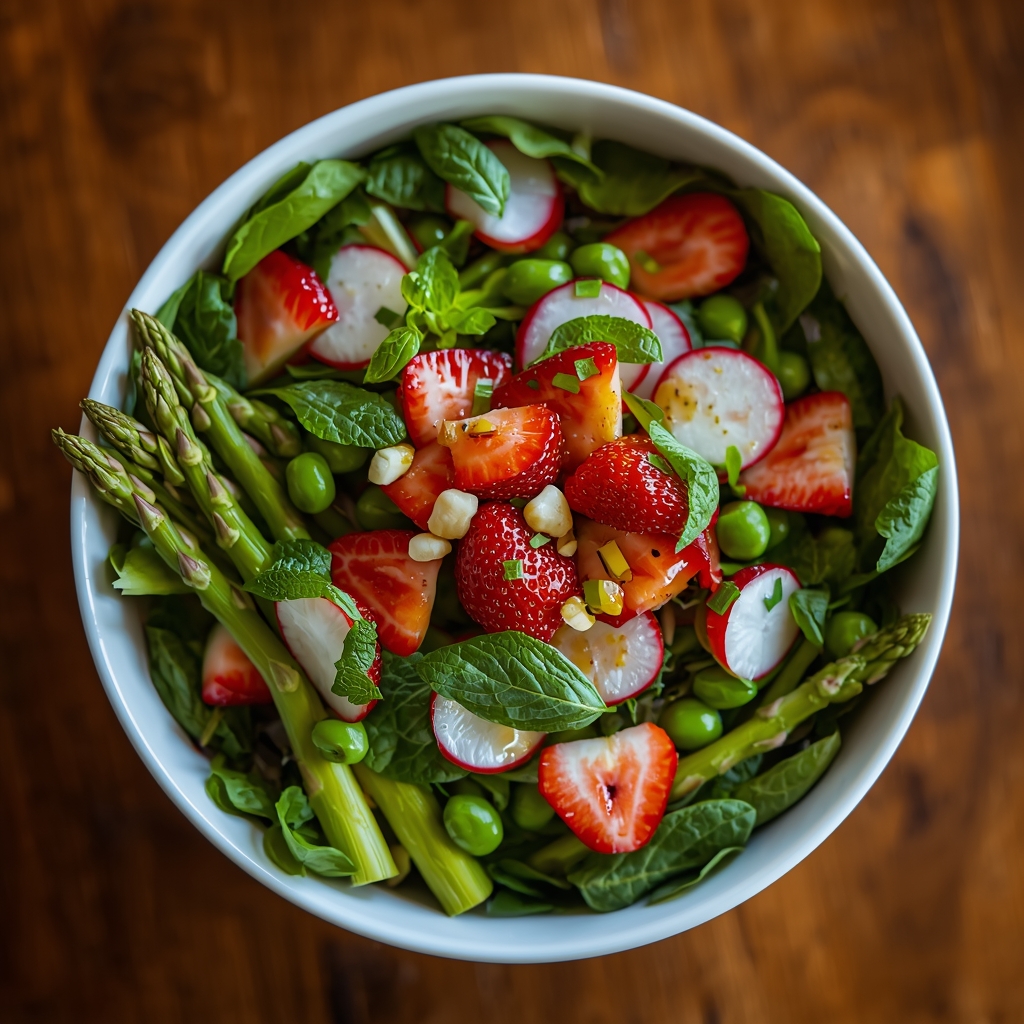
Spring Salad Complete Meal: Fresh & Nutritious Recipe | Bona Sanitas
Why Spring Salads Make Perfect Complete Meals
Spring arrives with an explosion of fresh flavors—tender asparagus, sweet peas, crisp radishes, and the first strawberries of the season. While many people think of salads as light appetizers or side dishes, a well-constructed spring salad can absolutely serve as a complete, satisfying meal that nourishes your body while celebrating the season’s best produce.
The key to transforming a salad from side dish to main course lies in balance. You need protein for satiety and muscle maintenance, healthy fats for nutrient absorption and sustained energy, complex carbohydrates for fuel, and of course, plenty of vegetables for vitamins, minerals, and fiber. When all these elements come together with seasonal spring ingredients, you create something magical—a meal that’s light enough to energize you but substantial enough to keep you satisfied for hours.
This Spring Salad Complete Meal delivers exactly that balance. It showcases the vibrant flavors of spring—asparagus, peas, radishes, fresh herbs, strawberries—while incorporating protein-rich ingredients and a nourishing homemade dressing. The result is a bowl of food that looks beautiful, tastes incredible, and provides complete nutrition in a single dish.
Perfect for lunch at your desk, a light dinner on warm spring evenings, or meal prep for the week ahead, this recipe proves that eating healthy doesn’t mean sacrificing flavor or satisfaction. And because it features seasonal produce at its peak, you’re getting maximum nutrients and flavor while supporting local farmers and reducing your environmental footprint.
For more seasonal recipe inspiration, explore our healthy recipes collection and discover our spring detox and renewal guide for more ways to embrace the season’s fresh energy.
The Nutritional Power of Spring Vegetables
Asparagus: The Spring Superfood
Asparagus signals spring’s arrival like no other vegetable. These tender spears are packed with folate, vitamins K and C, and fiber. They’re also one of the best vegetable sources of protein, providing about 3 grams per cup. Asparagus contains glutathione, a powerful antioxidant that supports detoxification—perfect for spring renewal.
The vegetable is also rich in prebiotic fiber that feeds beneficial gut bacteria, supporting digestive health and immune function. And despite its luxurious reputation, asparagus is remarkably low in calories—just 27 calories per cup while delivering impressive nutrition.
Peas: Sweet Spring Protein
Fresh spring peas are a revelation compared to their frozen counterparts. Sweet, tender, and vibrant green, they provide plant-based protein (8 grams per cup), fiber, and an impressive array of vitamins A, C, and K. Peas also contain saponins, compounds with anti-inflammatory and immune-boosting properties.
The natural sweetness of spring peas means they need minimal preparation—a quick blanch to brighten their color is often all they need. This preserves their delicate flavor and maximizes nutrient retention.
Radishes: Crisp and Cleansing
Often overlooked, radishes deserve recognition as a spring superfood. Their crisp texture and peppery bite add interest to salads while providing vitamin C, potassium, and compounds that support liver function and digestion. Radishes are also incredibly low in calories but high in water content, making them hydrating and filling.
Strawberries: Nature’s Spring Dessert
The first local strawberries of spring are incomparably sweet and fragrant. Beyond their delicious flavor, strawberries deliver massive amounts of vitamin C—more than oranges by weight. They’re rich in antioxidants called anthocyanins that support heart health and cognitive function. In salads, strawberries provide unexpected sweetness that balances savory and bitter elements beautifully.
The Complete Spring Salad Recipe
Ingredients (serves 2 as main course, 4 as side)
For the salad base:
- 6 cups mixed spring greens (arugula, baby spinach, butter lettuce)
- 1 bunch asparagus (about 12 spears), trimmed
- 1 cup fresh or frozen peas
- 6 radishes, thinly sliced
- 1 cup strawberries, hulled and quartered
- 1/2 English cucumber, ribboned or thinly sliced
- 1/4 cup fresh mint leaves, torn
- 1/4 cup fresh basil leaves, torn
- 2 tablespoons fresh chives, chopped
For the protein (choose one or combine):
- 8 oz grilled chicken breast, sliced
- OR 6 oz salmon fillet, grilled or baked
- OR 1 cup chickpeas, roasted until crispy
- OR 4 oz goat cheese, crumbled
- OR 2 hard-boiled eggs, halved
For the lemon-honey vinaigrette:
- 1/4 cup extra virgin olive oil
- 2 tablespoons fresh lemon juice
- 1 tablespoon raw honey
- 1 teaspoon Dijon mustard
- 1 small shallot, minced
- Sea salt and black pepper to taste
Optional toppings:
- 1/4 cup toasted almonds or sunflower seeds
- Shaved Parmesan cheese
- Edible flowers (pansies, nasturtiums) for garnish
Preparation Method
Step 1: Prepare the asparagus (10 minutes)
- Bring a pot of salted water to boil. Fill a bowl with ice water.
- Cut asparagus spears into 2-inch pieces on the diagonal.
- Blanch asparagus in boiling water for 2-3 minutes until bright green and tender-crisp.
- Immediately transfer to ice water to stop cooking and preserve color.
- Drain well and pat dry with paper towels.
Step 2: Prepare the peas (5 minutes)
- If using fresh peas, shell them (about 1 lb of pea pods yields 1 cup shelled peas).
- Blanch in the same boiling water for 1-2 minutes.
- Transfer to ice water, drain, and pat dry.
- If using frozen peas, you can skip blanching—just thaw and pat dry.
Step 3: Make the vinaigrette (5 minutes)
- In a small bowl or jar, combine lemon juice, honey, Dijon mustard, and minced shallot.
- Whisk or shake to combine.
- Slowly drizzle in olive oil while whisking constantly to emulsify.
- Season with salt and pepper to taste.
- Set aside to let flavors meld while you assemble the salad.
Step 4: Prepare your protein
For grilled chicken: Season chicken breast with salt, pepper, and olive oil. Grill over medium-high heat 6-7 minutes per side until internal temperature reaches 165°F. Rest 5 minutes, then slice.
For salmon: Season with salt, pepper, and lemon zest. Bake at 400°F for 12-15 minutes or grill skin-side down for 6 minutes, flip, and cook 4 more minutes.
For crispy chickpeas: Drain and rinse canned chickpeas. Pat very dry. Toss with 1 tablespoon olive oil and seasonings (cumin, paprika, salt). Roast at 425°F for 25-30 minutes, shaking pan halfway through, until golden and crispy.
For eggs: Place eggs in cold water, bring to boil, remove from heat, cover, and let sit 10 minutes. Transfer to ice bath, peel when cool.
Step 5: Assemble the salad
- In a large serving bowl, arrange the spring greens as the base.
- Distribute asparagus, peas, radish slices, cucumber, and strawberries over the greens.
- Scatter fresh herbs throughout.
- Add your chosen protein on top.
- Drizzle with vinaigrette (start with half, add more to taste).
- Add optional toppings—toasted nuts, Parmesan, edible flowers.
- Toss gently just before serving, or present composed and let each person dress their own portion.
Total time: 30-35 minutes

Nutritional Breakdown Per Serving
When made with grilled chicken as the protein, this complete meal salad provides approximately:
- Calories: 420-450
- Protein: 35g (supports muscle maintenance and satiety)
- Carbohydrates: 32g (primarily from vegetables and fruit, providing sustained energy)
- Fiber: 10g (supports digestive health and blood sugar regulation)
- Fat: 18g (mainly healthy fats from olive oil and optional nuts)
- Vitamin C: 150% of daily value (immune support, collagen production)
- Vitamin K: 200% of daily value (bone health, blood clotting)
- Folate: 45% of daily value (cell division, DNA synthesis)
- Potassium: 25% of daily value (heart health, blood pressure regulation)
This nutritional profile demonstrates why this salad works as a complete meal. The protein and fiber combination provides lasting satiety—you won’t feel hungry an hour later the way you might with a typical side salad. The healthy fats help your body absorb fat-soluble vitamins from the vegetables, particularly vitamins A and K.
The complex carbohydrates from peas and other vegetables provide steady energy without blood sugar spikes. And the massive dose of vitamins, minerals, and antioxidants supports everything from immune function to skin health to cognitive performance.
Variations and Substitutions
Seasonal Swaps
While this recipe celebrates spring, you can adapt it through the seasons:
Early Spring: When asparagus isn’t quite ready, use snap peas or sugar snap peas. Substitute arugula for some of the greens for peppery bite.
Late Spring: Add fresh fava beans (double-peeled for tenderness), baby artichoke hearts, or spring onions.
Summer transition: Include cherry tomatoes, fresh corn, or young zucchini ribbons. Swap strawberries for blueberries or peaches.
Protein Variations
Plant-based: Beyond chickpeas, try marinated baked tofu, edamame, or white beans. Quinoa adds both protein and texture—use 1 cup cooked quinoa per serving.
Seafood: Grilled shrimp (6-8 large shrimp per person) or seared scallops make luxurious additions. Canned tuna or salmon work for budget-friendly options.
Combination approach: Mix protein sources—goat cheese plus chickpeas, or egg plus salmon. This increases variety and nutritional diversity.
Dressing Alternatives
Creamy avocado-lime: Blend 1 ripe avocado, juice of 2 limes, 1/4 cup Greek yogurt, handful of cilantro, and water to thin.
Balsamic-strawberry: Puree 1/2 cup strawberries with 3 tablespoons balsamic vinegar, 1 tablespoon honey, and 1/4 cup olive oil.
Tahini-lemon: Whisk together 3 tablespoons tahini, juice of 1 lemon, 1 tablespoon maple syrup, and water to desired consistency.
Meal Prep and Storage Tips
Make-Ahead Strategy
This salad works beautifully for meal prep with proper technique:
Sunday preparation:
- Blanch asparagus and peas, store in airtight container up to 4 days
- Slice radishes and cucumbers, keep separate in containers with damp paper towel
- Wash and dry greens thoroughly, store in container with paper towels
- Make vinaigrette, store in jar up to 1 week
- Cook protein of choice, refrigerate up to 4 days
Assembly for grab-and-go:
- Use mason jars or containers with separate compartments
- Layer from bottom up: dressing, sturdy vegetables (cucumber, radishes), protein, peas and asparagus, greens on top
- Store strawberries and herbs separately, add just before eating
- When ready to eat, shake jar or flip container to distribute dressing
Storage notes:
- Assembled salad with dressing: consume within 24 hours
- Components stored separately: 3-4 days for optimal freshness
- Strawberries: add fresh each day, as they become soggy when pre-mixed
- Crispy chickpeas: store at room temperature in airtight container, add just before serving
Why This Salad Satisfies Like a Real Meal
The Protein Factor
Traditional salads often leave you hungry because they lack adequate protein. This recipe includes 30-35 grams per serving—equivalent to a chicken breast or salmon fillet. Protein triggers satiety hormones that signal fullness to your brain, preventing the “I just ate a salad but I’m still starving” phenomenon.
Protein also requires more energy to digest than carbohydrates or fats, meaning your body burns calories just processing it. And it helps maintain muscle mass, which is crucial for metabolism as we age.
The Fiber Advantage
With 10 grams of fiber per serving, this salad provides about one-third of your daily needs. Fiber slows digestion, which stabilizes blood sugar and extends the time you feel full. It also feeds beneficial gut bacteria, supporting overall health beyond just satiety.
The combination of soluble fiber (from peas and strawberries) and insoluble fiber (from greens and asparagus) provides comprehensive digestive benefits.
The Healthy Fat Component
The olive oil in the vinaigrette isn’t just for flavor—it’s essential for satisfaction and nutrition. Fats slow stomach emptying, keeping you full longer. They’re also required for absorbing fat-soluble vitamins A, D, E, and K from the vegetables.
Healthy fats support brain function, hormone production, and cell membrane integrity. The 18 grams in this salad are primarily monounsaturated fats from olive oil, the same heart-healthy fats celebrated in Mediterranean diets.
The Complexity Factor
This isn’t a bowl of lettuce with ranch dressing. The variety of textures—crisp radishes, tender asparagus, juicy strawberries, creamy goat cheese or protein—engages your senses and prevents flavor fatigue. Your brain registers this complexity as a “real meal” rather than a snack.
The combination of sweet (strawberries, peas), bitter (arugula), salty (cheese, dressing), and umami (protein) hits all taste receptors, creating complete satisfaction.
Pairing Suggestions

What to Serve Alongside
While this salad stands alone as a complete meal, you might want to add:
Bread: Crusty whole grain bread, sourdough, or seed crackers for additional substance and to soak up dressing.
Soup: A light spring soup like pea soup or asparagus soup creates an elegant lunch. The combination is restaurant-quality.
Grain: A small portion of quinoa, farro, or wild rice can be mixed into the salad or served on the side for those needing more carbohydrates (athletes, highly active individuals).
Beverage Pairings
Wine: A crisp Sauvignon Blanc or dry Rosé complements the spring vegetables and lemon vinaigrette beautifully. The wine’s acidity mirrors the dressing.
Non-alcoholic: Sparkling water with lemon and mint, iced green tea, or homemade strawberry-basil lemonade echo the salad’s fresh flavors.
For dinner: This salad pairs beautifully with light spring dishes from our healthy recipes collection.
The Environmental Benefits of Eating Seasonally
Choosing spring vegetables at their peak isn’t just about flavor and nutrition—it’s an environmental choice with real impact.
Reduced transportation: Seasonal produce often comes from local farms rather than being shipped from distant countries, reducing carbon emissions from transport.
Lower energy use: In-season vegetables don’t require heated greenhouses or extensive refrigeration during growing and storage.
Supporting local agriculture: Buying seasonal produce from farmers markets or local grocers keeps money in your community and helps small farms survive.
Better soil health: Farms that rotate crops seasonally maintain healthier soil, which sequesters carbon and supports biodiversity.
Less packaging: Local seasonal produce often requires minimal packaging compared to imported alternatives.
When you make this spring salad with local asparagus, peas, and strawberries, you’re participating in a food system that’s better for the planet while enjoying superior flavor and nutrition.
Frequently Asked Questions
Can I make this salad without the protein and still have it be filling?
The vegetables and dressing provide some protein and fat, but removing the main protein source significantly reduces satiety. If you want a plant-based option, definitely include chickpeas, beans, quinoa, or nuts to maintain the “complete meal” status. Without adequate protein, you’ll likely feel hungry within an hour or two.
How do I keep the greens from wilting if I’m making this ahead?
The key is keeping moisture away from greens until eating. Store thoroughly dried greens in a container lined with paper towels. Add dressing only when ready to eat. If meal prepping in jars, put dressing on the bottom, sturdy vegetables next, and greens on top—they won’t touch the dressing until you shake to mix.
Is this salad suitable for weight loss?
Absolutely. At 420-450 calories with 35g protein and 10g fiber, it provides excellent nutrition while controlling calorie intake. The protein and fiber combination promotes satiety, reducing overall calorie consumption throughout the day. The nutrient density means you’re getting maximum nutrition per calorie—exactly what you want for sustainable weight loss.
Can I use store-bought dressing instead of making my own?
You can, but homemade dressing tastes better and gives you complete control over ingredients. Many commercial dressings contain added sugars, preservatives, and unhealthy oils. Making vinaigrette takes 5 minutes and costs less than buying bottled versions. If you must use store-bought, look for options with simple, recognizable ingredients and minimal added sugar.
What if I can’t find fresh asparagus?
Asparagus season is short, typically March through June depending on location. Outside this window, substitute other spring vegetables like snap peas, green beans, or even roasted beets. The recipe is flexible—the key is using fresh, seasonal produce whatever that means in your region and time of year.
How can I make this more budget-friendly?
Use canned chickpeas or eggs instead of chicken or salmon. Buy whatever greens are on sale rather than specific varieties. Use frozen peas instead of fresh (they’re flash-frozen at peak ripeness and often more affordable). Make larger batches of components on sale—blanched asparagus freezes well for up to 3 months. The vinaigrette costs pennies to make compared to bottled dressing.
Conclusion: Spring on a Plate
This Spring Salad Complete Meal represents everything wonderful about the season—fresh flavors, vibrant colors, light but satisfying nutrition, and a sense of renewal after winter’s heavier foods. It proves that eating healthy doesn’t mean deprivation or tiny portions that leave you hungry. When you combine quality ingredients thoughtfully, a salad becomes a celebration.
The beauty of this recipe lies in its flexibility. Use it as a template and adapt based on what’s available at your farmers market, what’s in your garden, or what’s on sale at the grocery store. The core principles remain: combine fresh vegetables, quality protein, healthy fats, and a homemade dressing. The specific ingredients can vary infinitely.
As you make this salad throughout spring, you’ll notice how the ingredients evolve week by week. Early spring asparagus is thin and delicate. By late spring, the spears are thicker and more substantial. Strawberries go from tart to incredibly sweet as the season progresses. Peas are tender early on, becoming starchier later. This natural variation keeps the salad interesting even if you make it weekly.
Most importantly, this salad makes eating well easy and appealing. There’s no complicated cooking technique, no hard-to-find ingredients, no expensive equipment required. Just fresh produce, simple preparation, and a few minutes of assembly. It’s the kind of meal you can feel great about eating for lunch at your desk or serving to guests for a spring dinner party.
So visit your farmers market this weekend. Grab the freshest asparagus, sweetest strawberries, and most tender peas you can find. Spend 30 minutes in your kitchen, and create a meal that tastes like spring itself—fresh, vibrant, energizing, and absolutely delicious.
Here’s to eating with the seasons, nourishing your body beautifully, and celebrating the incredible flavors that spring brings to our tables. 🌸🥗
For more seasonal eating inspiration and healthy meal ideas, explore our complete collection of nutritious recipes designed to help you eat well year-round.