
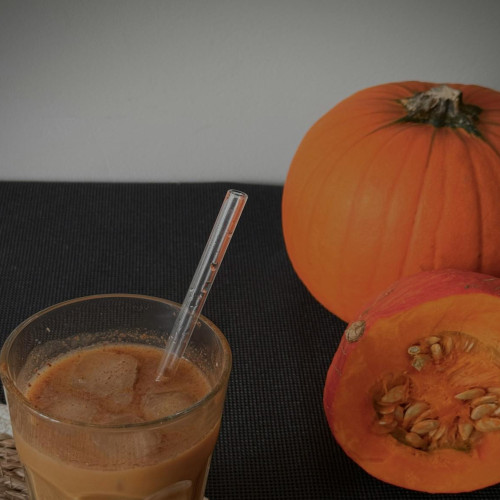
Pumpkin Power Smoothie Bowl – A Healthy Halloween Treat | Bona Sanitas
Pumpkin Power Smoothie Bowl – A Healthy Halloween Treat
Halloween is one of the most festive seasons of the year, but it’s often synonymous with sugar-loaded candy and energy crashes. At Bona Sanitas, we believe that seasonal celebrations can be both joyful and nourishing — and this Pumpkin Power Smoothie Bowl proves exactly that. Creamy, warming, and packed with autumn flavors, it delivers all the excitement of the season without a single gram of refined sugar.
This recipe has quickly become a favorite in our healthy recipes collection because it strikes the perfect balance between festive indulgence and genuine nutritional value. The vibrant orange hue, the fragrance of cinnamon and nutmeg, the satisfying thickness of the bowl — it looks like a treat but nourishes like a whole meal. Whether you serve it for a Halloween morning, a weekend autumn brunch, or as a post-workout recovery bowl, it delivers.
The best part is how effortless it is. With five minutes and a blender, you have a breakfast or snack that is rich in beta-carotene, dietary fiber, plant-based protein, and warming spice compounds. It is also endlessly customizable — adaptable to vegan, dairy-free, or higher-protein versions with minimal adjustments.
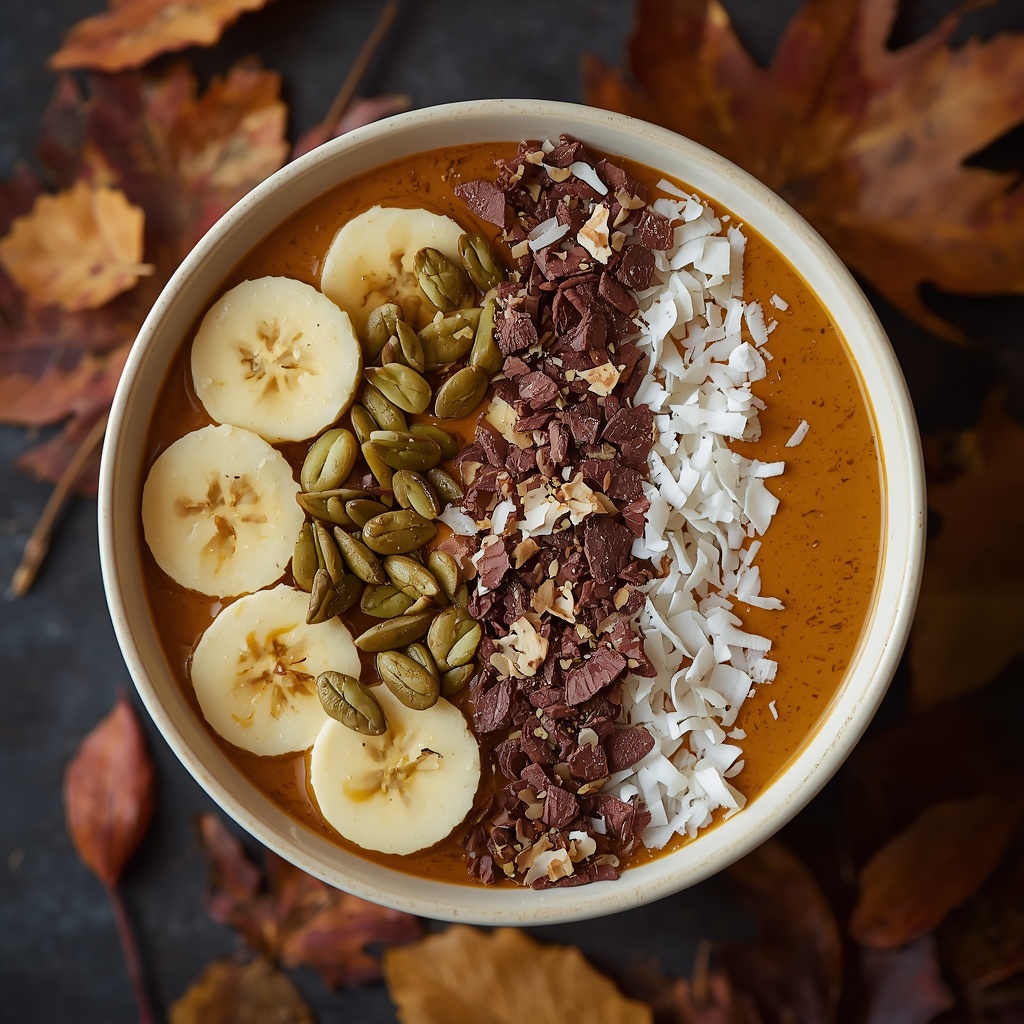
This guide covers everything you need to know: the nutritional science behind pumpkin as an autumn superfood, the role of each ingredient, detailed preparation instructions, topping ideas, and practical tips for making this recipe a seasonal staple from October through December.
Why Pumpkin Is One of Autumn’s Most Nutritious Ingredients
Pumpkin tends to be celebrated for its visual appeal and seasonal flavor before its nutritional credentials — but those credentials are genuinely impressive. Pumpkin purée is one of the richest dietary sources of beta-carotene, the orange pigment that the body converts to vitamin A. A single half-cup serving of unsweetened pumpkin purée delivers over 100% of the recommended daily value of vitamin A for most adults.
Vitamin A is essential for vision, particularly low-light and color vision, and plays a central role in immune function, skin cell renewal, and the health of mucous membranes — the body’s first line of defense against pathogens. As temperatures drop and cold and flu season begins, the immune-supporting properties of vitamin A make pumpkin a particularly timely ingredient.
Beyond beta-carotene, pumpkin provides meaningful amounts of vitamin C, potassium, and dietary fiber. Vitamin C supports collagen synthesis, antioxidant defense, and immune response. Potassium helps regulate blood pressure and fluid balance. Fiber supports digestive regularity, feeds beneficial gut bacteria, and contributes to satiety — keeping you full and satisfied well past breakfast. Research from institutions like the Harvard T.H. Chan School of Public Health consistently links high vegetable consumption, including orange-fleshed vegetables like pumpkin, with lower risk of chronic disease.
Pumpkin is also unusually low in calories relative to its nutrient density. Half a cup of purée contains approximately 40 calories, making it an excellent ingredient for meals that need to be satisfying and nutritious without being calorie-heavy. This is part of what makes it such a natural fit for a smoothie bowl that works for breakfast, snack time, or a light post-workout meal.
Key Ingredients and Their Nutritional Contributions
Every element of this bowl has been selected for both flavor and function. Here is what each ingredient brings to the recipe:
Pumpkin purée provides the nutritional foundation — beta-carotene, vitamin C, potassium, and fiber — as well as the characteristic autumnal flavor and the deep orange color that makes this bowl visually striking. Use unsweetened canned pumpkin or freshly roasted and blended pumpkin for the cleanest flavor.
Frozen banana is the texture key. Blended from frozen, it creates the thick, creamy, almost ice-cream-like consistency that distinguishes a smoothie bowl from a regular smoothie. It also contributes natural sweetness, potassium, and resistant starch — a type of fiber that feeds beneficial gut bacteria and supports stable blood sugar levels.
Greek yogurt or plant-based yogurt adds protein, calcium, and probiotics. The protein content helps make the bowl more satiating, while probiotics support gut microbiome diversity. Plant-based yogurts made from coconut, soy, or cashew provide similar creaminess and can be fortified with calcium and vitamin D to match the nutritional profile of dairy versions.
Cinnamon and nutmeg are more than seasonal flavoring. Cinnamon contains polyphenols that have been associated in research with improved insulin sensitivity and blood sugar regulation after meals. Nutmeg provides small amounts of manganese and antioxidant compounds. Both spices contribute warming, aromatic depth that makes the bowl feel genuinely festive.
Chia seeds or ground flaxseed add soluble fiber, omega-3 fatty acids (as alpha-linolenic acid), and plant-based protein. Soluble fiber from chia seeds absorbs liquid and thickens the base further, contributing to that satisfying bowl texture. Both chia and flax also provide lignans, a class of phytoestrogens with antioxidant properties. As noted by nutritional research on chia seeds, their fiber content is particularly effective at promoting fullness and supporting digestive health.
Almond milk provides the liquid base. Use just enough to get the blender moving — for a bowl, you want a much thicker consistency than a drinkable smoothie. Start with a small amount and add gradually until the blender runs smoothly but the result is still very thick.
Maple syrup is entirely optional. The frozen banana and pumpkin provide natural sweetness that most people find sufficient. A small drizzle of maple syrup adds a pleasant depth of flavor if desired, with the added benefit of trace minerals like manganese and zinc compared to refined sugar.
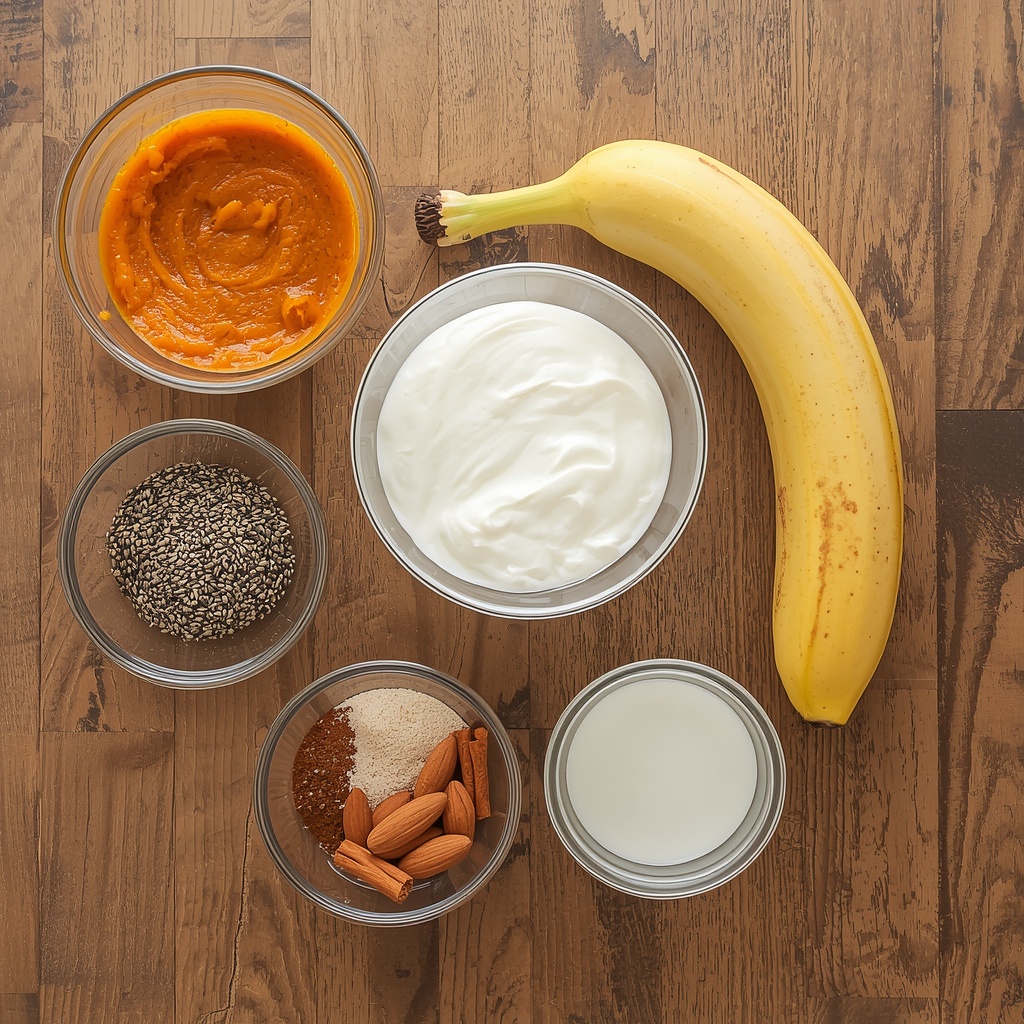
Ingredients
For 2 servings:
- ½ cup (125g) unsweetened pumpkin purée, canned or freshly roasted
- 1 large frozen banana, broken into pieces
- ½ cup (120g) plain Greek yogurt or unsweetened plant-based yogurt
- ½ teaspoon ground cinnamon
- 1 pinch of ground nutmeg
- 1 tablespoon chia seeds or ground flaxseed
- ¼ to ½ cup (60–120ml) unsweetened almond milk, added gradually
- Optional: 1 teaspoon maple syrup or raw honey for added sweetness
Suggested toppings:
- 2 tablespoons raw or toasted pumpkin seeds
- ½ banana, thinly sliced
- 2 tablespoons unsweetened coconut flakes
- 1 tablespoon cacao nibs or 85% dark chocolate chips
- Optional: a drizzle of almond butter or tahini
- Optional: a light dusting of cinnamon or cacao powder for decoration
Preparation
Step-by-step instructions:
- Prepare your ingredients: Ensure the banana is fully frozen — this is critical for the thick, creamy bowl texture. If you are using fresh banana, slice and freeze for at least four hours or overnight before making this recipe. Have your toppings ready before blending so you can serve immediately.
- Add base ingredients to blender: Place the pumpkin purée, frozen banana pieces, and Greek yogurt into the blender first. These provide the bulk and structure of the bowl.
- Add seasonings and seeds: Sprinkle in the cinnamon, nutmeg, and chia seeds or ground flaxseed. If using maple syrup or honey, add it at this stage.
- Add liquid sparingly: Begin with just ¼ cup of almond milk. The goal is the thickest possible blend — much thicker than a drinkable smoothie. Add more milk one tablespoon at a time only if the blender struggles to process the mixture.
- Blend on high: Process for 45–60 seconds until completely smooth. Stop and scrape down the sides if needed. The final consistency should be thick enough to hold toppings without them sinking — similar to soft-serve ice cream.
- Taste and adjust: Sample the base and adjust as needed: a little more cinnamon for warmth, a small drizzle of maple syrup for sweetness, or an extra pinch of nutmeg for spice depth.
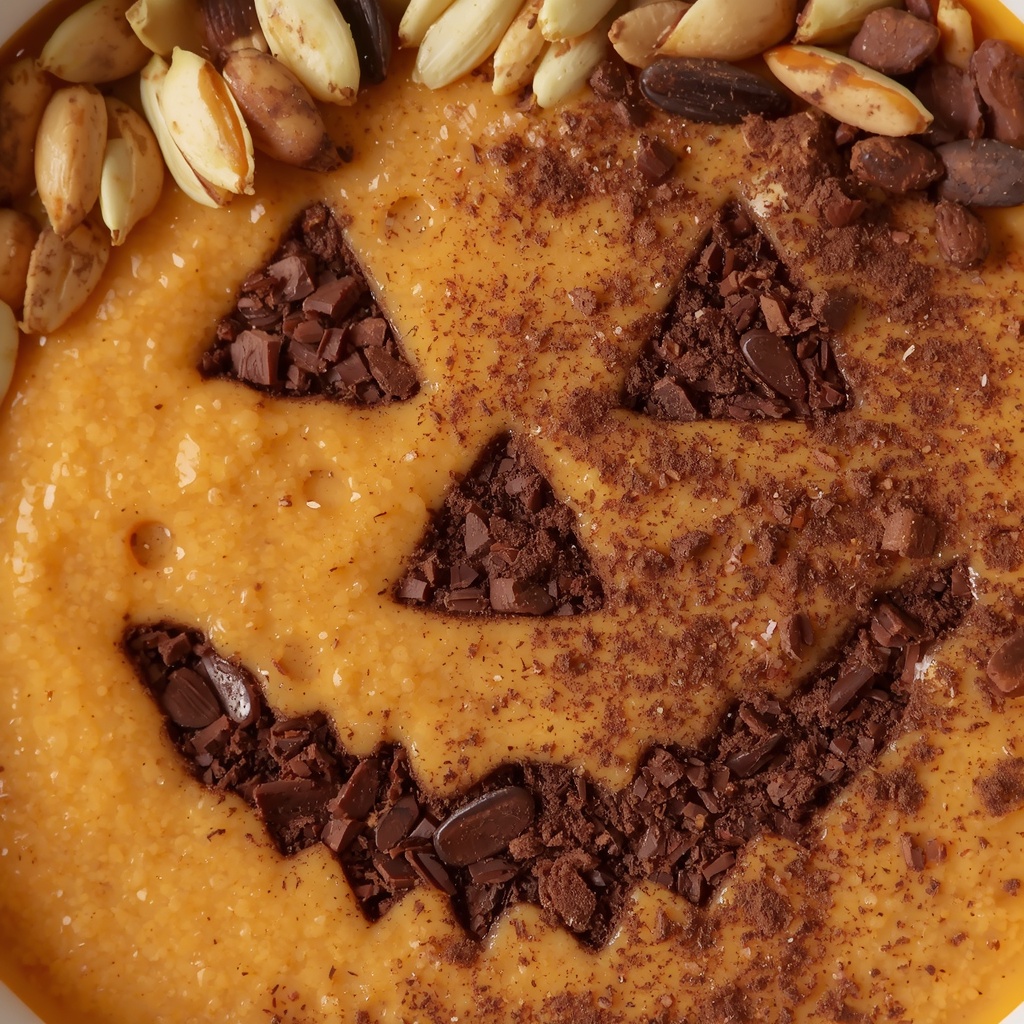
- Pour and decorate: Divide between two wide bowls. Arrange toppings decoratively: scatter pumpkin seeds, place banana slices in a fan, sprinkle coconut flakes and cacao nibs. For a Halloween touch, use a small sieve to dust a light layer of cacao powder over a pumpkin-shaped stencil.
- Serve immediately: Smoothie bowls are best eaten right away, before the base begins to soften and the toppings lose their crunch.
Total time: 5 minutes (plus banana freezing time if needed)
Nutritional Profile and Health Benefits
One serving of this pumpkin smoothie bowl (base only, before toppings) provides approximately 180–220 calories, depending on whether maple syrup is used and the yogurt choice. Adding a standard topping selection brings the total to approximately 300–350 calories — a well-balanced, satisfying breakfast or substantial snack.
The macronutrient breakdown is favorable: natural carbohydrates from pumpkin, banana, and a small amount from yogurt; plant-based protein from yogurt, chia seeds, and pumpkin seeds in the toppings; and healthy fats from chia, pumpkin seeds, and coconut flakes. This combination supports stable energy over several hours rather than a sharp energy spike and subsequent crash.
Micronutrient highlights per serving include over 100% of daily vitamin A needs (from pumpkin beta-carotene), meaningful amounts of vitamin C, potassium, calcium, and magnesium, plus omega-3 fatty acids from chia or flax. The cinnamon contributes polyphenols that support post-meal blood sugar management, making this bowl an especially thoughtful choice for those monitoring glycemic response.
From a digestive health perspective, the combined fiber from pumpkin, banana, and chia seeds provides both soluble and insoluble fiber types, supporting regularity and microbiome diversity. The probiotics in yogurt complement this fiber content by contributing beneficial bacteria that work alongside dietary fiber to support gut health.
Topping Ideas and Creative Variations
One of the most enjoyable aspects of smoothie bowls is the freedom to customize toppings based on mood, season, and nutritional goals. Here are some approaches worth exploring:
Classic autumn topping set: Toasted pumpkin seeds, thin banana slices, a drizzle of almond butter, cinnamon dusting, and a few dark chocolate chips. This is the most versatile combination — warming, satisfying, and visually beautiful.
Higher protein version: Add a scoop of vanilla plant-based protein powder to the base blend, and top with hemp seeds, a spoonful of Greek yogurt, and chopped walnuts. This turns the bowl into a substantial post-workout recovery meal.
Tropical autumn fusion: Replace half the pumpkin with mango purée for a lighter, more tropical flavor. Top with passion fruit, macadamia nuts, and shredded coconut. The spices still work beautifully against the sweeter, brighter fruit flavors.
Kid-friendly Halloween version: Use a Halloween-themed stencil to dust shapes in cacao powder over the surface. Top with banana ghosts (sliced banana rounds with mini dark chocolate chip eyes), pumpkin seed jack-o’-lanterns, and coconut flake spider webs. This approach makes the bowl genuinely fun for children while keeping every ingredient wholesome.
Grain-based warming version: Blend 2–3 tablespoons of cooked rolled oats into the base for extra substance and a slightly different texture. Top with chopped dates, a few pecans, and a drizzle of maple syrup. This version is particularly satisfying on cold mornings.
For more seasonal recipe ideas and year-round wellness inspiration, explore our full recipes collection and our wellness tips section.
Serving Suggestions and Seasonal Context
While this smoothie bowl was designed with Halloween in mind, its appeal extends throughout the entire autumn and winter season. Pumpkin purée is widely available year-round in canned form, and the warming spice profile — cinnamon, nutmeg, a whisper of ginger or cardamom if you choose to experiment — suits any cold-weather morning.
As a breakfast, this bowl pairs well with a warm herbal tea or a small black coffee. The fiber and protein content provides sustained morning energy, making it a practical choice for busy weekdays as well as leisurely weekend brunches. For children, the visual appeal of the decorative toppings often encourages enthusiasm for ingredients — like pumpkin — that might otherwise face resistance.
For adults who enjoy a more savory morning profile, a small pinch of smoked paprika in the base blend creates an interesting contrast with the sweet toppings and the natural sweetness of the pumpkin. It is unconventional but worth trying.
This bowl also works as a nutritious pre-workout snack consumed 60–90 minutes before exercise. The carbohydrates from banana and pumpkin provide readily available fuel, while the protein from yogurt supports muscle performance. The fiber content is moderate enough to avoid digestive discomfort during activity.
Embracing Seasonal Eating as a Wellness Practice
One of the most effective and enjoyable approaches to healthy eating is aligning food choices with the natural rhythm of the seasons. Autumn offers an abundance of deeply nutritious produce — pumpkin, squash, sweet potato, apple, pear, beetroot, kale — that arrives naturally at the time of year when the body benefits most from their nutrient profiles. The warming, immune-supporting, and energy-sustaining qualities of autumn vegetables correspond with the body’s need to adapt to cooler temperatures and shorter days.
Seasonal eating also offers practical benefits beyond nutrition. Produce that is in season is typically fresher, more flavorful, and more affordable than out-of-season alternatives that have traveled long distances. Pumpkin, in particular, stores exceptionally well — a whole pumpkin can sit in a cool, dry place for several months, making it a reliable and economical ingredient throughout the autumn and winter months.
From a wellness perspective, building a repertoire of simple, seasonal recipes creates a natural structure for healthy eating that does not depend on willpower alone. When you have a handful of go-to recipes that are genuinely enjoyable, made from ingredients that are readily available, and take under ten minutes to prepare, healthy choices become the path of least resistance. This Pumpkin Power Smoothie Bowl is designed to be exactly that: a reliable seasonal staple that fits into real mornings without elaborate preparation or hard-to-find ingredients.
Pair this smoothie bowl with other autumn wellness habits — a short morning walk in the cool air, adequate hydration as indoor heating reduces ambient humidity, and an early wind-down in the evening to take advantage of longer nights — and you create a genuinely supportive seasonal routine. Our wellness practices collection explores seasonal approaches to nutrition and daily wellbeing in more depth.
Practical Tips and Frequently Asked Questions
Can I use fresh pumpkin instead of canned? Yes, and the flavor is often richer. Halve a small sugar pumpkin (pie pumpkin), scoop out the seeds, roast cut-side down at 375°F (190°C) for about 45 minutes until tender, then scoop out and blend the flesh until smooth. Cool completely before using in this recipe. Store leftover roasted pumpkin purée in the refrigerator for up to five days or freeze in half-cup portions.
How do I get the bowl thick enough? The two most important factors are using a fully frozen banana and adding liquid very sparingly. If the bowl comes out too thin, add more frozen banana and reblend. If you consistently struggle with thickness, reduce the almond milk to just 2–3 tablespoons — sometimes barely any liquid is needed if the blender is powerful.
Is this recipe suitable for young children? Yes, with a few adjustments. Omit the maple syrup if serving to children under one year old, and skip cacao nibs if preferred. The base ingredients are all appropriate for toddlers and older children. The visual creativity with toppings often makes this bowl especially appealing for young eaters.
Can I meal prep this recipe? The base blend can be stored in a sealed jar in the freezer, portioned individually, and thawed in the refrigerator overnight. The texture softens slightly but remains pleasantly thick. Add toppings fresh just before serving. This makes it a viable option for weekday mornings when time is limited.
What makes this recipe Halloween-specific? Primarily the color, the seasonal flavors, and the opportunity for creative decoration. The vibrant orange base, the warming spices, and the pumpkin seed toppings naturally evoke the season. Outside of Halloween, this bowl is equally at home as a general autumn breakfast or a festive addition to a Thanksgiving or fall gathering spread.
At Bona Sanitas, we believe that healthy eating should feel joyful rather than restrictive. This Pumpkin Power Smoothie Bowl embodies that philosophy: it is visually delightful, genuinely nourishing, and accessible to almost everyone. Explore more recipes like this in our collection of wellness recipes, and discover the broader habits that support year-round vitality in our collection of wellness practices. You might also enjoy our full recipes archive for more seasonal inspiration throughout the year.