

Post-New Year’s Detox: Regain Your Vitality Naturally | Bona Sanitas

Post-New Year’s Detox: Regain Your Vitality Naturally
The celebrations are over. The champagne glasses have been cleared, the holiday plates stacked away, and somewhere between the festivities of late December and the first quiet days of January, many of us find ourselves carrying a familiar weight — fatigue that lingers longer than it should, a digestive system that feels congested, a complexion that lacks its usual brightness, and a general sense that the body would appreciate some kindness and a gentler pace. This is a completely normal physiological response to the accumulated effects of richer food, disrupted sleep, increased alcohol, and reduced movement that accompany the holiday season.
What is not normal — and not supported by science — is the extreme response that the detox industry promotes every January: rigid juice fasts, aggressive elimination diets, expensive supplements, and dramatic protocols that promise to “cleanse” the body of toxins in days. Your liver, kidneys, intestines, lungs, and skin already perform sophisticated, continuous detoxification processes. They do not need a five-day juice cleanse. What they do benefit from is nutritional support, adequate hydration, digestive rest, and gentle movement that makes their existing work easier rather than overwhelming them with additional stress. For more guidance on year-round wellness habits, visit our wellness practices collection.
This three-day plan takes that evidence-based approach. It is nourishing rather than restrictive, practical rather than punishing, and built around food and habits that genuinely support the body’s natural recovery mechanisms. By the end of three days, most people feel meaningfully better — lighter, more energized, sleeping more soundly, and with digestion that has returned to its baseline. The goal is not transformation but restoration: returning to the version of yourself that felt good before the holidays, and perhaps building a few habits worth keeping into the new year.
Understanding What “Detox” Actually Means
The word detox has been so thoroughly colonized by marketing language that it has largely lost its physiological meaning. In the wellness industry, it tends to mean any restrictive or cleansing protocol. In actual physiology, detoxification refers specifically to the processes by which the body identifies, neutralizes, and eliminates potentially harmful substances — from environmental pollutants and food additives to alcohol metabolites and the natural byproducts of cellular metabolism.
The primary organs of this system are the liver (which performs two-phase biotransformation of fat-soluble toxins into water-soluble compounds that can be excreted), the kidneys (which filter blood and eliminate water-soluble waste through urine), the intestines (which prevent absorption of harmful substances and excrete bile-bound compounds), the lungs (which exhale volatile compounds and carbon dioxide), and the skin (which eliminates some waste products through sweat). This system operates continuously and effectively in a healthy body.
The meaningful question after holiday excesses is therefore not how to detox the body but how to best support these existing systems. Research from institutions including the Harvard T.H. Chan School of Public Health indicates that the most effective post-holiday recovery strategies are the unsexy, well-established fundamentals: hydration, fiber-rich whole foods, reduced alcohol and refined sugar, adequate sleep, and moderate exercise. The body does not require exotic interventions — it requires conditions in which its own systems can function optimally.
The symptoms that prompt people to seek a detox after the holidays — fatigue, bloating, foggy thinking, poor sleep, dull skin — are largely reversible within days simply by restoring these conditions. This plan is designed to restore them systematically and pleasurably, with recipes that are genuinely delicious rather than medicinal.
The Four Pillars of Post-Holiday Recovery
Optimal hydration is the single most impactful immediate intervention. Alcohol is a diuretic — it suppresses the antidiuretic hormone that signals the kidneys to reabsorb water, leading to increased urination and net fluid loss. High-sodium holiday foods compound this effect. The result is a state of mild dehydration that contributes to headache, fatigue, impaired cognitive function, and constipation. Restoring full hydration — at least 2 liters of water or water-equivalent beverages per day, more if significant alcohol was consumed — addresses several symptoms at once. Plain water, unsweetened herbal teas, vegetable broths, and lightly infused waters all count toward this total.
Nutrient-dense whole foods support every phase of the body’s detoxification machinery. Cruciferous vegetables — broccoli, cauliflower, Brussels sprouts, kale — contain glucosinolates that upregulate the liver’s Phase II detoxification enzymes, genuinely enhancing the liver’s ability to process and eliminate compounds. Leafy greens provide chlorophyll, folate, and magnesium, all of which support cellular repair. High-fiber foods from vegetables, legumes, and whole grains support intestinal transit and bind bile acids for excretion. Quality protein from fish, legumes, or eggs provides the amino acids — particularly glycine, cysteine, and glutamine — that the liver requires as raw material for its detoxification pathways.
Strategic digestive rest allows the gut to recover from the unusual demands of the holiday period. Spacing meals at least four to five hours apart, avoiding constant snacking, and moderating portion sizes gives the intestinal muscles time to perform their housekeeping contractions — the migrating motor complex — which sweep debris through the digestive tract between meals. This is disrupted by continuous eating and is one reason post-holiday bloating persists: the gut simply has not had adequate rest to clear its backlog.
Gentle movement supports lymphatic circulation, which unlike the cardiovascular system has no pump and relies on muscular movement to flow. A thirty-minute walk, a gentle yoga session, or light stretching significantly improves lymphatic flow and accelerates the transport of cellular waste products to the lymph nodes for processing. Avoid high-intensity exercise in the first day or two if fatigue is significant — the body’s energy is better directed toward recovery than exertion at this stage.
Day 1: Rehydration and Lightness
The focus of Day 1 is restoring hydration and giving the digestive system an immediate sense of relief. Meals are light, hydrating, and built primarily around vegetables and liquids.
Morning ritual: Lemon, ginger and mint detox water
Begin the day before eating anything with a large glass (300–400ml) of warm or room-temperature water with the juice of half a lemon. This simple habit stimulates bile flow and supports the first phase of liver function. Then prepare a full pitcher of infused water to drink throughout the day.
Infused detox water
For 1.5 litres:
- 1.5 litres filtered water
- 1 organic lemon, sliced into thin rounds
- A 3cm piece of fresh ginger, peeled and thinly sliced
- 10 fresh mint leaves
- Optional: ½ teaspoon turmeric powder, stirred through
- Combine: Add all ingredients to a large glass pitcher or jar.
- Infuse: Refrigerate for at least 2 hours, ideally overnight. The longer the infusion, the more pronounced the ginger and mint notes.
- Drink: Consume throughout the day. Start with a large glass on waking, before breakfast. Aim to finish the full pitcher by evening.
Total time: 5 minutes + infusion time
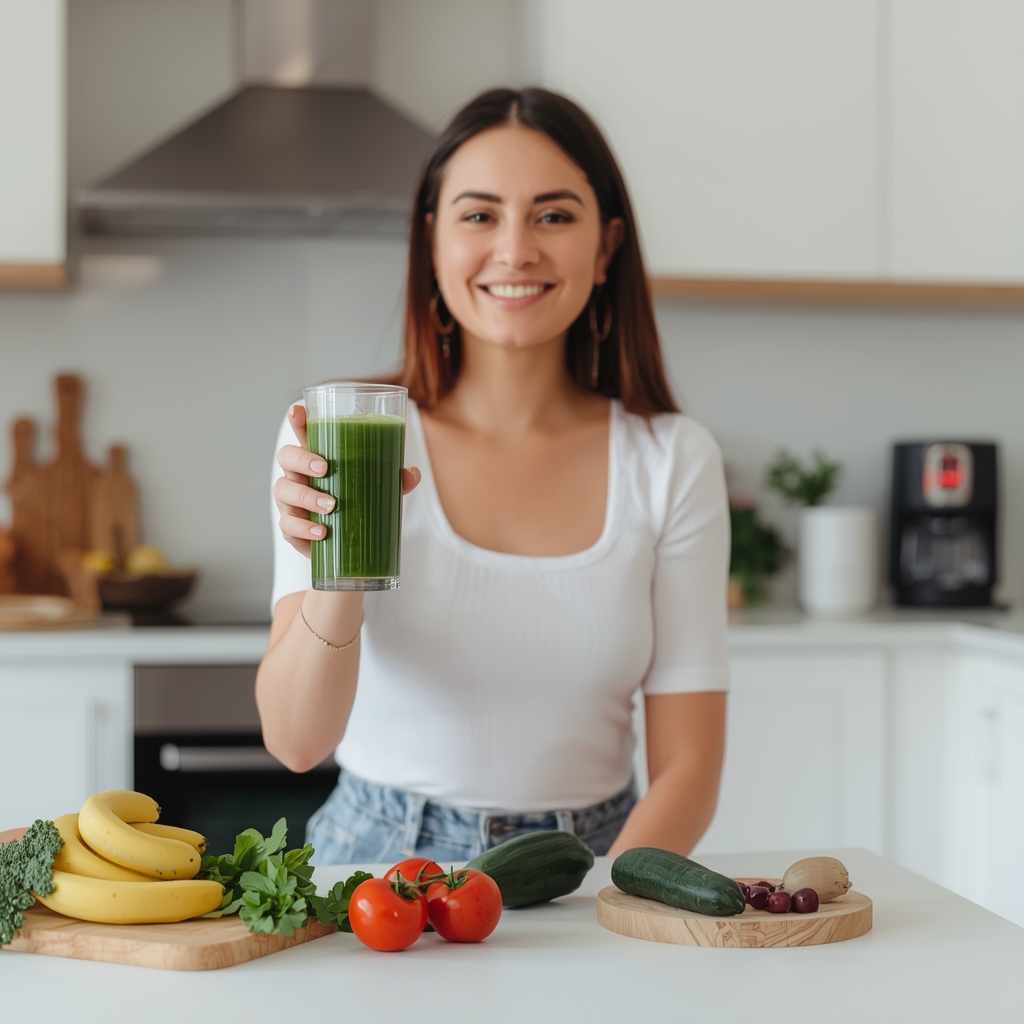
Breakfast: Detoxifying green smoothie
For 1 serving:
- 2 cups (60g) fresh baby spinach
- 1 celery stalk, roughly chopped
- 1 small green apple, cored and chopped
- ½ cucumber, roughly chopped
- Juice of ½ lemon
- 1cm piece of fresh ginger, peeled
- 250ml unsweetened coconut water
- 1 tablespoon chia seeds
- A small handful of fresh mint leaves
- Blend: Add coconut water to the blender first, then add all remaining ingredients except chia seeds. Blend on high speed for 60 seconds until completely smooth.
- Add seeds: Add chia seeds and blend briefly for 10 seconds to incorporate without fully grinding.
- Serve immediately: Pour into a glass and consume within 10 minutes for maximum nutritional benefit — the enzymes in fresh greens degrade quickly once blended.
Total time: 10 minutes
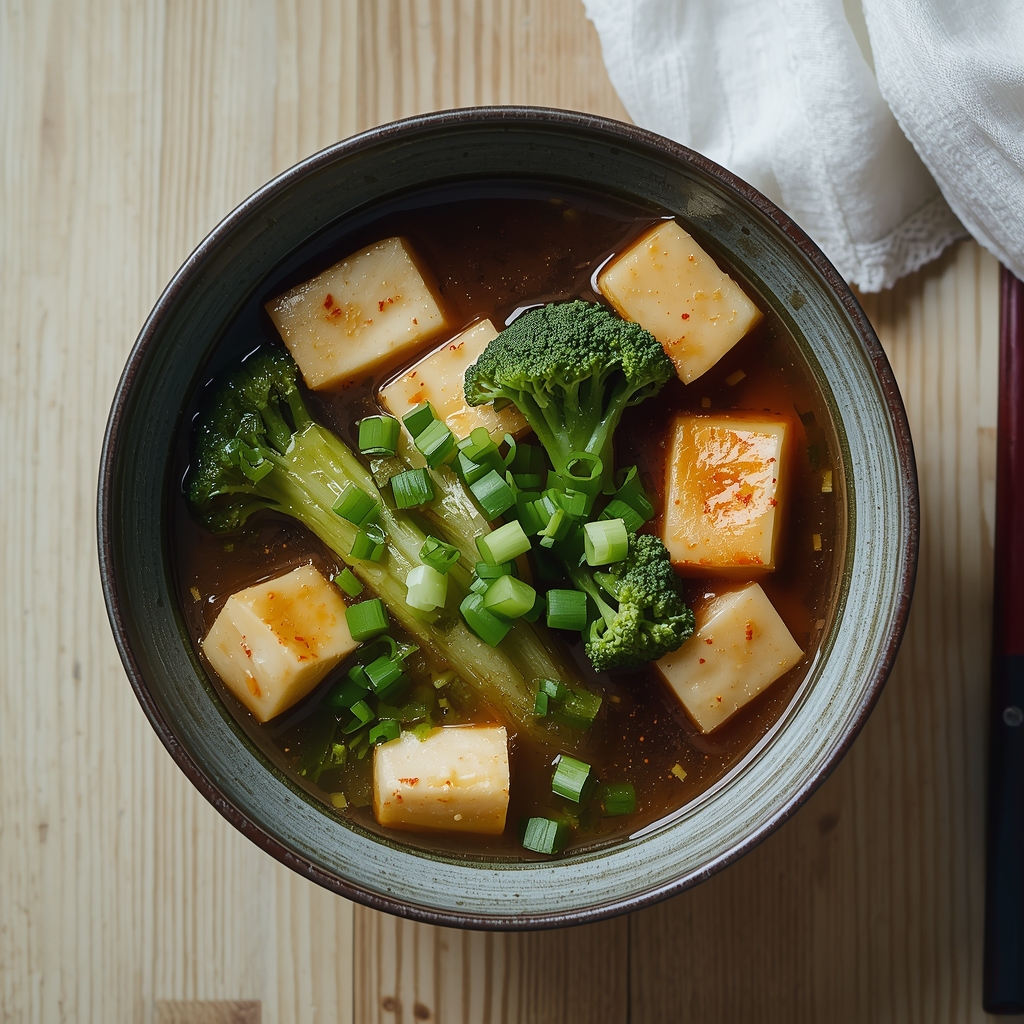
Lunch: Miso soup with green vegetables and tofu
For 2 servings:
- 750ml good-quality vegetable broth
- 2 tablespoons unpasteurized white or yellow miso paste
- 100g silken tofu, drained and cut into small cubes
- 1 cup bok choy, roughly chopped
- 1 cup small broccoli florets
- 2 spring onions, thinly sliced
- 1 sheet dried nori seaweed, cut into thin strips with scissors
- 1 teaspoon fresh ginger, finely grated
- Sesame seeds for garnish
- Heat broth: Bring the vegetable broth and grated ginger to a gentle simmer in a medium saucepan over medium heat. Do not boil vigorously.
- Cook vegetables: Add the broccoli florets and cook for 3 minutes. Add the bok choy, tofu cubes, and nori strips. Continue simmering for 2 minutes until all vegetables are just tender.
- Dissolve miso: Remove the pan from heat. Ladle approximately 60ml of hot broth into a small bowl and whisk in the miso paste until completely smooth. Pour the miso mixture back into the soup and stir to combine. Never boil soup after adding miso — heat above 70°C destroys the probiotic bacteria that give miso much of its digestive value.
- Serve: Ladle into bowls. Top with sliced spring onions and a scatter of sesame seeds.
Total time: 15 minutes
Day 2: Revitalization and Digestive Support
Day 2 introduces more substantial food while maintaining the emphasis on vegetables, fiber, and foods that actively support liver and gut function. Energy typically begins to noticeably improve by the second day as hydration is restored and the body’s glycogen reserves are replenished from complex carbohydrates rather than sugar.
Lunch: Rainbow detox Buddha bowl
For 1 serving:
- ½ cup (90g) cooked quinoa, cooled
- 1 cup kale or cavolo nero, stems removed, roughly torn and massaged with a drop of olive oil and a pinch of salt until slightly softened
- ½ small raw beet, peeled and coarsely grated
- ½ ripe avocado, sliced
- ½ cup cooked chickpeas, tossed with ½ teaspoon turmeric, a pinch of salt, and a drizzle of olive oil, then roasted at 200°C for 20 minutes until crispy
- ¼ small red cabbage, very finely sliced
- A small handful of alfalfa or broccoli sprouts
- 2 tablespoons pumpkin seeds
For the turmeric and lemon dressing:
- 2 tablespoons extra virgin olive oil
- 1 tablespoon apple cider vinegar
- 1 teaspoon raw honey or maple syrup
- ½ teaspoon ground turmeric
- A generous pinch of freshly ground black pepper (essential — piperine increases turmeric bioavailability by up to 2,000%)
- Juice of ½ lemon
- Salt to taste
- Build the base: Spread the cooked quinoa in the base of a wide, shallow bowl.
- Arrange toppings: Arrange all vegetable and protein components in separate sections around the bowl — the visual contrast of colors is part of the appeal and also a practical indicator of nutritional diversity.
- Make dressing: Combine all dressing ingredients in a small jar and shake vigorously until emulsified.
- Dress and serve: Drizzle the dressing over the bowl just before eating. Top with sprouts and pumpkin seeds.
Total time: 25 minutes (including chickpea roasting time)
Dinner: Steamed salmon with fennel and green vegetables
For 1 serving:
- 1 wild salmon fillet, approximately 150g, skin on
- 1 cup small broccoli florets
- 1 cup asparagus spears, woody ends snapped off
- ½ small fennel bulb, very thinly sliced (a mandoline is ideal)
- 1 lemon — half sliced into thin rounds, half for juicing
- 2 garlic cloves, thinly sliced
- A small handful of fresh dill
- 1 tablespoon extra virgin olive oil
- Sea salt and freshly ground black pepper
- Set up steamer: Fill a medium saucepan with approximately 5cm of water and bring to a simmer. Place a steamer basket or bamboo steamer over the water.
- Layer vegetables: Arrange the broccoli, asparagus, and fennel slices in the steamer basket. Season lightly with salt.
- Add salmon: Place the salmon fillet skin-side down on top of the vegetables. Lay a few lemon slices, garlic slices, and fresh dill over the salmon. Season lightly.
- Steam: Cover and steam for 10–12 minutes depending on the thickness of the fillet — the salmon is ready when it flakes easily with a fork and is just opaque through the center, with a slight translucency remaining.
- Dress and serve: Transfer to a plate. Drizzle olive oil over the salmon and vegetables and add a generous squeeze of fresh lemon juice. Garnish with additional fresh dill.
Total time: 15 minutes
Day 3: Consolidation and Sustained Energy
Day 3 focuses on consolidating the progress of the first two days and establishing a sustainable pattern that can continue beyond the three-day plan. By this point, most people notice improved energy, clearer thinking, less bloating, and better sleep quality. The breakfast on Day 3 is more substantial, reflecting the body’s return to a more normal energy requirement.
Breakfast: Protein porridge with berries and seeds
For 1 serving:
- ½ cup (45g) rolled oats
- 1 cup (250ml) unsweetened almond milk or oat milk
- 1 tablespoon chia seeds
- 1 tablespoon ground flaxseed
- ½ teaspoon ground cinnamon
- A small pinch of sea salt
- 1 teaspoon raw honey
- ½ cup fresh blueberries (or thawed frozen)
- 2 tablespoons slivered almonds, lightly toasted
- Cook oats: Combine the oats, plant milk, chia seeds, cinnamon, and salt in a small saucepan. Bring to a gentle boil over medium heat, then reduce to a simmer. Cook, stirring frequently, for 4–5 minutes until the porridge has thickened to a creamy consistency.
- Add flaxseed: Remove from heat and stir in the ground flaxseed. Allow to rest for 2 minutes — the flaxseed continues to absorb moisture and thickens the porridge further during this time.
- Assemble: Transfer to a bowl. Top with fresh blueberries, toasted almond slivers, and a small drizzle of honey.
- Serve immediately: Porridge thickens significantly as it cools — eat within a few minutes of assembly for the best texture, or add a splash of warm milk if it has thickened too much.
Total time: 10 minutes
Complementary Habits That Accelerate Recovery
The recipes above address the nutritional dimension of post-holiday recovery. Several complementary habits address the other dimensions and meaningfully accelerate the process when practiced consistently across the three days.
Supportive herbal teas can be consumed between meals to extend the hydration and gentle therapeutic support of the plan. Green tea provides antioxidant catechins and mild caffeine that does not stress the adrenal glands the way coffee can. Dandelion root or leaf tea has traditional use as a mild liver and kidney tonic. Milk thistle contains silymarin, a compound with well-documented hepatoprotective properties — it does not dramatically accelerate liver function, but it does support liver cell integrity and regeneration. Fennel or ginger tea after meals supports digestion and reduces gas and bloating.
Sleep prioritization is perhaps the most undervalued recovery strategy. The majority of liver detoxification activity and cellular repair occurs during sleep, particularly during the deeper NREM sleep stages. The disrupted sleep patterns typical of the holiday period — later bedtimes, alcohol-fragmented sleep architecture, time zone changes for travelers — are significant contributors to post-holiday fatigue that no amount of nutritional intervention can fully compensate for. Prioritizing seven to nine hours of genuine sleep, starting the first night of the plan, produces faster and more complete recovery than any other single intervention.
Diaphragmatic breathing — slow, deep breathing that engages the diaphragm and expands the lower ribcage — has measurable effects on lymphatic circulation. The diaphragm’s movement creates pressure differentials in the thoracic duct, the primary lymphatic vessel, that significantly accelerates lymph flow. Five minutes of intentional deep breathing three times daily — morning, midday, and before bed — is sufficient to produce a meaningful effect. This requires no equipment, no time commitment beyond the five minutes, and produces a genuine sense of calm as a secondary benefit.
Gentle daily movement of thirty to forty-five minutes — walking, yoga, swimming, cycling at a light pace — supports lymphatic circulation, improves insulin sensitivity, enhances mood through endorphin release, and promotes deeper sleep. Avoid high-intensity training for the first two days if fatigue is significant. By Day 3, most people feel energized enough for a moderate workout if desired.

What to Minimize During the Three Days
The plan works primarily by adding beneficial practices rather than through restriction. However, a few substances genuinely impede recovery and are worth minimizing or eliminating for the three days.
Alcohol is the most important avoidance. Even modest quantities during a recovery period place additional metabolic load on a liver that is already processing holiday excesses. The liver prioritizes alcohol metabolism over other detoxification processes — when alcohol is present, the processing of other compounds slows. Three days without alcohol allows the liver to clear its backlog and significantly accelerates the restoration of normal energy and cognitive function.
Refined sugar and ultra-processed foods create the same insulin cycling, inflammatory responses, and energy instability that the plan is designed to correct. Processed foods high in additives, preservatives, and refined oils add to the chemical burden on the liver rather than reducing it. Three days of whole, minimally processed food is a meaningful reset even for those who will return to a more varied diet afterward.
Excessive caffeine — more than one to two cups of coffee or equivalent — stresses the adrenal system and can worsen the fatigue and anxiety that often accompany post-holiday recovery. Green tea provides a gentler, sustained caffeine lift alongside its antioxidant benefits and is a preferable option during the three-day plan.
After the Three Days: Maintaining the Momentum
The goal of this plan is not to return you to a perfect baseline and then watch those gains disappear as pre-holiday habits reassert themselves. The goal is to use the motivation that naturally accompanies a new year and a physical reset to establish a few durable practices that persist well beyond January.
The most sustainable approach after a detox period is gradual rather than abrupt reintegration of richer foods. Reintroduce one food group at a time over several days — this makes it easy to identify any specific foods that seem to trigger digestive symptoms or energy dips, information worth having. Keep the hydration habit: the two-liter daily target and the morning warm lemon water ritual are easy practices with genuine ongoing benefits that require almost no effort to maintain.
The 80/20 principle is a useful framework for ongoing balance: if 80% of meals and food choices reflect the nutritional principles of this plan — whole foods, abundant vegetables, quality protein, minimal ultra-processed food — the remaining 20% of pleasures and exceptions produce no meaningful negative effect. This is a sustainable ratio that allows genuine enjoyment of food and social eating without guilt, and it avoids the restriction-and-excess cycle that undermines so many January resolutions. Explore our healthy recipes collection for ongoing inspiration, and our wellness practices collection for guidance on building lasting habits beyond the detox period. For recipe ideas that can make healthy eating feel celebratory year-round, visit our full recipes archive and our romantic cuisine collection.