

Nutrition and Erectile Health — Foods That Support Circulation & Hormones | Bona Sanitas
Nutrition and Erectile Health — Foods That Support Circulation & Hormones
Erectile health is more than a single symptom — it is a window into cardiovascular fitness, hormonal balance and everyday lifestyle choices. When erections become inconsistent, diet is often one of the simplest and most effective places to start making meaningful changes. The connection between what you eat and how your body performs sexually is well-established in research, yet it remains underappreciated in everyday conversations about men’s health.
This guide explains the physiology behind erections, identifies the most beneficial foods to prioritize, outlines habits and foods to limit, and provides a practical weekly framework to put these insights into action. Whether you are looking to maintain what is already working or address changes you have noticed, the nutritional strategies here are grounded in science and designed to be genuinely achievable. This article is part of our collection of wellness practices focused on evidence-based lifestyle choices.
It is important to note from the outset: if you experience sudden, severe or persistent erectile difficulties, especially alongside other symptoms such as chest pain or shortness of breath, please seek medical evaluation promptly. Erectile dysfunction can be an early indicator of cardiovascular disease and deserves professional assessment, not just dietary adjustments.
How Diet Affects Erections: The Physiology in Brief
Understanding why food matters for erectile health starts with understanding how erections work. An erection is fundamentally a vascular event — it depends on rapid, well-regulated blood flow into the erectile tissues of the penis. That flow requires healthy blood vessels, flexible arteries and sufficient production of nitric oxide, a signaling molecule that causes blood vessel walls to relax and widen, allowing blood to rush in.
The endothelium — the thin inner lining of blood vessels — plays a central role in this process. When the endothelium is healthy, it responds efficiently to signals and produces nitric oxide effectively. When it is damaged by chronic inflammation, oxidative stress, elevated blood sugar or poor dietary choices, its function deteriorates. Over time, this endothelial dysfunction reduces the quality and reliability of blood flow throughout the body, including the penile tissues.
Insulin resistance is another key pathway. When cells become less sensitive to insulin — typically as a result of excess refined carbohydrates, added sugars and sedentary behavior — blood sugar regulation becomes impaired, inflammatory markers rise, and vascular health declines. Research has consistently linked insulin resistance and metabolic syndrome to higher rates of erectile dysfunction. The good news is that dietary patterns have a direct and measurable influence on both endothelial function and insulin sensitivity, which means that food choices can meaningfully shift the trajectory in a positive direction.
Hormonal factors also play a significant role. Testosterone, while not the sole determinant of erectile function, supports libido, energy and the physiological conditions that facilitate healthy erections. Nutritional deficiencies — particularly in zinc, magnesium and vitamin D — as well as excess body fat, poor sleep and chronic stress can all suppress testosterone production. A nourishing, balanced diet addresses several of these risk factors simultaneously. For more context on how lifestyle habits interact with hormonal health, explore our wellness practices.
Top Foods That Support Circulation and Hormone Health
Not all foods marketed as beneficial for men’s health deserve the label. The most reliable choices are those with strong evidence for improving endothelial function, reducing inflammation, supporting hormonal balance or providing key micronutrients involved in vascular health. Below are the categories that consistently appear in research and deserve regular inclusion in your diet.
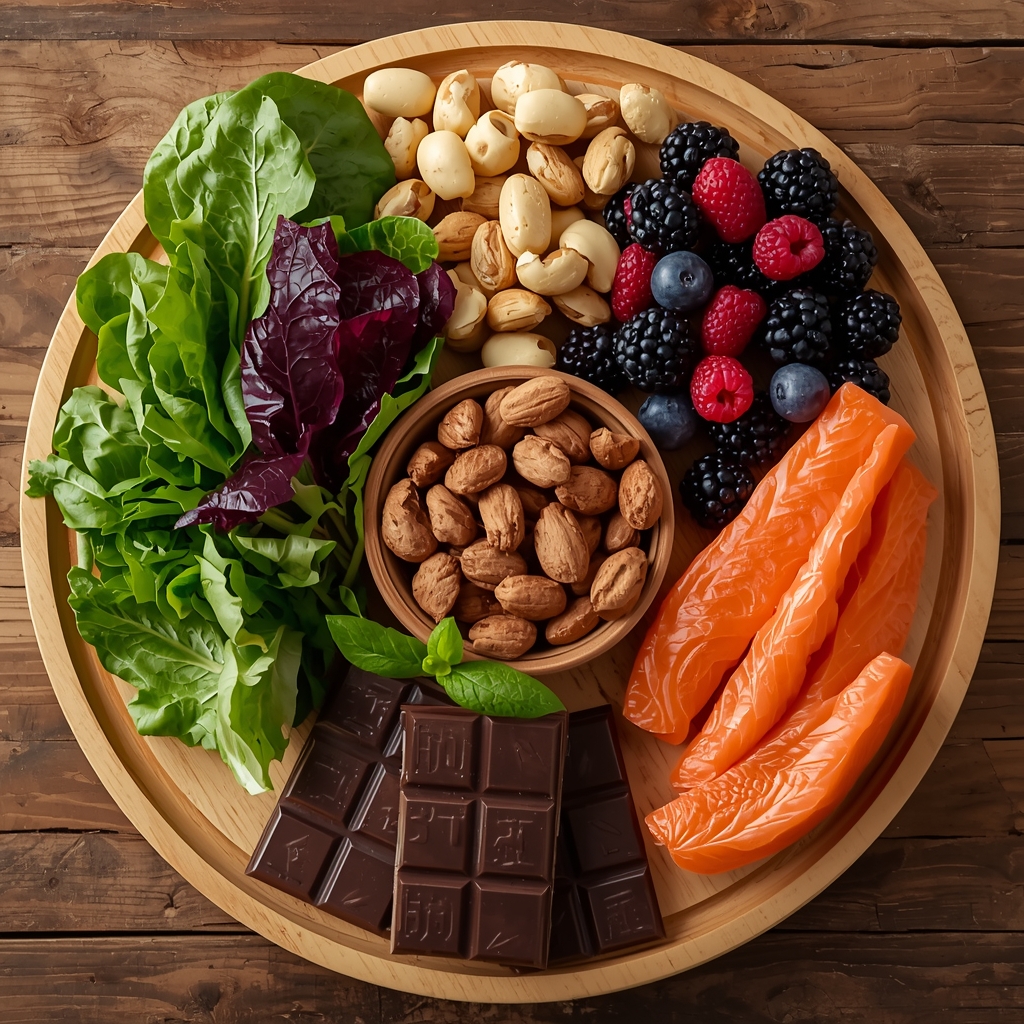
Leafy green vegetables such as spinach, arugula, Swiss chard and kale are among the richest dietary sources of inorganic nitrates. When you consume these vegetables, bacteria in your mouth and gut convert the nitrates into nitric oxide, which directly supports vessel dilation. Studies have shown that regular nitrate-rich vegetable consumption is associated with lower blood pressure and improved vascular function — both directly relevant to erectile health. Including a generous serving of leafy greens daily, whether in salads, smoothies, stir-fries or soups, is one of the highest-impact dietary choices you can make for circulation.
Beetroot is particularly concentrated in natural nitrates and has attracted growing research interest for its effects on blood pressure and exercise performance. Consuming beetroot regularly — roasted, raw, juiced or blended — provides a reliable nitrate boost that complements the intake from leafy greens. Some men find beetroot juice a convenient pre-workout addition, though daily inclusion in any form is beneficial regardless of exercise timing.
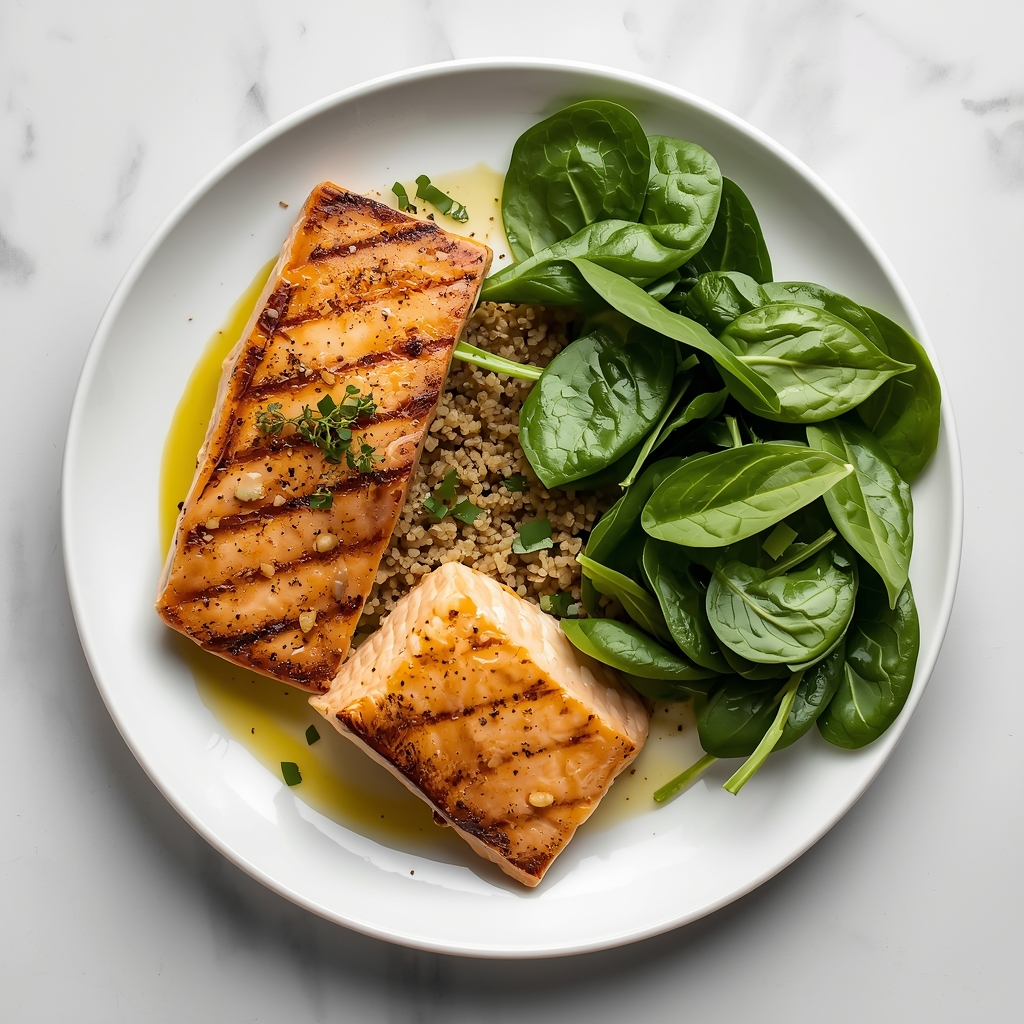
Fatty fish — salmon, sardines, mackerel, herring and trout — provide long-chain omega-3 fatty acids (EPA and DHA) that reduce systemic inflammation, improve endothelial function and support healthy lipid profiles. Chronic low-grade inflammation is a significant driver of vascular damage and erectile dysfunction. Aiming for two to three servings of fatty fish per week provides meaningful cardiovascular protection. For those who do not eat fish, algae-derived omega-3 supplements offer a plant-based alternative.
Berries and citrus fruits are rich in flavonoids — plant compounds with potent antioxidant and anti-inflammatory properties. Research published in the American Journal of Clinical Nutrition found that higher flavonoid intake was associated with a reduced risk of erectile dysfunction in men. Blueberries, strawberries, raspberries, blackberries, oranges and grapefruits all contribute. Vitamin C from citrus additionally supports collagen integrity in blood vessel walls. A daily serving of mixed berries or a piece of citrus fruit is a simple and enjoyable way to increase flavonoid intake.
Nuts and seeds — particularly pumpkin seeds, walnuts, almonds and Brazil nuts — deliver a combination of nutrients that are essential for hormonal and vascular health. Pumpkin seeds are one of the best dietary sources of zinc, a mineral critical for testosterone production and immune function. Walnuts provide alpha-linolenic acid (a plant omega-3), arginine (an amino acid that serves as a precursor to nitric oxide) and antioxidants. Magnesium, found in almonds and other nuts, supports over three hundred enzymatic processes in the body and is often deficient in men with low testosterone. A small daily handful of mixed nuts and seeds is both nutrient-dense and satisfying.
Dark chocolate containing 70% or more cacao is a legitimate source of flavanols that support nitric oxide pathways and have been shown to improve endothelial function in controlled studies. It also provides magnesium and contributes to a mood-supportive effect through its influence on serotonin pathways. A modest daily portion — one to two squares — is sufficient to obtain these benefits without excess calorie or sugar intake.
Whole grains and legumes stabilize blood sugar by providing complex carbohydrates, fiber and a lower glycemic load compared to refined alternatives. Oats, quinoa, brown rice, lentils, chickpeas and black beans all contribute to sustained energy levels, reduced insulin resistance and improved inflammatory markers. Replacing white bread, white rice and processed snacks with whole grain and legume alternatives is one of the most impactful dietary shifts for metabolic and vascular health.
Extra virgin olive oil, the foundation of the Mediterranean dietary pattern, is rich in oleocanthal and other polyphenols with anti-inflammatory and vascular-protective effects. Regular use of olive oil as the primary cooking and dressing fat is associated with improved cardiovascular outcomes and lower rates of erectile dysfunction in large observational studies. According to Harvard Health, a Mediterranean-style diet is among the most evidence-supported dietary approaches for sexual health in men.
Foods and Habits to Limit for Better Vascular Health
Just as important as what to include is what to minimize. Certain dietary patterns and habits reliably undermine the endothelial function, hormonal balance and metabolic health that support erectile performance.
Excessive alcohol consumption impairs erectile function through multiple mechanisms. Acutely, alcohol is a central nervous system depressant that reduces sensitivity and delays response. Chronically, heavy drinking disrupts hormone production — lowering testosterone while increasing estrogen — and damages blood vessels, liver function and sleep quality. Moderate intake (up to one to two standard drinks per day) appears largely neutral for most healthy men, but regular heavy drinking is strongly associated with erectile dysfunction. Reducing alcohol consumption is often one of the fastest lifestyle changes to produce noticeable improvements.
Trans fats and highly processed foods — including packaged snacks, fast food, fried foods and many commercially baked products — damage the endothelium, raise LDL cholesterol, increase systemic inflammation and contribute to insulin resistance. These effects accumulate over time and are among the primary dietary drivers of cardiovascular disease and the vascular dysfunction that underlies erectile problems.
Excess added sugar and refined carbohydrates promote insulin resistance, increase triglycerides and contribute to endothelial inflammation. Sweetened beverages, candy, white bread, pastries and most processed breakfast cereals are the primary contributors to added sugar intake in most diets. Replacing these with whole food alternatives significantly reduces metabolic risk.
Smoking remains one of the most potent reversible causes of erectile dysfunction. Nicotine constricts blood vessels acutely, while long-term tobacco use accelerates endothelial damage, reduces arterial elasticity and diminishes nitric oxide availability. Quitting smoking is among the highest-impact decisions for vascular and sexual health, with measurable improvements in erectile function observed within weeks to months after cessation.
Sedentary behavior compounds all dietary risks. Physical inactivity reduces blood flow, lowers testosterone, increases body fat and worsens insulin sensitivity. Even without dietary changes, regular aerobic exercise — walking, cycling, swimming — significantly improves erectile function by improving cardiovascular fitness and endothelial health.
Weight, Sleep and Movement: The Supporting Trio
Nutrition rarely works in isolation. Three lifestyle factors interact closely with diet to determine vascular and hormonal health: body weight, sleep quality and physical activity. Addressing all three alongside dietary improvements produces far greater results than nutrition alone.
Excess adipose tissue — particularly visceral fat around the abdomen — is metabolically active, producing inflammatory cytokines that damage blood vessels and enzymes that convert testosterone into estrogen. Research consistently shows that losing 5 to 10 percent of body weight in overweight men often produces meaningful improvements in erectile function, sometimes comparable to pharmacological interventions. A calorie-appropriate, whole-food dietary pattern is the most sustainable approach to achieving and maintaining a healthy weight.
Sleep is when the body performs most of its hormonal replenishment, including testosterone production. The majority of daily testosterone release occurs during deep sleep cycles. Men who consistently sleep fewer than six hours per night show significantly lower testosterone levels compared to those sleeping seven to nine hours. Poor sleep also increases cortisol, a stress hormone that suppresses testosterone and promotes inflammation. Prioritizing consistent, adequate sleep is therefore a direct investment in hormonal and erectile health.
Regular physical activity — particularly aerobic exercise combined with resistance training — improves endothelial function, increases nitric oxide availability, supports healthy testosterone levels and reduces the insulin resistance and inflammation that undermine vascular health. Aim for at least 150 minutes of moderate-intensity aerobic activity per week alongside two resistance training sessions. Our wellness practices section offers additional guidance on integrating movement into daily routines.
A Practical 7-Day Food Framework
Translating nutritional principles into daily meals can feel overwhelming. The following framework is intentionally simple — it emphasizes patterns over perfection and is designed to fit real schedules and real kitchens.
Breakfast: Start the day with oatmeal topped with a handful of blueberries or strawberries, a tablespoon of walnuts or pumpkin seeds, and a spoonful of plain yogurt for protein and probiotics. Alternatively, a smoothie with spinach, banana, frozen berries and a tablespoon of flaxseeds provides nitrates, antioxidants and omega-3s in a convenient format.
Lunch: Build meals around a generous base of leafy greens — spinach, arugula or mixed leaves — with a protein source such as grilled salmon, sardines, chickpeas or lentils, sliced beetroot, cherry tomatoes and a dressing of extra virgin olive oil and lemon juice. This combination delivers nitrates, omega-3s, flavonoids and healthy fats in a single meal.
Snack: A small handful of mixed nuts and seeds, a piece of citrus fruit, or a few squares of dark chocolate (70%+) provides sustained energy and micronutrients without blood sugar spikes.
Dinner: Center the plate on a serving of oily fish or legumes alongside a whole grain such as quinoa, brown rice or whole wheat pasta, with a generous portion of steamed or roasted vegetables including leafy greens, broccoli, courgette or peppers. Season with olive oil, garlic and herbs.
After seven days of following this pattern, most people notice improvements in energy levels, digestion and overall sense of wellbeing. The vascular and hormonal benefits accumulate over weeks and months of consistent practice. For meal planning inspiration and additional recipes, explore our recipes collection.
Supplements and Functional Foods: What May Help
While whole foods should always be the foundation, certain supplements and functional foods have accumulated meaningful evidence for supporting the physiological pathways relevant to erectile health.
Beetroot juice in concentrated form provides a reliable nitrate dose — particularly useful before exercise or for individuals who struggle to consume adequate leafy vegetables. Studies have demonstrated acute blood pressure-lowering effects and improved exercise capacity.
L-citrulline, an amino acid found naturally in watermelon and available as a supplement, is efficiently converted in the body to L-arginine and subsequently to nitric oxide. Small clinical trials have shown modest improvements in erectile function in men with mild dysfunction, with a favorable safety profile compared to L-arginine supplementation alone.
Zinc supplementation may benefit men who are deficient — a common finding in those with poor dietary variety, excessive alcohol intake or digestive conditions that impair absorption. Zinc is directly involved in testosterone synthesis, and deficiency is associated with reduced testosterone levels. Food-first approaches (pumpkin seeds, oysters, beef, legumes) are preferable, but supplementation may be appropriate when deficiency is confirmed.
Maca root, a Peruvian plant available as a powder or supplement, has shown modest evidence for improving libido and sexual satisfaction in small trials, though its mechanisms are not fully understood and effects on testosterone levels are inconsistent in the research. It is generally considered safe for most adults.
Always discuss supplements with a healthcare provider before beginning, particularly if you take medications for blood pressure, heart disease or diabetes. Concentrated nitrate supplements can interact with certain cardiac medications. According to the Mayo Clinic, lifestyle and dietary changes are safe first-line strategies, but persistent erectile dysfunction warrants professional evaluation to rule out underlying cardiovascular or hormonal causes.
Nutritional Highlights: Key Mechanisms at a Glance
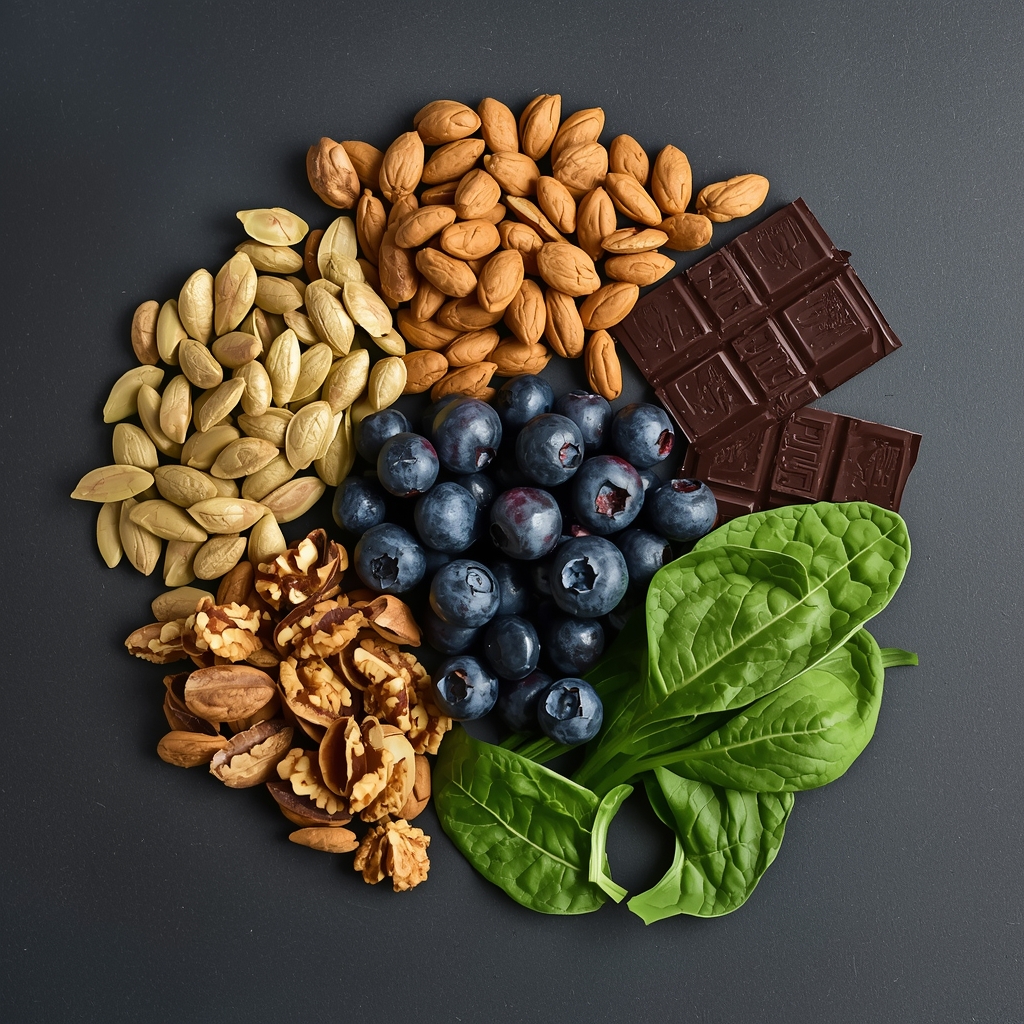
The nutritional science behind erectile health converges around several well-established mechanisms. Dietary nitrates from leafy greens and beetroot are converted into nitric oxide, which directly signals blood vessels to relax and dilate — the fundamental vascular event required for an erection. Flavonoids and antioxidants from berries, citrus and dark chocolate protect the endothelium from oxidative damage and preserve nitric oxide bioavailability.
Omega-3 fatty acids from fatty fish and walnuts reduce the chronic, low-grade inflammation that gradually impairs endothelial function and contributes to atherosclerotic plaque development in arterial walls. Zinc and magnesium from nuts, seeds and whole grains support the enzymatic processes underlying testosterone synthesis and energy metabolism. Fiber and complex carbohydrates from whole grains and legumes stabilize blood sugar, reduce insulin resistance and lower the inflammatory burden on the vascular system.
The Mediterranean dietary pattern, which incorporates most of these food categories naturally, has the strongest evidence base among dietary approaches for cardiovascular and sexual health. Research published through institutions such as the National Institute of Diabetes and Digestive and Kidney Diseases consistently highlights the overlap between cardiovascular risk factors and erectile dysfunction, reinforcing that what is good for the heart is broadly good for sexual function.
When to Seek Medical Help
Dietary and lifestyle strategies are powerful tools for maintaining and improving erectile health — but they are not a substitute for medical evaluation when it is warranted. Erectile dysfunction that is sudden in onset, severe, or accompanied by symptoms such as chest pain, shortness of breath, leg pain or fainting should prompt immediate medical attention, as these may signal serious cardiovascular events.
Persistent erectile dysfunction — regardless of severity — deserves a conversation with a healthcare provider. Erectile difficulties are often an early marker of endothelial dysfunction that may be present in coronary arteries as well as penile arteries. Early detection allows for intervention before more serious cardiovascular events occur. Your doctor can assess hormonal status, cardiovascular risk factors and appropriateness of medical treatments alongside lifestyle strategies.
At Bona Sanitas, we encourage a compassionate and practical approach: small, consistent changes in diet and lifestyle frequently produce meaningful improvements in performance, mood and confidence. Start with the highest-impact changes — increasing leafy greens and fatty fish, reducing processed foods and alcohol, prioritizing sleep and movement — and build from there. Visit our health tips collection for complementary guidance on stress management, sleep hygiene and physical activity, all of which work synergistically with the dietary strategies outlined here. Your body responds to genuine nourishment at every age — the investment you make today shapes your health and confidence for years ahead.
.