Healthy Valentine’s Day Menu: A Gastronomic and Nutritious Evening
Why Cook Valentine’s Day Dinner at Home
Valentine’s Day arrives with its promise of romance, intimacy, and connection. While restaurants overflow with couples vying for tables and servers rush between courses, something magical happens when you choose to create this special evening at home instead. Cooking for your partner becomes an act of love itself—more personal, more meaningful, and infinitely more intimate than any crowded dining room can offer.
The benefits extend beyond romance. Restaurant Valentine’s menus tend toward excess—oversized portions drowning in heavy sauces, excessive salt and butter, and a reliance on rich ingredients that leave you feeling sluggish rather than energized. By preparing dinner yourself, you control every element: the quality of ingredients, the portion sizes, and most importantly, the balance between indulgence and nourishment.
This complete Valentine’s Day menu delivers sophistication without compromise. Each course showcases refined techniques and elegant flavors while prioritizing your health and wellbeing. From the delicate scallop carpaccio that opens the meal to the sensual molten chocolate dessert that closes it, every dish celebrates both culinary artistry and nutritional wisdom.
The evening becomes not just about eating, but about creating together, sharing the preparation, setting a beautiful table, and savoring each moment without the pressure of reservation times or check presentations. This is Valentine’s Day as it should be—focused entirely on each other.
For more romantic meal inspiration, explore our complete romantic cuisine collection, including our aphrodisiac dinner menu and romantic Sunday brunch ideas.
Creating the Perfect Valentine’s Atmosphere
The Foundation: Thoughtful Table Setting
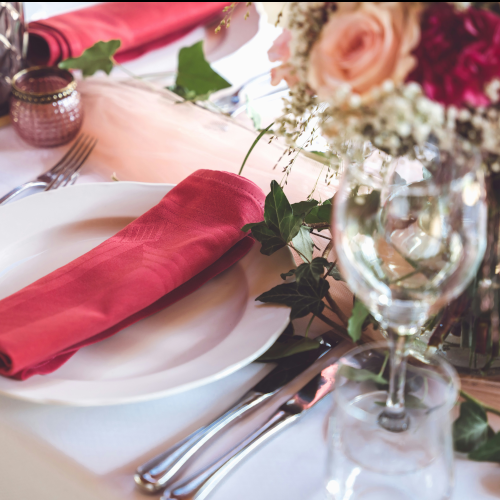
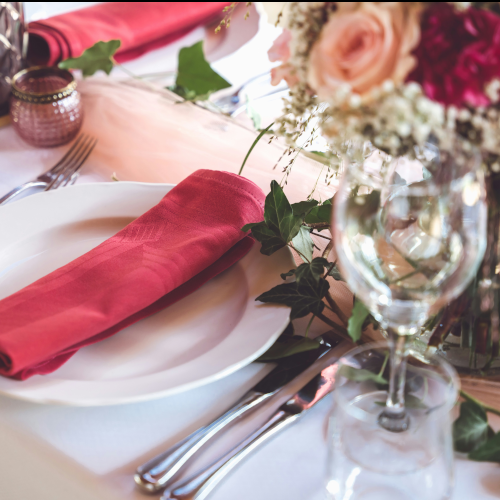
The visual presentation of your Valentine’s dinner matters as much as the food itself. Begin with a clean, pressed tablecloth in white, cream, or romantic blush pink. Choose your best dinnerware—this is the occasion to use those wedding gift plates that normally sit in the cabinet. Crystal wine glasses catch candlelight beautifully and elevate even modestly priced wine.
Arrange candles at varying heights across the table. Taper candles in elegant holders create vertical interest, while votives scattered between add warmth. Avoid strongly scented candles that compete with food aromas—unscented or very subtle vanilla works best.
Fresh flowers provide the centerpiece, but choose wisely. Classic red roses are traditional for a reason, but consider peonies, ranunculus, or even a simple arrangement of white tulips. Keep arrangements low enough that you can see each other across the table—romance requires eye contact.
Fold cloth napkins and place them with care. A simple fold looks more elegant than elaborate origami. Add a small handwritten note under your partner’s plate—a love letter, a favorite memory, or simply “I love you” transforms the setting into something deeply personal.
Lighting and Music: Setting the Mood
Lighting dramatically affects mood. Dim overhead lights or turn them off entirely, relying instead on candlelight and perhaps a few strategically placed lamps with low-wattage bulbs. The warm, flickering glow of candles is universally flattering and creates instant intimacy.
Prepare a music playlist before dinner begins. Smooth jazz classics—Chet Baker, Billie Holiday, Ella Fitzgerald—create sophisticated ambiance without demanding attention. Classical piano works beautifully too: Chopin’s Nocturnes or Debussy’s Claire de Lune. Keep volume low enough to allow easy conversation. Music should enhance the atmosphere, not dominate it.
The No-Phone Rule
Make a pact: phones stay in another room for the entire evening. No checking messages, no quick social media scrolls, no photographing every course. Be fully present with each other. The world can wait three hours.
Course One: Scallop Carpaccio with Citrus and Fennel
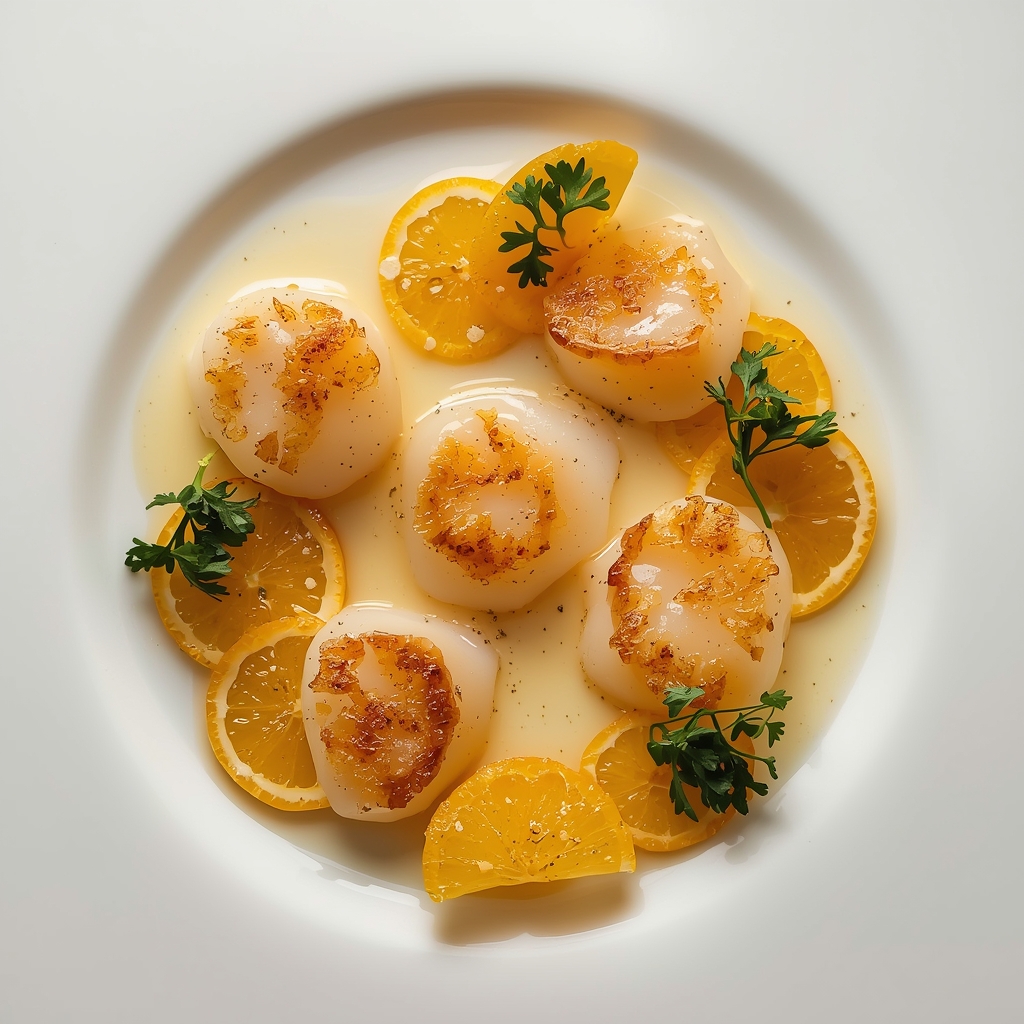
This opener awakens the palate with delicate sweetness, bright acidity, and subtle licorice notes. The presentation is elegant enough for a Michelin-starred restaurant, yet the preparation is remarkably simple.
Ingredients (serves 2)
For the carpaccio:
- 6 large sea scallops (sushi-grade quality essential)
- 1 blood orange (or regular orange)
- 1 pink grapefruit
- 1/2 fennel bulb, plus fronds for garnish
- 1 lime
- 3 tablespoons extra virgin olive oil
- Fleur de sel and pink peppercorns
- Fresh cilantro leaves
- 2 tablespoons pomegranate seeds (optional but beautiful)
Preparation Method
- Chill the scallops: Remove side muscle from scallops and pat completely dry. Place on a plate and freeze for exactly 20 minutes—this firms them for slicing without freezing solid.
- Prepare citrus: Supreme the orange and grapefruit (remove all pith and membrane, leaving only flesh segments). Work over a bowl to catch all juice that drips—you’ll use this for the vinaigrette.
- Shave the fennel: Using a mandoline or very sharp knife, slice fennel paper-thin. Immediately plunge into ice water with a squeeze of lime to keep it crisp and prevent browning.
- Slice scallops: Remove scallops from freezer. Using a very sharp knife, slice each scallop horizontally into 3-4 thin rounds, about 2-3mm thick. Work quickly while they’re still cold.
- Plate the carpaccio: On chilled plates, arrange scallop slices in a single layer, slightly overlapping like rose petals. Work from the center outward.
- Add citrus and fennel: Drain fennel and pat dry. Arrange citrus segments and fennel shavings artfully around the scallops.
- Make vinaigrette: Whisk together olive oil, lime juice, and 2 tablespoons of the reserved citrus juice. Season lightly with salt.
- Final touches: Just before serving, drizzle vinaigrette delicately over everything. Sprinkle with fleur de sel and crushed pink peppercorns. Garnish with cilantro leaves, fennel fronds, and pomegranate seeds.
Timing note: You can slice citrus and fennel hours ahead, but slice scallops and assemble plates no more than 30 minutes before serving to preserve texture and prevent the acid from “cooking” the fish.
Why This Dish Works
Scallops provide high-quality protein with minimal calories—about 20g protein in 3 ounces with only 95 calories. They’re rich in vitamin B12, essential for energy and nervous system function, plus magnesium and potassium. The citrus fruits deliver vitamin C and antioxidants that support immune function and skin health.
Fennel aids digestion and freshens breath—important for a romantic evening. Its subtle anise flavor complements the sweetness of scallops without overpowering their delicate taste.
The dish looks spectacular on the plate, signaling that this is a special occasion. The combination of temperatures (cool scallops, room-temperature citrus), textures (silky fish, crisp fennel), and flavors (sweet, acid, salt, gentle heat from pink pepper) engages all senses.
Wine pairing: A crisp, mineral Chablis or Sancerre blanc cuts through the richness while complementing the citrus notes.
Course Two: Duck Breast with Sweet Potato Purée and Berry Reduction
The main course delivers drama—perfectly cooked duck with crispy skin, velvety sweet potato purée, and a sophisticated berry reduction that balances sweet and savory. This is restaurant-quality cooking that’s entirely achievable at home.
Ingredients (serves 2)
Duck breast:
- 1 quality duck breast (14-16 oz/400-450g)
- Sea salt and freshly ground black pepper
- Fresh thyme sprigs
Sweet potato purée:
- 2 medium sweet potatoes (about 1 lb/450g)
- 3 tablespoons unsweetened almond milk
- 1 tablespoon butter or ghee
- 1/4 teaspoon freshly grated nutmeg
- Salt and white pepper to taste
Berry reduction:
- 1 cup (150g) mixed berries (raspberries, blackberries, blueberries)
- 2 tablespoons aged balsamic vinegar
- 1 tablespoon raw honey
- 1/2 cup (120ml) low-sodium chicken stock
- 1 sprig fresh rosemary
- Pinch of black pepper
Vegetable accompaniment:
- 12 spears green asparagus, trimmed
- 1 tablespoon olive oil
- Salt and pepper
Preparation Method
Sweet potato purée (make first, keeps warm):
- Preheat oven to 400°F (200°C). Pierce sweet potatoes several times with a fork.
- Bake directly on oven rack for 45-50 minutes until very soft when squeezed.
- Cut in half, scoop flesh into a bowl. Mash until smooth with almond milk and butter.
- Season with nutmeg, salt, and white pepper. Keep warm in a covered pot over very low heat.
Berry reduction (can be made hours ahead):
- In a small saucepan, combine balsamic vinegar, honey, and rosemary. Heat over medium until bubbling.
- Add berries. Crush gently with a fork to release juices.
- Pour in chicken stock. Simmer 10-12 minutes, stirring occasionally, until reduced by half and syrupy.
- Strain through fine-mesh sieve if you prefer smooth sauce, or leave rustic with berry pieces. Season with pepper. Keep warm.
Duck breast (cook 15 minutes before serving):
- Remove duck from refrigerator 30 minutes before cooking to bring to room temperature.
- Score the skin in a crosshatch pattern with a sharp knife—cut through skin and fat but not into the meat.
- Season flesh side generously with salt and pepper. Season skin side lightly with salt only.
- Place duck breast skin-side down in a cold, dry pan (no oil). Turn heat to medium.
- Cook 8-10 minutes skin-side down without moving it. Fat will render, skin will crisp. Pour off fat periodically (save for roasting vegetables another time).
- When skin is deep golden and crispy, flip breast. Add thyme sprigs to pan.
- Cook 3-4 minutes flesh-side for medium-rare (internal temperature 130-135°F/54-57°C).
- Remove to cutting board. Tent loosely with foil and rest 5-7 minutes—this is crucial for juicy meat.
Asparagus (while duck rests):
- In the same pan used for duck, add olive oil and heat over medium-high.
- Add asparagus and sauté 4-5 minutes, turning occasionally, until bright green and tender-crisp.
- Season with salt and pepper.
Assembly and plating:
- Using a large spoon, place a smooth quenelle of sweet potato purée on each warm plate.
- Slice duck breast on the bias into 1/2-inch thick slices. Fan slices beside the purée.
- Arrange 6 asparagus spears per plate.
- Drizzle berry reduction over duck and around the plate in an artistic pattern.
- Garnish with fresh thyme leaves if desired.
Why This Dish Works
Duck breast, despite its rich reputation, contains primarily monounsaturated fats—the same heart-healthy fats found in olive oil and avocados. It’s an excellent source of iron (more than chicken or turkey), selenium, and B vitamins. The key is portion control: 4-5 ounces of cooked duck per person provides ample protein without excess.
Sweet potatoes deliver complex carbohydrates, fiber, and beta-carotene. They’re lower on the glycemic index than white potatoes, meaning steadier energy without blood sugar spikes. The natural sweetness complements the rich duck beautifully.
Berries contribute powerful antioxidants, particularly anthocyanins that give them their deep colors. These compounds support cardiovascular health and cognitive function. The reduction concentrates flavors while adding minimal calories—about 40 calories per serving despite tasting indulgent.
Asparagus provides folate, vitamins K and C, and compounds that support healthy digestion and liver function. It’s also considered an aphrodisiac food—appropriate for Valentine’s Day.
Wine pairing: A medium-bodied Pinot Noir or Côtes du Rhône complements duck’s richness while the fruit notes echo the berry reduction.

Course Three: Dark Chocolate Fondant with Molten Raspberry Center
The finale demands chocolate—specifically, individual molten chocolate cakes with liquid centers that flow when you break them open. This dessert is pure seduction on a plate.
Ingredients (serves 2)
- 3 oz (85g) 70% dark chocolate, chopped
- 3 tablespoons (45g) butter, plus extra for ramekins
- 2 large eggs, room temperature
- 2 tablespoons (25g) coconut sugar or cane sugar
- 2 tablespoons (15g) almond flour
- Pinch of sea salt
- 1/2 teaspoon vanilla extract
- Cocoa powder for dusting ramekins
Molten center:
- 1/3 cup (50g) fresh raspberries
- 1 teaspoon honey
For serving:
- Fresh raspberries
- Fresh mint leaves
- Cocoa powder for dusting
- Vanilla ice cream or whipped cream (optional)
Preparation Method
- Make molten centers (at least 2 hours ahead): Crush raspberries with honey to create a thick paste. Form into 2 small balls (about 1 tablespoon each). Place on parchment paper and freeze solid—at least 2 hours.
- Prepare ramekins: Generously butter two 6-ounce ramekins, making sure to get into all corners. Dust with cocoa powder, tapping out excess. Refrigerate until needed.
- Preheat oven: Set to 400°F (200°C) when you’re ready to bake.
- Make batter: Melt chocolate and butter together in a double boiler or microwave (20-second bursts, stirring between). Let cool slightly—about 5 minutes.
- Whisk eggs and sugar: In a bowl, vigorously whisk eggs and sugar for 2-3 minutes until pale, thick, and doubled in volume. This incorporates air for a lighter texture.
- Combine: Gently fold melted chocolate into egg mixture. Add almond flour, salt, and vanilla. Fold just until no streaks remain—don’t overmix or you’ll deflate the eggs.
- Assemble: Divide half the batter between the two prepared ramekins. Place a frozen raspberry ball in the center of each. Cover with remaining batter, ensuring raspberry is completely enclosed.
- Bake: Place ramekins on a baking sheet. Bake for exactly 12 minutes—no more, no less. Edges should be set, centers should jiggle slightly when gently shaken.
- Rest and unmold: Let rest in ramekins for 1 minute. Run a thin knife around edges. Place a dessert plate over each ramekin, flip quickly, and gently lift off ramekin. The fondant should release easily.
- Garnish: Dust with cocoa powder. Arrange fresh raspberries and mint leaves around the fondant. Serve immediately with ice cream or whipped cream if desired.
The Crucial Timing
Molten chocolate cakes are time-sensitive. Twelve minutes at 400°F produces a cake with set edges and a molten center. Eleven minutes and it may collapse when unmolded. Thirteen minutes and the center solidifies. Use an oven thermometer to verify temperature accuracy, and set a timer.
The beauty of this recipe: you can prepare everything except baking several hours ahead. Fill the ramekins, cover with plastic wrap, and refrigerate. Add 1-2 minutes to baking time if starting from cold.
Why This Dish Works
Dark chocolate (70% cacao or higher) contains flavonoids that improve blood flow—including to areas important for romance. It triggers the release of endorphins and serotonin, enhancing mood and creating feelings of pleasure. The small amount of caffeine provides gentle energy without jitters.
Chocolate also contains phenylethylamine (PEA), the “love chemical” your brain produces when you fall in love, and anandamide, which creates subtle euphoria. These aren’t myths—they’re measurable biochemical effects.
Raspberries add vitamin C, fiber, and additional antioxidants while cutting the richness with bright acidity. The warm-cold contrast when served with ice cream engages multiple temperature receptors for heightened sensory experience.
At about 350 calories per serving, this dessert provides indulgence without excess. Compare that to typical restaurant chocolate lava cakes at 600-800 calories.
For more chocolate dessert ideas, explore our dark chocolate dessert collection.
Wine pairing: A small glass of tawny port, late harvest Zinfandel, or even a rich hot chocolate spiked with a touch of cognac.

Complete Evening Timeline: Stress-Free Preparation
The secret to an enjoyable Valentine’s dinner is organization. This timeline ensures you spend minimal time in the kitchen once your evening begins.
Two Days Before (Optional but Helpful)
- Shop for all ingredients. Verify scallops and duck are highest quality.
- Select wines and chill white wine.
- Plan your music playlist.
- Confirm you have enough candles.
The Afternoon (2-5 PM)
- Make raspberry centers for fondant and freeze.
- Bake sweet potatoes and prepare purée. Keep warm in covered pot over very low heat, or refrigerate and gently reheat before serving.
- Make berry reduction. Keep at room temperature; gently rewarm before plating.
- Prepare and butter fondant ramekins. Fill with batter, cover, refrigerate.
- Set the table completely—linens, dishes, glasses, silverware, candles (unlit).
- Arrange flowers.
- Chill plates for carpaccio in refrigerator or freezer.
90 Minutes Before Dinner
- Remove duck breast from refrigerator to come to room temperature.
- Supreme citrus and shave fennel for carpaccio. Keep refrigerated.
- Open red wine to let it breathe.
- Take a moment to shower, dress nicely, feel good.
30 Minutes Before Sitting Down
- Light candles, start music, dim lights.
- Remove scallops from freezer (they’ve been there 20 minutes).
- Pour champagne or aperitif wine.
- Slice scallops and plate carpaccio. Refrigerate until serving (no more than 15 minutes assembled).
During Appetizer (15 Minutes)
- Enjoy carpaccio together without rushing.
- Meanwhile, cook duck breast (10 minutes skin-side, 3-4 minutes flesh-side).
- Remove duck to rest.
- Sauté asparagus in same pan.
- Gently rewarm sweet potato purée and berry reduction if needed.
Plating Main Course
- Warm dinner plates in low oven or with hot water.
- Slice rested duck, arrange with purée and asparagus, drizzle sauce.
- Serve, pour red wine.
During Main Course
- Savor this course slowly—it’s the centerpiece of the meal.
- Clear appetizer plates when ready.
- 12 minutes before dessert, preheat oven to 400°F and put fondants in.
Dessert Timing
- Clear main course plates.
- After exactly 12 minutes, remove fondants from oven.
- Let rest 1 minute, unmold onto plates, garnish.
- Serve immediately while centers are still molten.
Beverage Suggestions for the Evening
Aperitif
Start with champagne or a crisp sparkling wine. The bubbles are celebratory and stimulate appetite. A Prosecco or Cava works beautifully if champagne exceeds your budget.
With Appetizer
Continue champagne or switch to a mineral-driven white wine. Chablis, Sancerre, Albariño, or unoaked Chardonnay all complement the delicate scallops without overpowering them.
With Main Course
Duck calls for red wine with some body but not overpowering tannins. Pinot Noir is classic with duck—try one from Burgundy, Oregon, or New Zealand. Alternatively, a Côtes du Rhône, Barbera, or Grenache-based wine works beautifully.
With Dessert
A small glass of tawny port, Pedro Ximénez sherry, or late harvest Zinfandel pairs wonderfully with dark chocolate. Or skip wine entirely and serve espresso or herbal tea.
Non-Alcoholic Options
Sparkling water with fresh berries and mint throughout the meal. For dessert, try a rich hot chocolate made with quality cocoa and almond milk.
The Aphrodisiac Element: Science-Backed Romance Foods
This Valentine’s menu incorporates multiple ingredients traditionally considered aphrodisiacs—and many have scientific support for their reputation.
Scallops: High in zinc, essential for testosterone production and reproductive health in both men and women.
Citrus fruits: Vitamin C improves blood flow and supports healthy circulation—important for arousal.
Fennel: Contains compounds similar to estrogen and has been used historically to enhance libido.
Asparagus: Rich in folate and vitamin E, both linked to increased sex hormone production. The phallic shape doesn’t hurt its romantic reputation either.
Berries: Antioxidants improve circulation and protect blood vessels, supporting cardiovascular health crucial for physical intimacy.
Dark chocolate: As mentioned earlier, contains PEA and anandamide that affect mood and pleasure, plus flavonoids that improve blood flow.
The real aphrodisiac, however, is the complete experience: the care you’ve taken to prepare something special, the time spent together without distractions, the candlelight and music, and the genuine connection that happens when two people are fully present with each other.
For more about foods that enhance romance, see our guide to science-backed aphrodisiac foods.
Nutritional Benefits of the Complete Menu
This Valentine’s dinner proves that romantic doesn’t mean nutritionally reckless. The complete three-course menu provides approximately:
- Calories: 900-1000 per person (reasonable for a special dinner)
- Protein: 45-50g (adequate for satiety and muscle maintenance)
- Healthy fats: From olive oil, avocado, nuts, and fatty fish
- Complex carbohydrates: From sweet potatoes, providing sustained energy
- Fiber: 12-15g from vegetables and berries
- Vitamins and minerals: Abundant vitamin C, B vitamins, iron, zinc, magnesium
- Antioxidants: From berries, dark chocolate, and colorful vegetables
Compare this to a typical restaurant Valentine’s menu, which often exceeds 1,500-2,000 calories with excessive sodium, saturated fat, and refined carbohydrates. You’ll finish this meal satisfied but energized, not overstuffed and lethargic.
The portion sizes are calibrated for pleasure without excess. Each course offers enough to delight your palate while leaving you ready for the next. You’ll end dinner feeling good—physically and emotionally—rather than uncomfortably full.
Making the Evening Memorable Beyond the Food
Personalized Touches
Write a short love letter and place it under your partner’s dinner plate to be discovered when clearing. Share specific memories from your relationship between courses. Recall your first date, your first kiss, the moment you knew this was love.
Photography Mindfully
If you want to document the evening, take a few photos before dinner begins—the set table, the plated dishes. Then put the phone away entirely and be present. The memories you create matter more than any Instagram post.
Linger Over Each Course
Don’t rush. This isn’t a race. Spend 20-30 minutes on each course. Talk, laugh, hold hands across the table. Make eye contact. Remember why you love this person.
End the Evening Your Way
After dinner, the night is yours. Put on dancing music and slow dance in your living room. Watch a romantic movie curled up together. Take a bath together. Or simply sit close and talk until late into the night. The meal was the beginning, not the conclusion.
Adapting for Dietary Restrictions
Gluten-Free
This menu is naturally gluten-free except for the almond flour in the fondant, which is already gluten-free. Verify all ingredients (especially stock and vinegar) are certified gluten-free if celiac is a concern.
Dairy-Free
Replace butter in sweet potato purée with coconut oil or more almond milk. Use dairy-free butter alternative in fondant, or increase chocolate slightly and reduce butter.
Pescatarian
Replace duck with seared salmon or halibut. Both pair beautifully with sweet potato purée and berry reduction.
Vegetarian
This menu is challenging to adapt for vegetarians without losing its special occasion feel, but consider substituting roasted portobello mushroom steaks or a sophisticated vegetable Wellington for the main course.
What to Do If Things Go Wrong
Even with perfect planning, kitchen mishaps happen. Here’s how to recover gracefully:
Scallops overcook or fall apart when slicing: Pivot to seared scallops instead of carpaccio. Quick sear in hot pan, 90 seconds per side, serve whole with citrus salad around them.
Duck skin won’t crisp: Score deeper next time, but for now, remove skin entirely, crisp it separately in the pan like bacon, then crumble over sliced duck as garnish.
Fondant centers aren’t molten: Call them “chocolate cakes” instead and serve proudly. They’ll still taste delicious. Add extra raspberry sauce on the side.
General disaster: Order pizza, laugh about it, and remember that the company matters more than the food. Great relationships are built on imperfect moments shared with grace and humor.
Frequently Asked Questions
Can I make any of this ahead and freeze it?
The sweet potato purée and berry reduction freeze well for up to a month. Thaw in refrigerator and gently reheat. The fondant batter can be prepared and frozen in ramekins for up to two weeks—bake from frozen, adding 2-3 minutes to cooking time. Don’t freeze the carpaccio components.
What if I can’t find duck breast?
High-quality beef tenderloin or lamb loin chops make excellent substitutes. Adjust cooking times accordingly—beef tenderloin needs about the same time as duck for medium-rare; lamb chops cook faster.
Is this menu suitable for someone who doesn’t usually cook?
The scallop carpaccio requires confidence with knife work but no actual cooking. The duck breast is surprisingly forgiving—the key is not overcooking it. The fondant is the trickiest due to precise timing. If you’re nervous, practice the fondant recipe once before Valentine’s Day. Or choose a simpler dessert like the chocolate-covered strawberries from our aphrodisiac foods guide.
How can I make this meal more budget-friendly?
Replace scallops with salmon gravlax (cured salmon, available at better grocery stores) for the appetizer. Use chicken breast instead of duck for the main—marinate in balsamic vinegar and herbs, then roast. Both substitutions maintain elegance at lower cost.
What if my partner doesn’t like one of these ingredients?
The beauty of a three-course menu is its flexibility. Don’t like seafood? Start with a simple salad of mixed greens, roasted beets, goat cheese, and candied walnuts. Not a duck fan? Try the substitutions mentioned above. The framework remains the same: elegant appetizer, substantial main course, indulgent dessert.
Conclusion: The Gift of Your Time and Love
Restaurants will always be there—crowded, expensive, rushed on Valentine’s Day. But the gift of cooking for someone you love, of creating a beautiful evening in the sanctuary of your own home, of being fully present without servers interrupting or other diners eavesdropping—that’s irreplaceable.
This Valentine’s Day menu delivers sophistication and health in equal measure. The scallop carpaccio awakens the palate with delicate elegance. The duck breast with sweet potato and berries satisfies on every level—visual beauty, complex flavors, perfect textures, nourishing ingredients. The molten chocolate fondant provides the sensual, indulgent finish that Valentine’s Day demands.
But beyond the specific dishes, you’re creating an experience. You’re saying, through your effort and attention to detail, “You matter to me. Our relationship matters. This evening is sacred.”
The candlelight will flicker, the wine will flow, the music will play softly in the background. You’ll talk and laugh and remember why you chose each other. The food will nourish your bodies while the evening nourishes your connection.
That’s what Valentine’s Day should be—not roses and chocolates purchased out of obligation, but genuine expressions of love made manifest through time, effort, and presence.
So light the candles, put on the music, pour the wine, and serve dinner with love. Your partner will taste not just the carefully prepared food, but your devotion in every bite.
Happy Valentine’s Day. May your evening be filled with love, laughter, delicious food, and the joy of being completely present with someone who makes your heart sing. ❤️
For more romantic meal ideas throughout the year, explore our complete collection of healthy recipes designed to nourish both body and relationship.