
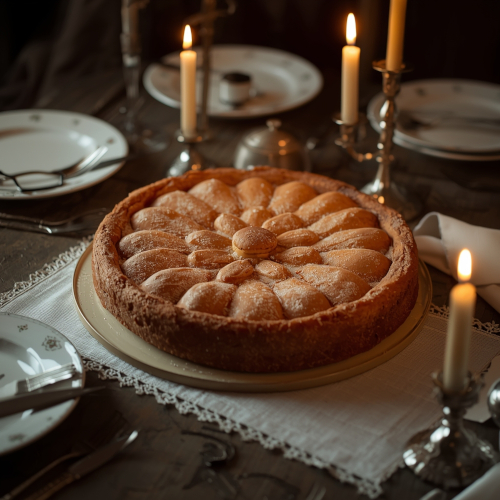
Traditional French King Cake (Galette des Rois): Authentic Recipe & Variations | Bona Sanitas
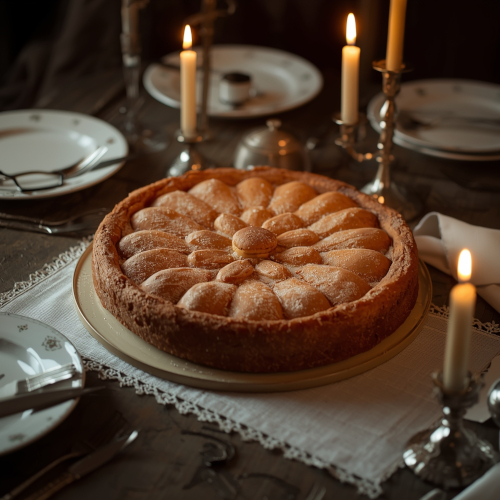
Traditional French King Cake (Galette des Rois): Authentic Recipe and Variations
The Galette des Rois is one of the most beloved traditions in French culinary culture — a golden, crisp disc of butter puff pastry concealing a layer of silky almond frangipane, within which a small ceramic charm (the fève) has been hidden. Whoever discovers the charm in their slice becomes king or queen for the day, receives the golden crown, and, in many households, must buy the next galette. It is a ritual of shared pleasure, mild suspense, and genuine warmth that takes place throughout January, making the beginning of the new year feel like a celebration rather than an ending.
This complete guide offers the authentic frangipane galette recipe alongside two gourmet variations — chocolate-hazelnut and apple-caramel — all with detailed step-by-step instructions, pastry chef tips, and guidance on the traditions surrounding the cutting and sharing of the cake. Find this and more seasonal baking inspiration in our healthy recipes collection, and visit our romantic cuisine collection for more ideas on creating memorable shared moments around the table.

History and Tradition: From Roman Saturnalia to Modern January Ritual
The King Cake tradition is older than France itself. Its roots extend to the Roman festival of Saturnalia, a winter celebration during which normal social hierarchies were temporarily inverted — masters served slaves, and a “king” was chosen by lot to preside over the festivities. When Christianity spread through the Roman Empire, the Church incorporated and reframed this custom, associating the drawing of lots and the selection of a temporary king with the Feast of Epiphany on January 6th — the day commemorating the arrival of the Three Wise Men (the Magi, the Rois) at the manger in Bethlehem.
In France, the tradition crystallized around a pastry that contained a hidden object. Originally this was a simple bean — the French word fève, still used for the charm today, literally means “broad bean.” By the nineteenth century, the dried bean had been replaced by small porcelain figurines, and by the twentieth century by an industry of elaborately designed ceramic charms that have become collectibles in their own right. Contemporary bakers compete each year to produce original, artist-designed fèves, and serious collectors trade and catalog hundreds of different pieces.
In France today, two distinct galette traditions coexist along a rough north-south divide. In the north and most of the country, the galette des rois is the version described here: a disc of all-butter puff pastry enclosing a frangipane filling. In the south, particularly in Provence and the Languedoc, the equivalent is the gâteau or couronne des rois — a ring-shaped brioche perfumed with orange blossom water and decorated with candied fruits, closer in spirit to the king cakes of Spain and Latin America. This guide focuses on the northern puff pastry version, the more technically demanding and arguably more widely replicated of the two.
Understanding the Technique: What Makes an Exceptional Galette
The galette des rois asks relatively little of its baker in terms of exotic ingredients or equipment — puff pastry, almonds, butter, eggs, sugar, and a vanilla bean are all it requires — but it asks a great deal in terms of understanding why each step matters. A galette that comes out of the oven looking magnificent, with a deep golden crust, sharply defined scored patterns, and a filling that has risen evenly without overflow, is the product of several small but critical decisions made correctly.
Puff pastry quality is paramount. The crust is the most visually prominent element of the galette and the one most immediately evaluated by an experienced taster. All-butter puff pastry — purchased or homemade — produces layers that puff dramatically and develop a rich, golden color with a pronounced buttery flavor. Pastry made with margarine or a butter-fat blend will puff less, brown differently, and taste noticeably inferior. If you are buying rather than making the pastry, spend the extra money on an all-butter version.
Frangipane is a blend of two creams. Many home bakers make the mistake of filling their galette with almond cream alone. Authentic frangipane is a mixture of almond cream (crème d’amandes) and pastry cream (crème pâtissière) in approximately a 2:1 ratio. The pastry cream lightens the texture, reduces richness, and prevents the filling from being overpoweringly sweet. The result is a filling that is creamy, smooth, and delicately flavored rather than dense and cloying.
Cold pastry is essential. Puff pastry must be cold — ideally just above freezing — when it enters the oven. The dramatic puffing that makes puff pastry so spectacular is caused by water in the butter vaporizing rapidly when it encounters oven heat, pushing the layers apart. If the butter has softened before baking, it simply melts into the dough rather than creating steam, and the pastry becomes greasy and flat rather than airy and layered. Refrigerate the assembled galette for 15 minutes before the first glaze application, again after the second glaze, and work quickly during assembly to keep the pastry as cold as possible.
The scored pattern is functional, not merely decorative. The shallow cuts made across the surface of the galette with the tip of a knife serve two purposes: they allow steam to escape from the filling during baking, preventing the top crust from lifting unevenly, and they create channels through which the egg glaze pools and concentrates, producing the characteristic deep golden lines against the lighter crust. The small steam vents cut through the pastry serve a similar function.
Classic Galette des Rois with Frangipane
The authentic, traditional recipe that has been made in French homes and bakeries for generations.
For 6–8 servings:
For the puff pastry:
- 2 rolls of all-butter puff pastry (or 500g homemade), well chilled
- 1 porcelain charm (fève)
- 1 golden paper crown for serving
For the pastry cream (crème pâtissière):
- 250ml (1 cup) whole full-fat milk
- 3 egg yolks
- 50g (¼ cup) caster sugar
- 20g (2½ tablespoons) cornflour (cornstarch)
- 1 vanilla bean, split and scraped
For the almond cream (crème d’amandes):
- 125g (½ cup + 1 tablespoon) unsalted butter, at room temperature
- 125g (⅔ cup) caster sugar
- 125g (1¼ cups) ground almonds (almond flour)
- 2 large eggs, at room temperature
- 1 tablespoon dark rum or ½ teaspoon bitter almond extract
- 1 small pinch of fine salt
For the glaze:
- 2 egg yolks
- 1 tablespoon whole milk
Step-by-step instructions:
- Make the pastry cream: Place the split vanilla bean and its scraped seeds in the milk in a medium saucepan and bring to a gentle simmer over medium heat. In a bowl, whisk the egg yolks and sugar together until the mixture lightens slightly in color, then whisk in the cornflour until smooth. Pour the hot milk slowly over the egg mixture while whisking constantly to temper the eggs. Return everything to the saucepan and cook over medium heat, stirring constantly with a spatula, until the cream thickens and comes to a gentle boil — about 2–3 minutes after the first bubbles appear. Transfer immediately to a clean bowl, press cling film directly onto the surface to prevent a skin forming, and refrigerate until completely cold. This can be done the day before.
- Make the almond cream: Beat the softened butter and caster sugar together in a bowl until pale, light, and noticeably fluffy — 3–4 minutes with an electric mixer. Add the ground almonds and mix thoroughly. Add the eggs one at a time, beating well after each addition. Add the rum or bitter almond extract and the pinch of salt, and mix until the cream is smooth and homogeneous.
- Assemble the frangipane: Remove the cold pastry cream from the refrigerator and whisk it briefly until smooth. Add the almond cream to the pastry cream and fold gently together until the mixture is uniform. The frangipane should be thick, smooth, and spreadable — not runny. If it seems too soft, refrigerate for 30 minutes before using.
- Prepare the pastry base: Preheat the oven to 180°C (350°F / Gas Mark 4). Line a baking sheet with parchment paper. Unroll the first sheet of puff pastry onto the lined baking tray, keeping the backing paper underneath. Using a plate or ring as a guide, cut a circle approximately 24–26cm in diameter. Lightly prick the center area with a fork, leaving a clear 2cm border around the edge untouched.
- Fill and place the charm: Spread the frangipane evenly over the pricked center of the pastry base, smoothing the surface with a palette knife and leaving the 2cm border clean. The layer should be approximately 1.5cm deep — do not overfill. Press the porcelain charm gently into the frangipane off-center, avoiding the exact center of the cake (this prevents it being cut through when portioning).
- Seal the galette: Brush the clean pastry border lightly with water using a pastry brush. Cut the second sheet of puff pastry into a slightly larger circle — approximately 27–28cm — and lay it carefully over the filling. Press the edges firmly together with your fingertips, then crimp them with the tines of a fork to create a decorative, well-sealed border. The seal is critical: any gap will allow frangipane to escape during baking.
- First glaze: Mix the egg yolks and milk together to form the glaze. Brush the entire surface of the galette generously with a first coat of egg glaze, being careful not to let it drip down the cut pastry edges (which would prevent those layers from separating during baking). Refrigerate for 15 minutes.
- Score and second glaze: Remove from the refrigerator and apply a second coat of egg glaze. Using the tip of a sharp knife, score decorative patterns into the surface — a classic rosette, parallel diagonal lines in a chevron pattern, or radiating lines from center to edge — pressing only lightly enough to mark the surface without cutting through to the filling. Also make 3–4 small steam vents by pressing the knife tip through the pastry in inconspicuous spots near the center.
- Final chill: Return the galette to the refrigerator for a further 15 minutes before baking. This final chilling is what ensures maximum puff in the oven.
- Bake: Bake for 35–40 minutes until the galette is deeply golden and the pastry has puffed dramatically. If the surface is browning too quickly after 25 minutes, lay a sheet of aluminum foil loosely over the top for the remaining baking time. For an optional extra sheen, brush the hot galette with a sugar syrup (2 tablespoons sugar dissolved in 2 tablespoons water, brought briefly to a boil) 5 minutes before the end of baking.
- Cool and serve: Transfer to a wire rack and allow to cool for at least 20 minutes before serving. The galette can be served warm or at room temperature — both are excellent, though warm is particularly spectacular.
Total time: 1 hour 25 minutes (plus cooling)

Variation 1: Chocolate and Hazelnut Galette
A modern, intensely satisfying variation for chocolate lovers, replacing the almond frangipane with a rich chocolate-hazelnut filling.
For the chocolate-hazelnut filling:
- 100g (7 tablespoons) unsalted butter, at room temperature
- 100g (½ cup) caster sugar
- 100g (1 cup) ground hazelnuts
- 2 large eggs, at room temperature
- 50g (1¾ oz) 70% dark chocolate, melted and cooled slightly
- 2 tablespoons unsweetened cocoa powder
- 2 tablespoons good-quality chocolate-hazelnut spread (optional, for extra richness)
Step-by-step instructions:
- Make the filling: Beat the softened butter and sugar together until pale and creamy. Incorporate the ground hazelnuts and mix thoroughly. Add the eggs one at a time, beating well between additions. Add the melted chocolate and cocoa powder and mix until completely homogeneous and glossy. If using chocolate-hazelnut spread, fold it in at this stage for an ultra-rich result.
- Assemble and bake: Follow the assembly, glazing, scoring, and baking instructions from the classic recipe above, substituting this filling for the frangipane. The baking time and temperature are identical.
Serving suggestion: This galette is exceptional served slightly warm with a generous pour of warm vanilla custard or a scoop of good vanilla ice cream.
Variation 2: Apple and Salted Caramel Galette
A refined, seasonal variation that celebrates caramelized apples and the distinctly French tradition of salted butter caramel.
For the caramelized apples:
- 4 firm apples (Golden Delicious, Gala, or Cox), peeled, cored, and cut into small cubes
- 50g (3½ tablespoons) unsalted butter
- 80g (6 tablespoons) light brown sugar
- 1 teaspoon ground cinnamon
- Juice of ½ lemon
For the lightened almond cream:
- 75g (5 tablespoons) unsalted butter, at room temperature
- 75g (6 tablespoons) caster sugar
- 75g (¾ cup) ground almonds
- 1 large egg
- 1 tablespoon Calvados (apple brandy) — optional
For the salted butter caramel:
- 100g (½ cup) caster sugar
- 50g (3½ tablespoons) salted butter, cut into cubes
- 100ml (⅓ cup + 1 tablespoon) heavy cream, warmed
Step-by-step instructions:
- Make the almond cream: Beat the butter and sugar until light and creamy. Mix in the ground almonds, then the egg, then the Calvados if using. Set aside.
- Caramelize the apples: Melt the butter in a wide frying pan over medium-high heat. Add the apple cubes, brown sugar, cinnamon, and lemon juice. Cook, stirring occasionally, for 8–10 minutes until the apples are tender and coated in a deep golden caramel. Transfer to a plate and allow to cool completely.
- Make the caramel: Place the sugar in a clean, heavy-bottomed saucepan over medium heat. Without stirring, allow the sugar to melt and turn a deep amber color — watch carefully, as caramel can go from perfect to burnt very quickly. Remove from heat and immediately add the cold butter cubes, whisking vigorously (the mixture will bubble dramatically). Add the warm cream in a steady stream, continuing to whisk until smooth. Allow to cool to room temperature.
- Assemble: Spread the almond cream over the prepared pastry base. Layer the cooled caramelized apples evenly over the almond cream. Spoon the cooled salted caramel generously over the apples, spreading it to fill the gaps. Insert the charm. Seal, glaze, score, and bake as directed in the classic recipe.
Serving suggestion: This galette reaches its full potential served warm alongside a scoop of vanilla ice cream or a spoonful of lightly sweetened crème fraîche.
Professional Tips for a Perfect Galette
Never overfill. A layer of frangipane approximately 1.5cm deep is sufficient and ideal. More than this creates pressure during baking that forces the filling through the sealed edges, creating a mess and compromising the pastry’s structure. The 2cm clean border is not a suggestion — it is a structural requirement.
Keep everything cold. The transformation of water in butter into steam is what makes puff pastry puff. If the butter has softened before baking begins, it melts gradually rather than steaming explosively, and the characteristic layers collapse rather than separating. Work quickly, keep the assembled galette refrigerated between steps, and never let the pastry sit at room temperature for extended periods.
Two glazes, not one. A single coat of egg glaze produces acceptable color. Two coats, with a refrigeration period between them, produce the deep, lacquered, professional-looking finish that distinguishes a bakery-quality galette from a home version. The second coat also helps seal any small cracks or imperfections in the surface pattern.
Score only the top pastry. The knife tip should penetrate the pastry no more than 1–2mm — enough to mark the surface and create channels for the glaze to pool, but not deep enough to cut through to the filling. If you cut too deeply and create holes, frangipane will well up through them during baking and obscure the pattern.
Manage the charm placement carefully. The charm should be placed off-center and away from the edges. Near the center, it risks being cut through during portioning. Near the edges, it may work its way out through the sealed border during baking. The ideal placement is roughly two-thirds of the way from the center toward the edge, in any direction.
The Cutting Ritual and the Tradition of the Youngest Child
The cutting and sharing of the galette follows a ritual that is as much a part of the tradition as the pastry itself. The youngest person present goes under the table while the galette is cut into equal portions — one per person plus one additional portion, traditionally set aside for an unexpected guest, a passerby, or as an offering. From under the table, unable to see, the youngest child calls out names to designate who receives each slice. This ensures the distribution is completely impartial and free from any strategic manipulation.
Whoever finds the charm in their slice becomes king or queen, puts on the golden crown, and receives the good luck and playful homage of the table for the rest of the occasion. In many families, the king or queen then nominates a queen or king — their royalty partner — who also receives a crown. The tradition continues throughout January in France, with galettes appearing at family gatherings, school classrooms, office breaks, and any occasion that calls for a shared sweet moment.
Storage, Serving, and Pairings
A galette is at its absolute best on the day it is baked, when the pastry is at maximum crispness and the frangipane still has a slight warmth from the oven. On the second day it remains excellent, though the pastry will have softened slightly. Store at room temperature in an airtight container or under a cake dome — never in the refrigerator, as the moisture will accelerate the softening of the puff pastry. To restore crispness, warm it for 5–8 minutes in a preheated 150°C oven just before serving.
Traditionally the galette is served with artisanal sweet cider — the natural, slightly fizzy, fruity quality of a good cider is the classic French accompaniment and flatters the richness of the frangipane particularly well. Brut champagne or a dry sparkling wine works beautifully for festive occasions. For children, warm hot chocolate or sparkling apple juice are natural partners. A good strong breakfast tea or black coffee cuts pleasantly through the sweetness and richness for those who prefer something less sweet alongside.
Explore more classic French-inspired recipes in our collection of wellness recipes, and find the full range of our seasonal baking and celebration cooking in our recipes archive. For elegant recipes designed for special occasions and shared moments, visit our romantic cuisine collection.
More information on the King Cake here.