
Finding Balance: How to Manage Stress Every Day | Bona Sanitas

Finding Balance: How to Manage Stress Every Day
Stress is an unavoidable part of modern life. It sharpens focus, motivates action, and helps you rise to challenges. But when the pressure never lets up, the body pays a price — in disrupted sleep, low energy, frayed mood and declining health. The good news: you don’t need to eliminate stress to feel better. You need smarter tools to manage it, recover from it, and build genuine resilience over time.
This guide brings together practical, science-backed strategies drawn from stress physiology, mindfulness research, nutrition science and behavioral health. Whether you’re navigating a demanding work period, personal upheaval or simply the relentless pace of everyday life, these approaches can help you reclaim a sense of calm and steadiness. This article is part of our collection of wellness practices designed to support you in building a healthier, more balanced daily life.
Think of what follows not as a checklist to complete, but as a toolkit to draw from. Choose one or two practices that resonate with where you are right now, and build gradually from there.

Understanding Stress: The Body’s Natural Response
When your brain perceives a threat — whether physical danger or a looming deadline — it activates the hypothalamic-pituitary-adrenal (HPA) axis and the sympathetic nervous system. Adrenaline floods your bloodstream within seconds. Cortisol follows, sustaining a heightened state of alertness. Heart rate rises, digestion slows, muscles tense, and attention narrows. This is the “fight-or-flight” response, and it has kept humans alive for millennia.
In short bursts, this response is adaptive and even beneficial. Athletes use it to perform. Professionals use it to focus under pressure. The problem emerges when this system stays activated for weeks or months at a time — a phenomenon researchers now call chronic stress. According to the American Psychological Association, chronic stress is associated with a wide range of health consequences, from cardiovascular disease to immune suppression and mental health disorders.
Understanding this physiology matters because it reframes the goal: the aim is not to remove stress entirely, but to improve your body’s ability to activate and then recover from the stress response. That capacity for recovery is what researchers define as resilience — and it can be trained.
The Hidden Costs of Chronic Stress
When stress becomes the baseline rather than the exception, the body begins to break down in predictable ways. Elevated cortisol over extended periods disrupts virtually every major system in the body. Inflammation increases, which is a root driver of cardiovascular disease, metabolic disorders, and accelerated aging. The immune system becomes dysregulated, leaving you more vulnerable to infections and slower to heal.
Sleep suffers significantly. Cortisol follows a natural rhythm — peaking in the morning and dropping through the evening — but chronic stress disrupts this cycle, keeping cortisol elevated at night when it should be low. The result is difficulty falling asleep, fragmented rest and morning fatigue that compounds day after day.
Cognitive function takes a hit too. The prefrontal cortex — responsible for planning, decision-making, and emotional regulation — becomes less active under sustained stress, while the amygdala (the brain’s threat-detection center) becomes hyperactive. This is why stressed people often feel reactive, impulsive and struggle to think clearly. Recognizing these signs early — persistent tension, irritability, digestive issues, low motivation — creates the opportunity to intervene before patterns solidify.
Breathing and Mindfulness: Fast Tools That Reset the Nervous System
Of all the stress management tools available, controlled breathing is among the most immediate and accessible. Slow, deliberate breathing activates the parasympathetic nervous system — the body’s “rest and digest” counterpart to the stress response — reducing heart rate, lowering blood pressure, and signaling safety to the brain. The effect is measurable within minutes.
Several techniques have strong research support. Box breathing (also called four-square breathing) involves inhaling for four counts, holding for four, exhaling for four, and holding again for four — repeated four to six times. It is widely used by military and emergency responders precisely because it works quickly under acute stress. The 4-7-8 method — inhale for four counts, hold for seven, exhale for eight — produces a pronounced calming effect and is particularly effective before sleep or high-pressure situations.
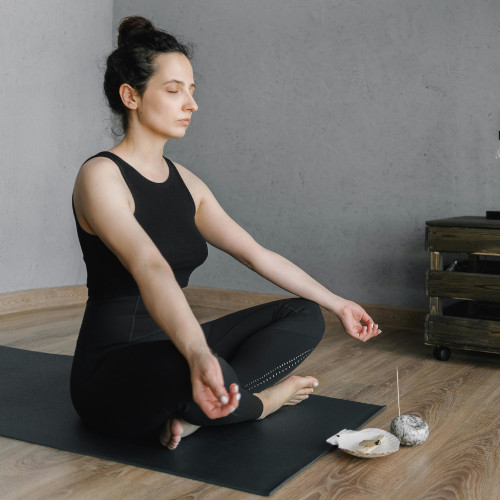
Mindfulness meditation operates at a deeper level. Regular practice — even 5 to 10 minutes daily — gradually changes the brain’s structure and function, increasing activity in areas associated with attention and emotional regulation, while reducing amygdala reactivity. Beginners often find guided sessions through apps or short online programs helpful for establishing a consistent practice without pressure. The key insight from decades of research, summarized by institutions like the Harvard Medical School, is that mindfulness works not by eliminating difficult thoughts or feelings, but by changing your relationship to them — creating a small but crucial space between stimulus and reaction.

Nutrition, Sleep and Movement: The Triad of Stress Resilience
Stress management is not only a mental practice — it is deeply embodied. Three lifestyle pillars form the foundation that determines how well your nervous system handles pressure and recovers from it.
Nutrition and the stress-diet connection: The gut-brain axis means that what you eat directly influences mood, energy and stress reactivity. Magnesium — found in leafy greens, legumes, nuts and pumpkin seeds — plays a critical role in regulating the HPA axis and calming nervous system activity. Omega-3 fatty acids (from fatty fish, walnuts and flaxseed) reduce neuroinflammation and support the production of mood-regulating neurotransmitters. Complex carbohydrates (oats, sweet potato, quinoa) stabilize blood glucose, which in turn stabilizes mood and concentration. Conversely, high intake of refined sugar and excess caffeine during high-stress periods amplifies cortisol output and worsens anxiety. Staying well hydrated is equally important — even mild dehydration elevates cortisol. For practical ideas, explore our collection of wellness recipes designed to nourish both body and mind.
Sleep as a recovery tool: Sleep is the body’s primary mechanism for clearing stress hormones, consolidating memory and restoring emotional balance. Cortisol and sleep are deeply intertwined — poor sleep raises cortisol, and elevated cortisol disrupts sleep, creating a self-reinforcing cycle. Prioritizing consistent sleep and wake times, reducing bright screen exposure in the two hours before bed, keeping the bedroom cool and dark, and establishing a short wind-down routine (breathing, a warm shower, light reading) can collectively produce significant improvements in sleep quality. Even modest gains in sleep duration and depth meaningfully lower stress reactivity the following day.
Movement as medicine: Physical activity is one of the most robustly supported stress interventions in the literature. Aerobic exercise reduces cortisol and adrenaline levels, stimulates the release of endorphins, and promotes the growth of new neurons in brain regions involved in emotional regulation. The dose needed is surprisingly modest — 20 to 30 minutes of moderate activity most days produces measurable benefits. Strength training adds its own benefits, supporting hormonal balance and sleep quality. Gentler practices — yoga, tai chi, slow walking in nature — are particularly valuable for highly stressed individuals because they combine movement with breathing and present-moment awareness. Even a 10-minute walk after a tense meeting can meaningfully shift your physiological state. Our wellness practices section includes additional guidance on integrating movement into a busy day.
Reframing Stress: Changing Your Relationship With Pressure
One of the most important findings in stress research over the past two decades is that how you perceive stress influences its physiological impact as much as the stress itself. Stanford psychologist Kelly McGonigal has popularized research showing that people who view stress as harmful — as something to be avoided or feared — experience worse health outcomes than those who view it as a normal, manageable part of life. The difference is not denial, but interpretation.
Cognitive reframing involves deliberately shifting perspective on stressful experiences. Viewing a demanding situation as a challenge rather than a threat — asking “what can I learn here?” rather than “why is this happening to me?” — triggers a different physiological response, with less cortisol and more growth-oriented hormones. This is a trainable skill, not a personality trait.
Practical tools for building this capacity include daily gratitude journaling (writing one to three specific things you appreciated that day), emotion labeling (naming what you feel for 20 to 30 seconds, which research shows reduces amygdala activity), and deliberate self-compassion practices (treating yourself with the same understanding you’d offer a good friend in a hard moment). Small, voluntary exposures to manageable challenges also build confidence and reduce the perceived threat level of future stressors. Over time, these practices train the nervous system to respond with curiosity and competence rather than panic.
Social Connection and Nature: Low-Cost, High-Impact Stress Relief
Human beings evolved as social animals, and the nervous system reflects this. Genuine social connection activates the release of oxytocin, a hormone that directly counteracts the stress response, reducing cortisol and promoting feelings of safety and trust. Brief but real conversations with friends, family members or colleagues — conversations that involve mutual acknowledgment rather than just information exchange — have measurable calming effects. Even a short phone call with someone you trust can shift your physiological state within minutes.
Time in natural environments has similarly well-documented benefits. Research consistently shows that spending time among trees, near water or in green spaces lowers heart rate, reduces cortisol and improves mood — effects that appear even with relatively short exposures of 10 to 20 minutes. Urban green spaces, parks and even tending plants at home produce meaningful benefits. The combination of social connection and natural settings — a walk with a friend in a park, for instance — is particularly effective.
What these two practices share is accessibility. Neither requires money, equipment or significant time commitment. They work precisely because they address the underlying need the stress response creates: the need for signals of safety, belonging and environmental predictability.

Building a Practical Daily Stress-Relief Routine
Knowing what works is only half the equation. The other half is consistency — building small practices into the rhythm of your day until they become as automatic as brushing your teeth. The following template is a starting point, not a prescription. Adapt it to your schedule, preferences and current stress level.
Morning (5 to 10 minutes): Upon waking, drink a glass of water before reaching for your phone. Spend two to three minutes on slow breathing — the 4-7-8 method or simple diaphragmatic breathing. Write or mentally note one specific thing you’re grateful for. This sequence activates the parasympathetic system, hydrates the brain, and primes a constructive mindset before the day’s demands begin.
Midday (10 to 15 minutes): Step away from your workspace for lunch, even briefly. Eat without screens if possible — mindful eating slows the nervous system and improves digestion. After eating, take a short walk, even five to ten minutes. Use one minute of slow breathing to transition between major tasks rather than moving immediately from one high-demand activity to the next.
Evening (15 to 30 minutes): Begin winding down 60 to 90 minutes before sleep. This means dimming screens, reducing stimulating content, and engaging in gentler activities. Light stretching or yoga, a warm shower, journaling three positive observations from the day, and a brief breathing practice create a physiological transition that supports deeper, more restorative sleep.
Consistency across even three or four of these practices, maintained over several weeks, produces measurable reductions in baseline stress reactivity and meaningful improvements in energy, mood and sleep quality.
When to Seek Additional Support
The practices in this guide are powerful and evidence-based, but they are not a substitute for professional care when stress has reached a clinical level. If you are experiencing persistent insomnia lasting more than a few weeks, panic attacks, severe low mood that affects daily functioning, substance use as a coping mechanism, or thoughts of self-harm, reaching out to a healthcare provider, psychologist or therapist is the right step — not a sign of failure.
Cognitive behavioral therapy (CBT) and its stress-specific variants have an exceptionally strong evidence base for treating anxiety disorders, chronic stress and related conditions. Many therapists now offer remote sessions, and community mental health resources are available in most regions. Asking for support when you need it is among the most intelligent and constructive things you can do for your long-term wellbeing.
Stress is universal, but suffering under its weight indefinitely is not inevitable. With the right tools, the right support and a consistent commitment to small daily practices, genuine balance is achievable — not as a permanent state, but as a capacity you can return to again and again. Explore more strategies in our health tips collection and visit our healthy recipes for nutritional support on your wellness journey.
Frequently Asked Questions About Stress Management
How quickly can stress management techniques produce results? Breathing techniques produce effects within minutes. Consistent mindfulness practice shows measurable neurological changes within eight weeks. Sleep and nutrition improvements typically produce noticeable shifts in mood and energy within one to two weeks. Building overall resilience is a longer-term process measured in months, not days. The key is not to look for dramatic overnight transformation but to notice small, cumulative improvements in how you feel, sleep and respond to daily challenges.
Is it possible to completely eliminate stress? No — and the goal shouldn’t be elimination. Moderate stress is associated with optimal performance and motivation. The aim is to develop a responsive nervous system that activates when needed and recovers efficiently, rather than remaining chronically elevated. Pursuing the complete absence of stress often creates its own anxiety, which is counterproductive. A better goal is learning to work with stress skillfully.
Can nutrition really affect how I handle stress? Yes, significantly. Blood sugar stability, gut health and nutrient status all influence cortisol regulation and neurotransmitter production. Magnesium deficiency, for instance, is associated with heightened anxiety and poor stress tolerance. The gut-brain axis means that digestive health and mental wellbeing are closely connected. Discover practical recipes that support this connection in our recipes section.
What is the single most effective stress management practice? Research does not support a single universal answer — effectiveness varies by individual, stress type and context. That said, regular aerobic exercise and consistent sleep have the broadest, most robust evidence bases across populations. For immediate relief, controlled breathing is the most accessible tool with the fastest onset of effect. The most sustainable approach combines two or three practices that you genuinely enjoy and can maintain without it feeling like another obligation.
How does stress affect different people differently? Stress responses vary considerably based on genetics, early life experiences, current health status, social support and the nature of the stressors involved. Some individuals are more physiologically reactive — their cortisol spikes higher and returns to baseline more slowly. Others have naturally robust recovery systems. Understanding your own patterns — what triggers your stress response, how it manifests in your body, and what consistently helps you recover — is as important as any specific technique. Keeping a brief stress journal for two to three weeks can reveal personal patterns that generic advice might miss.
At Bona Sanitas, we believe that sustainable wellbeing is built through small, consistent choices rather than dramatic overhauls. Start where you are, choose one practice from this guide this week, and notice what shifts. Over months, these small investments compound into real resilience and a calmer, more present life. For more support on your journey, explore our full health tips collection and visit our healthy recipes for nutritional foundations that support a balanced nervous system.
Finding balance is not a destination — it is an ongoing, adaptive practice. The small, consistent choices you make today build the nervous system resilience that protects your health, sustains your energy and supports a life lived with greater presence and ease.
