

Cow’s Milk: Between Nutritional Myth and Scientific Reality | Bona Sanitas
Introduction: The Most Debated Beverage in Nutrition
Few foods inspire such passionate debate as cow’s milk. On one side, it’s promoted as “nature’s perfect food”—essential for strong bones, required for children’s growth, a cornerstone of healthy eating. Government dietary guidelines in many countries recommend multiple daily servings. Milk mustache campaigns position it as a health necessity.
On the other side, critics call milk unnatural for humans, point to populations that thrive without dairy, link it to various health problems, and question whether we should consume another species’ baby food. The anti-dairy movement has gained momentum, with plant-based milk alternatives proliferating in grocery stores.
So what’s the truth? Is milk the nutritional powerhouse it’s been marketed as, or an overrated food with hidden health risks? The answer, as with most nutrition questions, is nuanced. The science reveals a complex picture that doesn’t fit neatly into “milk is good” or “milk is bad” categories.
This comprehensive guide examines cow’s milk through the lens of current scientific evidence, addressing common claims and concerns. We’ll explore nutritional benefits, potential risks, who should and shouldn’t consume dairy, and how to make informed decisions about milk in your diet.
For more evidence-based nutrition guidance, explore our healthy recipes collection featuring diverse whole food options.
The Nutritional Profile: What’s Actually in Milk
Macronutrients
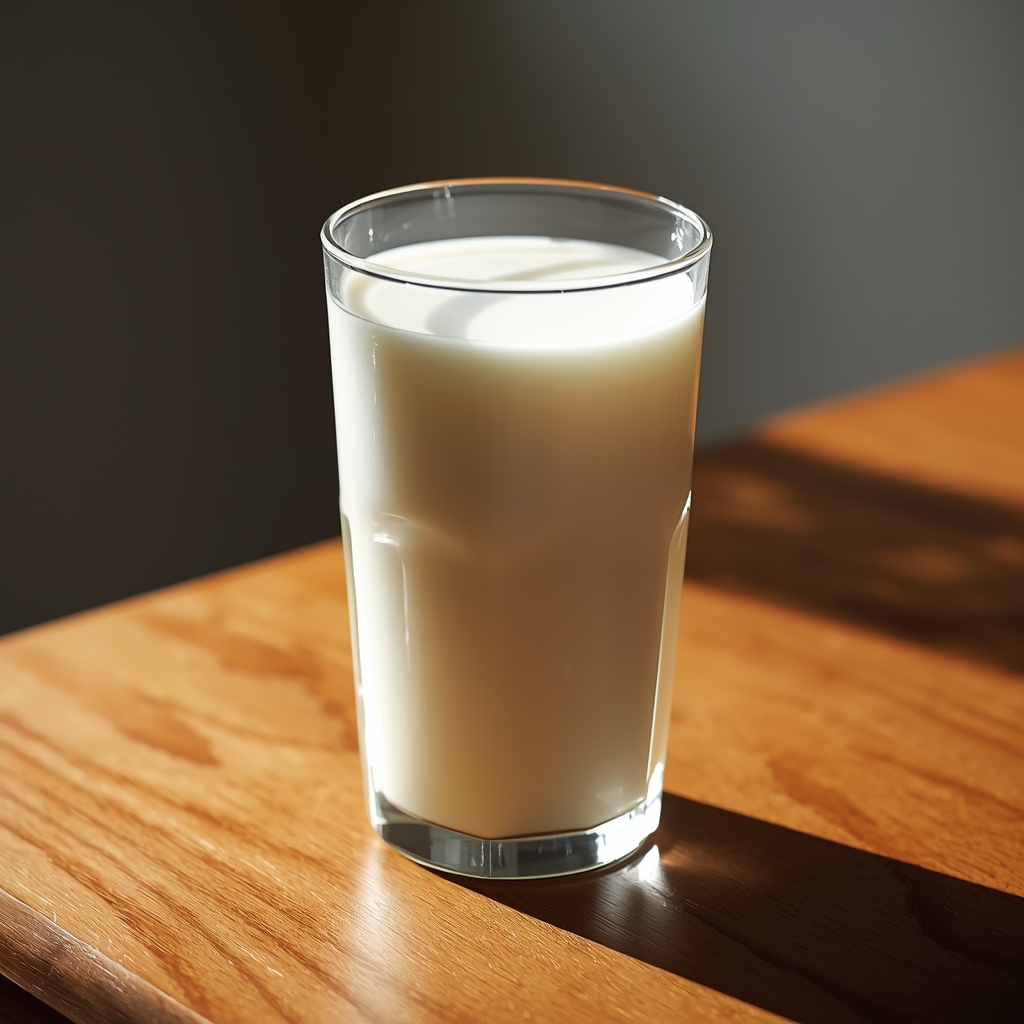
One cup (244g) of whole cow’s milk provides approximately:
- Calories: 150
- Protein: 8 grams of complete protein containing all essential amino acids
- Fat: 8 grams (5g saturated, 2g monounsaturated, 0.3g polyunsaturated)
- Carbohydrates: 12 grams, primarily as lactose (milk sugar)
The fat content varies by milk type: whole milk (3.25% fat), reduced-fat (2%), low-fat (1%), and skim/non-fat (less than 0.5%). The protein and carbohydrate content remains relatively constant across these varieties.
Vitamins and Minerals
Milk is naturally rich in several nutrients and fortified with others:
Calcium: About 300mg per cup (30% of daily needs). Milk is one of the most bioavailable sources of calcium, meaning the body can actually use the calcium it provides. The calcium in milk comes packaged with other nutrients that enhance absorption.
Vitamin D: Most commercial milk is fortified with vitamin D (usually 100 IU per cup), which aids calcium absorption. Natural milk contains minimal vitamin D unless from cows with significant sun exposure.
Vitamin B12: One cup provides about 50% of daily needs. Essential for nerve function and red blood cell formation, B12 is naturally present in animal products.
Riboflavin (B2): About 25% of daily needs per cup. Important for energy metabolism.
Phosphorus: About 25% of daily needs. Works with calcium to build strong bones and teeth.
Vitamin A: Naturally present in whole milk; often added to reduced-fat versions. Supports vision, immune function, and skin health.
Potassium: About 8-10% of daily needs. Important for blood pressure regulation and heart health.
According to the USDA FoodData Central database (source: https://fdc.nal.usda.gov/), milk also provides smaller amounts of magnesium, zinc, selenium, and other micronutrients.
Bioactive Compounds
Beyond basic nutrients, milk contains various bioactive compounds:
Whey and casein proteins: The two main protein types in milk, both high-quality and easily digestible. Whey protein is rapidly absorbed; casein digests more slowly, providing sustained amino acid release.
Conjugated linoleic acid (CLA): A fatty acid found in milk from grass-fed cows, with potential anti-inflammatory and metabolic benefits. Levels are significantly higher in milk from pasture-raised cows.
Omega-3 fatty acids: Present in small amounts, particularly in milk from grass-fed cows. Conventional grain-fed dairy has lower omega-3 content.
The Calcium and Bone Health Question
The Traditional Argument
For decades, the primary argument for milk consumption has centered on calcium and bone health. The logic seems straightforward: calcium builds strong bones, milk is rich in calcium, therefore milk prevents osteoporosis and fractures. This reasoning has driven public health campaigns and dietary recommendations worldwide.
What Research Actually Shows
The relationship between milk consumption and bone health is more complex than simple promotional messages suggest:
Calcium absorption: Milk does provide highly bioavailable calcium. The lactose, vitamin D, and protein in milk all enhance calcium absorption. Studies confirm that calcium from dairy is well-absorbed compared to many other sources.
Fracture prevention evidence is mixed: Large population studies examining milk consumption and fracture rates show inconsistent results. Some studies find protective effects; others find no association; a few even suggest increased fracture risk with very high dairy intake.
A 2014 Swedish study following over 100,000 people for 20 years found that high milk consumption (3+ glasses daily) was associated with higher mortality and fracture rates in women, though these findings may reflect reverse causation (people at higher risk drinking more milk for health reasons).
A 2018 review in the British Medical Journal concluded that evidence doesn’t strongly support milk consumption for fracture prevention in adults. However, adequate calcium intake from all sources is important for bone health, particularly during childhood and adolescence when bone mass is building.
The Bigger Bone Health Picture
Bone health depends on multiple factors beyond just calcium intake:
- Vitamin D: Essential for calcium absorption. Many people are deficient regardless of milk consumption.
- Vitamin K2: Helps direct calcium to bones rather than arteries. Found in fermented foods and grass-fed dairy.
- Magnesium: Required for bone mineralization. Many diets are low in magnesium.
- Physical activity: Weight-bearing exercise is crucial for building and maintaining bone density.
- Protein intake: Adequate protein supports bone health; both too little and excessive amounts may be problematic.
- Overall diet quality: Fruits, vegetables, and whole foods provide nutrients and compounds that support bone health.
Populations with low dairy consumption but adequate calcium from other sources (greens, fish with bones, fortified foods) plus other bone-supporting factors can have excellent bone health. This explains why some Asian populations with traditionally low dairy intake have low fracture rates.
Lactose Intolerance: A Global Perspective
The Prevalence of Lactose Intolerance
Lactose intolerance—the inability to digest milk sugar (lactose) due to insufficient lactase enzyme—affects approximately 65-70% of the global adult population. This isn’t a disease; it’s the biological norm for mammals after weaning.
Prevalence varies dramatically by ancestry:
- East Asian populations: 70-100% lactose intolerant
- African populations: 70-95%
- Hispanic/Latino populations: 50-80%
- Middle Eastern populations: 60-80%
- Northern European populations: 5-15%
- Southern European populations: 15-50%
The ability to digest lactose into adulthood (lactase persistence) is a genetic adaptation that arose in some populations practicing dairy farming. It’s not that most people have a “problem” with milk; rather, some populations developed an unusual adaptation to continue consuming it.
Symptoms and Severity
Lactose intolerance symptoms include bloating, gas, diarrhea, and abdominal discomfort after consuming dairy. Severity varies widely—some people can tolerate small amounts or fermented dairy (yogurt, cheese) which contain less lactose, while others experience symptoms from minimal exposure.
Many lactose-intolerant individuals can consume moderate amounts of dairy without issues, particularly when spread throughout the day or consumed with other foods. The threshold varies individually.
Solutions for Lactose-Intolerant Individuals
- Lactose-free dairy: Milk with lactase enzyme added, providing the same nutrients without lactose
- Fermented dairy: Yogurt and kefir contain beneficial bacteria that help digest lactose
- Hard cheeses: Aged cheeses like cheddar and parmesan are very low in lactose
- Lactase supplements: Enzyme pills taken before consuming dairy
- Plant-based alternatives: Fortified soy, oat, almond, or other plant milks
Milk and Disease Risk: Examining the Evidence
Cancer Concerns
Several cancers have been linked to dairy consumption in various studies, creating confusion and concern:
Prostate cancer: Some studies suggest high dairy intake (particularly from skim/low-fat milk) is associated with increased prostate cancer risk. The mechanism may involve IGF-1 (insulin-like growth factor 1), which milk consumption can increase. However, the evidence is inconsistent, and if an association exists, it appears related to very high intake (3+ servings daily).
Ovarian cancer: Limited evidence suggests possible increased risk with high lactose intake, potentially related to galactose (a breakdown product of lactose). However, studies are inconsistent.
Colorectal cancer: Some evidence suggests dairy consumption may actually be protective against colorectal cancer, possibly due to calcium and vitamin D.
Research from the National Cancer Institute (source: https://www.cancer.gov/) indicates that relationships between dairy and cancer are complex and likely depend on amount consumed, type of dairy product, and individual factors.
Cardiovascular Health
For years, the saturated fat in whole milk was considered a cardiovascular risk. Current evidence presents a more nuanced picture:
Recent research suggests: Dairy consumption, including full-fat dairy, is not associated with increased cardiovascular disease risk in most studies. Some research even suggests modest protective effects, particularly from fermented dairy like yogurt.
The fat matrix matters: Saturated fat in dairy appears to behave differently than saturated fat from other sources, possibly due to the food matrix and other compounds in milk that may counteract potential negative effects.
Individual variation exists: Some people’s cholesterol levels respond more to dietary saturated fat than others. Personal response should be considered when deciding on full-fat versus low-fat dairy.
Type 2 Diabetes
Multiple studies have found that dairy consumption, particularly fermented dairy, is associated with reduced type 2 diabetes risk. The mechanism isn’t entirely clear but may involve beneficial effects on insulin sensitivity and gut microbiome from fermented dairy products.
Acne and Skin Health
Some evidence links dairy consumption, particularly skim milk, with increased acne in susceptible individuals. The mechanism may involve hormones naturally present in milk or effects on insulin/IGF-1 pathways. For people prone to acne, reducing dairy intake is worth trying to see if skin improves.
Milk for Different Life Stages
Infants
Under 12 months: Cow’s milk should NOT be the primary beverage. Breast milk or infant formula is essential. Cow’s milk lacks adequate iron and other nutrients infants need and can stress immature kidneys. Small amounts in solid foods after 6 months are generally fine.
After 12 months: Whole cow’s milk can be introduced as a beverage if the child tolerates it. The fat content supports brain development. Guidelines typically recommend 16-24 ounces daily for toddlers.
Children and Adolescents
Calcium needs are highest during growth periods. Dairy provides convenient calcium along with protein for growth. However, adequate calcium can also be obtained from other sources:
- Fortified plant milks
- Leafy greens (collards, kale, bok choy)
- Calcium-set tofu
- Fortified orange juice
- Canned fish with bones (sardines, salmon)
Current guidelines recommend 2-3 dairy servings daily for children, but this can be met with alternatives if needed for lactose intolerance, allergies, or dietary preferences.
Adults
For healthy adults who tolerate dairy, moderate consumption (1-2 servings daily) appears safe and can contribute to nutrient intake. However, it’s not essential—plenty of healthy adults thrive without dairy.
Adults should prioritize:
- Getting adequate calcium from various sources (aim for 1000-1200mg daily)
- Ensuring sufficient vitamin D (hard to get from food alone; supplements often needed)
- Maintaining overall diet quality with diverse whole foods
- Staying physically active for bone health
Older Adults
Calcium and protein needs remain important with aging. Dairy provides both in convenient form. However, some older adults develop lactose intolerance or find dairy less appealing. Alternatives include:
- Lactose-free dairy if digestion is an issue
- Yogurt and kefir (easier to digest, provide probiotics)
- Fortified plant milks
- Focus on protein-rich foods and varied calcium sources
Quality Matters: Conventional vs. Organic vs. Grass-Fed
Conventional Dairy
Most commercial milk comes from cows fed primarily grain-based diets, often confined to feedlots. Conventional dairy may contain:
- Trace antibiotics (though milk is tested and rejected if levels exceed safety standards)
- Hormones naturally present in milk (all milk contains hormones; debate exists about rBGH/rBST supplementation in some countries)
- Lower omega-3 and CLA content compared to grass-fed
- Lower vitamin E and beta-carotene
Organic Dairy
Organic certification requires:
- No synthetic pesticides or fertilizers on feed
- No antibiotics or synthetic hormones (rBGH/rBST)
- Access to pasture (though how much varies)
- Organic feed (more expensive, reflected in price)
Nutritional differences between organic and conventional milk are modest. The main advantages are reduced pesticide exposure, no synthetic hormones, and animal welfare/environmental considerations.
Grass-Fed Dairy
Milk from 100% grass-fed cows offers measurable nutritional advantages:
- Higher omega-3 fatty acids (up to 5 times more)
- More CLA (conjugated linoleic acid)
- Higher levels of vitamins E and A
- Better omega-6 to omega-3 ratio
- More antioxidants like beta-carotene (gives milk a yellower color)
However, grass-fed dairy is significantly more expensive and less widely available than conventional options.
Choosing What Works for You
Consider your priorities:
- Budget-conscious: Conventional milk provides core nutrients at lowest cost
- Concerned about hormones/pesticides: Organic milk addresses these concerns
- Optimizing nutrition: Grass-fed offers best nutrient profile but at premium price
- Environmental/ethical: Grass-fed and organic typically involve better animal welfare and environmental practices
Milk Alternatives: Comparing Options
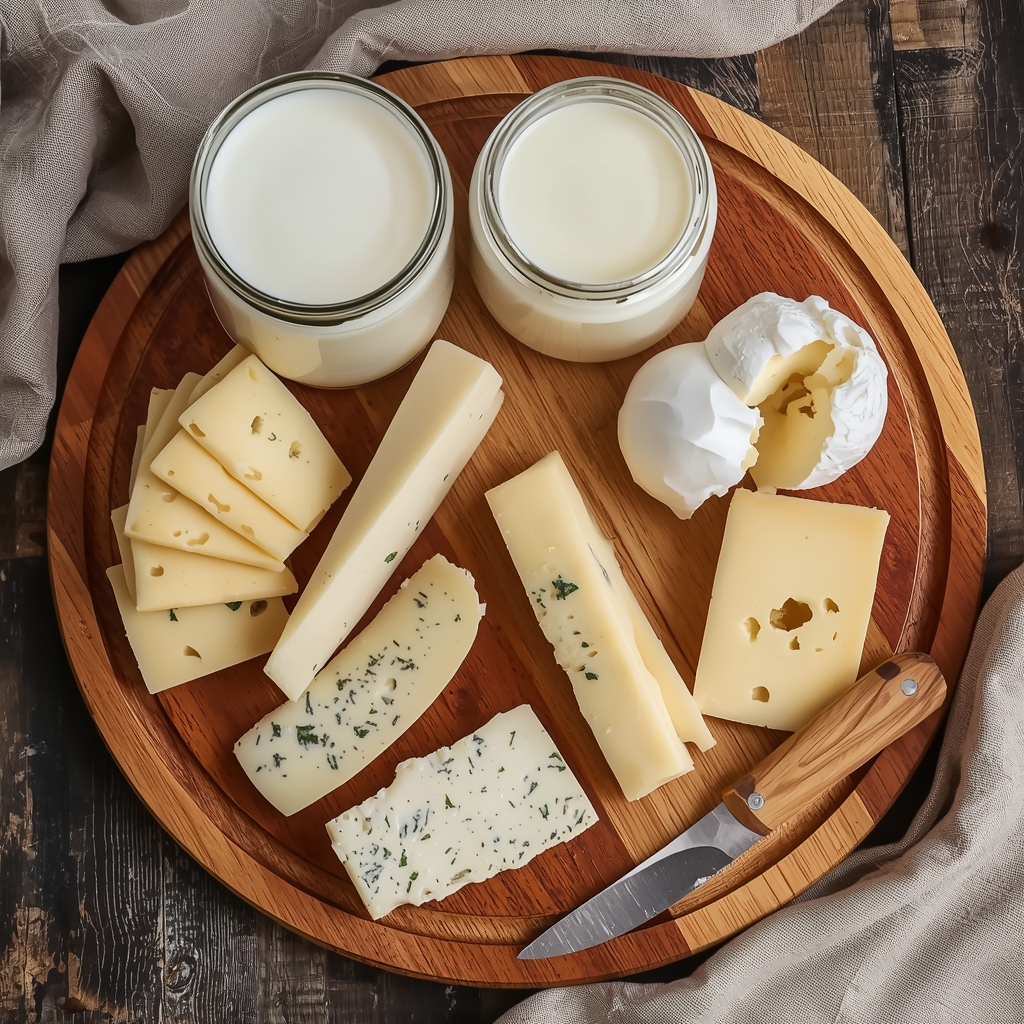
Plant-based milk alternatives have exploded in popularity. Here’s how they compare nutritionally to cow’s milk:
Soy Milk
- Protein: 7-8g per cup (comparable to cow’s milk)
- Calcium: Usually fortified to match cow’s milk
- Complete protein: Yes (rare for plant sources)
- Considerations: Contains isoflavones (beneficial for most, but see our article on soy for details)
Almond Milk
- Protein: 1g per cup (very low)
- Calcium: Usually fortified
- Calories: 30-60 (very low)
- Considerations: Environmentally water-intensive; minimal protein
Oat Milk
- Protein: 2-4g per cup (moderate)
- Calcium: Usually fortified
- Fiber: 2-4g (beneficial)
- Considerations: Higher in carbs/calories than other alternatives; good for coffee due to texture
Coconut Milk
- Protein: 0-1g per cup (minimal)
- Fat: High in saturated fat (different type than dairy)
- Considerations: Rich flavor for cooking; not nutritionally similar to cow’s milk
When choosing plant milks, opt for unsweetened, fortified versions. Check that calcium carbonate is well-distributed (shake before pouring) and that vitamin D and B12 are included in fortification.
Practical Recommendations
Who Should Consider Including Dairy
- People who tolerate it well without digestive issues
- Those who enjoy dairy and want a convenient calcium/protein source
- Children and adolescents needing calcium for growth
- Athletes seeking easily digestible protein
- Older adults struggling to meet protein needs
Who Might Consider Limiting or Avoiding Dairy
- People with lactose intolerance experiencing symptoms
- Those with milk protein allergies (different from lactose intolerance)
- Individuals noticing acne improvements when dairy is eliminated
- People who simply don’t like dairy or prefer alternatives
- Those following plant-based diets for ethical/environmental reasons
How Much is Appropriate
If including dairy:
- Moderate intake: 1-3 servings daily appears safe for most people
- One serving equals: 1 cup (240ml) milk, 1 cup yogurt, 1.5 oz cheese
- Vary sources: Include fermented options (yogurt, kefir) for probiotic benefits
- Choose quality: When budget allows, organic or grass-fed offers advantages
- Full-fat vs. low-fat: Current evidence doesn’t strongly favor one over the other for most people
Conclusion: Making Informed Dairy Decisions
Cow’s milk occupies a complex position in human nutrition—neither the essential superfood it’s been marketed as nor the health hazard some critics claim. The scientific reality is nuanced:
Milk provides convenient, bioavailable calcium and high-quality protein along with other nutrients. For people who tolerate it, moderate consumption can contribute to a healthy diet. However, it’s not nutritionally essential—many populations thrive without dairy by obtaining necessary nutrients from other sources.
The decision to include or exclude dairy should be individualized, considering:
- Tolerance: Can you digest dairy without discomfort?
- Health context: Do you have specific health concerns related to dairy?
- Dietary pattern: Does dairy fit with your overall eating approach?
- Values: Are ethical, environmental, or other factors important to you?
- Preference: Do you enjoy dairy products?
Rather than following dogmatic “dairy is essential” or “dairy is harmful” positions, focus on:
- Getting adequate calcium from various sources (dairy or alternatives)
- Ensuring sufficient vitamin D (supplementation usually needed)
- Consuming adequate protein from diverse sources
- Maintaining overall diet quality with whole foods
- Staying physically active for bone and overall health
- Listening to your body’s response to dairy
The “best” choice about dairy is the one that supports your health, aligns with your values, fits your budget, and contributes to an overall nutritious eating pattern. For some people, that includes dairy. For others, it doesn’t. Both approaches can support excellent health when executed thoughtfully.
Here’s to evidence-based nutrition decisions, honoring individual differences, and moving beyond dairy dogma toward personalized, health-supporting food choices. 🥛🌱💪
For more evidence-based nutrition guidance and diverse meal ideas, explore our complete recipe collection featuring both dairy-containing and dairy-free options.