Balsamic Roasted Brussels Sprouts with Pecans | Thanksgiving side dish | Bona Sanitas
Introduction: The Brussels Sprouts That Convert Skeptics
Brussels sprouts have a reputation problem. Mention them at the holiday table and you’ll likely hear groans, childhood horror stories about mushy, bitter, sulfurous vegetables forced upon unwilling diners. For many people, Brussels sprouts represent everything wrong with vegetables—bland when undercooked, mushy when overcooked, and always vaguely unpleasant.
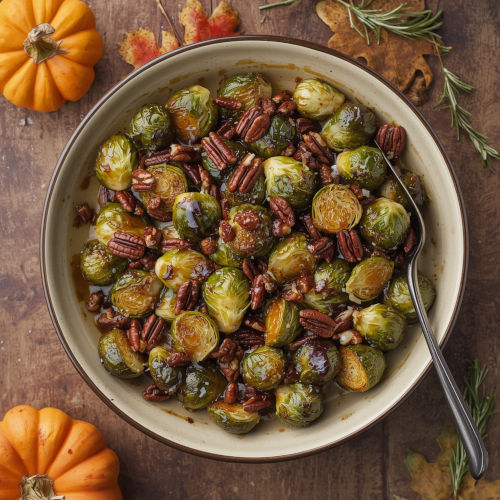
But here’s the truth: properly prepared Brussels sprouts are spectacular. Roasted until crispy and caramelized, glazed with sweet-tangy balsamic reduction, topped with crunchy toasted pecans and perhaps a touch of honey—they become the dish people fight over at Thanksgiving dinner. Even confirmed Brussels sprouts haters find themselves going back for seconds.
This recipe delivers restaurant-quality results with minimal effort. The high-heat roasting transforms the sprouts from bitter to sweet, creating crispy caramelized edges while keeping the centers tender. The balsamic glaze adds depth and complexity, balancing earthy flavors with bright acidity. Pecans provide crunch and richness. It’s a side dish that’s elegant enough for holiday entertaining yet simple enough for weeknight dinners.
Whether you’re planning your Thanksgiving menu, hosting a fall dinner party, or simply want to elevate your vegetable game, these balsamic roasted Brussels sprouts with pecans will exceed expectations. They might even convert a few Brussels sprouts skeptics in the process.
For more delicious holiday recipe ideas, explore our healthy recipes collection featuring seasonal, nutritious dishes.
Why This Recipe Works
The Science of Roasting Brussels Sprouts
Brussels sprouts contain sulfur compounds (glucosinolates) that, when boiled or steamed, break down into smelly, bitter compounds. This is why overcooked boiled Brussels sprouts have such a terrible reputation. High-heat roasting changes everything:
Caramelization: The natural sugars in Brussels sprouts caramelize at high temperatures (around 400-425°F/200-220°C), creating sweet, nutty, complex flavors that balance the vegetable’s natural bitterness.
Maillard reaction: Proteins and sugars react at high heat, creating hundreds of new flavor compounds. This is what gives roasted Brussels sprouts their deep, savory character.
Moisture evaporation: Roasting drives off moisture, concentrating flavors and creating crispy edges rather than soggy texture.
Reduced bitterness: The sulfur compounds break down differently at high dry heat compared to moist heat, resulting in much less bitterness.
The Perfect Flavor Balance
This recipe achieves harmony through contrasting elements:
Sweet + Tangy: Balsamic vinegar provides both sweetness (from grape must) and bright acidity. When reduced, it becomes syrupy and intensely flavorful.
Bitter + Sweet: The natural bitterness of Brussels sprouts (which roasting minimizes but doesn’t eliminate) plays beautifully against the sweet balsamic glaze.
Soft + Crunchy: Tender roasted sprouts contrast with crispy caramelized edges and crunchy toasted pecans.
Rich + Light: Pecans add richness without making the dish heavy. A light hand with oil keeps it from becoming greasy.
Ingredients You’ll Need

For the Brussels Sprouts (Serves 6-8)
- 2 pounds (900g) Brussels sprouts: Choose small to medium sprouts of similar size for even cooking. Fresh is important—avoid yellowing or wilted outer leaves.
- 3 tablespoons olive oil: Extra virgin adds flavor, but regular olive oil works fine for high-heat roasting.
- 1 teaspoon kosher salt: More than you think you need—vegetables require generous seasoning.
- 1/2 teaspoon black pepper: Freshly ground is best.
- 3 cloves garlic, minced: Added halfway through roasting to prevent burning.
For the Balsamic Glaze
- 1/3 cup balsamic vinegar: Quality matters here—use a decent balsamic, not the cheapest available. Aged balsamic is wonderful but not necessary.
- 2 tablespoons honey or maple syrup: Enhances sweetness and helps thicken the glaze.
- 1 tablespoon butter (optional): Adds richness and helps glaze cling to sprouts.
For Finishing
- 3/4 cup pecans, roughly chopped: Toasted until fragrant. Walnuts work well too.
- 2 tablespoons dried cranberries (optional): Adds festive color and sweet-tart bursts.
- Flaky sea salt for finishing: Maldon or similar—adds textural crunch and bright salinity.
- Fresh herbs (optional): Chopped parsley, thyme, or rosemary for garnish.
Step-by-Step Instructions
Prep the Brussels Sprouts
- Preheat your oven to 425°F (220°C): High heat is crucial for caramelization and crispy edges.
- Trim the sprouts: Cut off the stem end and remove any yellowed or damaged outer leaves. Cut each sprout in half lengthwise (through the stem). For very large sprouts, quarter them. Keeping pieces similar in size ensures even cooking.
- Dry thoroughly: Moisture is the enemy of crispiness. Pat the trimmed sprouts completely dry with paper towels or a clean kitchen towel.
- Toss with oil and seasonings: In a large bowl, toss Brussels sprouts with olive oil, salt, and pepper. Use your hands to ensure every sprout is evenly coated. Don’t skimp on the oil—you need enough to coat all surfaces for proper browning.
Roast to Perfection
- Arrange on baking sheet: Spread Brussels sprouts in a single layer on a large rimmed baking sheet, cut side down. This is critical—the cut sides touching the hot pan get beautifully caramelized. Don’t overcrowd; use two pans if necessary.
- Roast undisturbed for 15 minutes: Resist the urge to stir or shake. Leaving them alone allows the cut sides to develop deep caramelization.
- Add garlic, then continue roasting: Toss sprouts (they should release easily from the pan now), add minced garlic, and return to oven. Roast another 10-15 minutes until sprouts are tender when pierced and edges are crispy and deeply browned. Some leaves should be almost charred—this is flavor, not burning.
- Total roasting time: 25-30 minutes depending on sprout size and your oven. Check at 20 minutes and adjust as needed.
Make the Balsamic Glaze
While sprouts roast, prepare the glaze:
- Combine ingredients: In a small saucepan, combine balsamic vinegar and honey (or maple syrup).
- Simmer and reduce: Bring to a boil over medium-high heat, then reduce to a simmer. Cook, stirring occasionally, until reduced by about half and thickened to syrupy consistency, about 8-10 minutes. It should coat the back of a spoon.
- Add butter (optional): Stir in butter off heat for extra richness and shine.
- Keep warm: The glaze will thicken as it cools. If it becomes too thick, thin with a splash of water or more vinegar.
Toast the Pecans
- Dry pan method: Place roughly chopped pecans in a dry skillet over medium heat. Stir frequently until fragrant and lightly toasted, about 3-5 minutes. Watch carefully—they can go from perfect to burnt quickly.
- Oven method: Spread pecans on a small baking sheet and toast in the oven (while Brussels sprouts cook) for 5-7 minutes.
- Cool completely: Toasted nuts continue cooking from residual heat, so remove from the pan immediately.
Assemble and Serve
- Transfer to serving dish: Place hot roasted Brussels sprouts in a serving bowl or platter.
- Drizzle with glaze: Pour most of the balsamic glaze over the sprouts and toss gently to coat. Reserve a little glaze for drizzling over the top.
- Add pecans: Sprinkle toasted pecans over the top.
- Optional additions: Scatter dried cranberries if using. Finish with flaky sea salt and fresh herbs.
- Serve immediately: Brussels sprouts are best served hot, when the contrast between tender centers and crispy edges is most pronounced.
Tips for Success

Choosing Brussels Sprouts
Size matters: Small to medium sprouts (about 1-1.5 inches diameter) are sweetest and most tender. Very large sprouts can be tough and more bitter.
Freshness indicators: Look for bright green color, tightly closed leaves, and firm texture. Avoid yellowing, wilting, or black spots.
On the stalk vs. loose: Brussels sprouts on the stalk are fresher but more expensive. Loose is fine if they look fresh.
Getting Maximum Crispiness
Don’t overcrowd: This is the number one mistake. Overcrowding creates steam, which leads to soggy sprouts. Leave space between each piece.
Use two pans if necessary: Better to use two pans with proper spacing than cram everything onto one.
High heat is essential: Don’t reduce oven temperature. You need 400-425°F minimum for proper caramelization.
Cut side down initially: Maximum surface contact with hot pan creates maximum browning.
Preheat the pan (advanced): For extra crispy results, preheat the empty baking sheet in the oven, then add oiled sprouts to the hot pan.
Timing for Thanksgiving
Make-ahead components: Toast pecans up to 3 days ahead; store in airtight container. Make balsamic glaze up to 1 week ahead; refrigerate and gently rewarm before using.
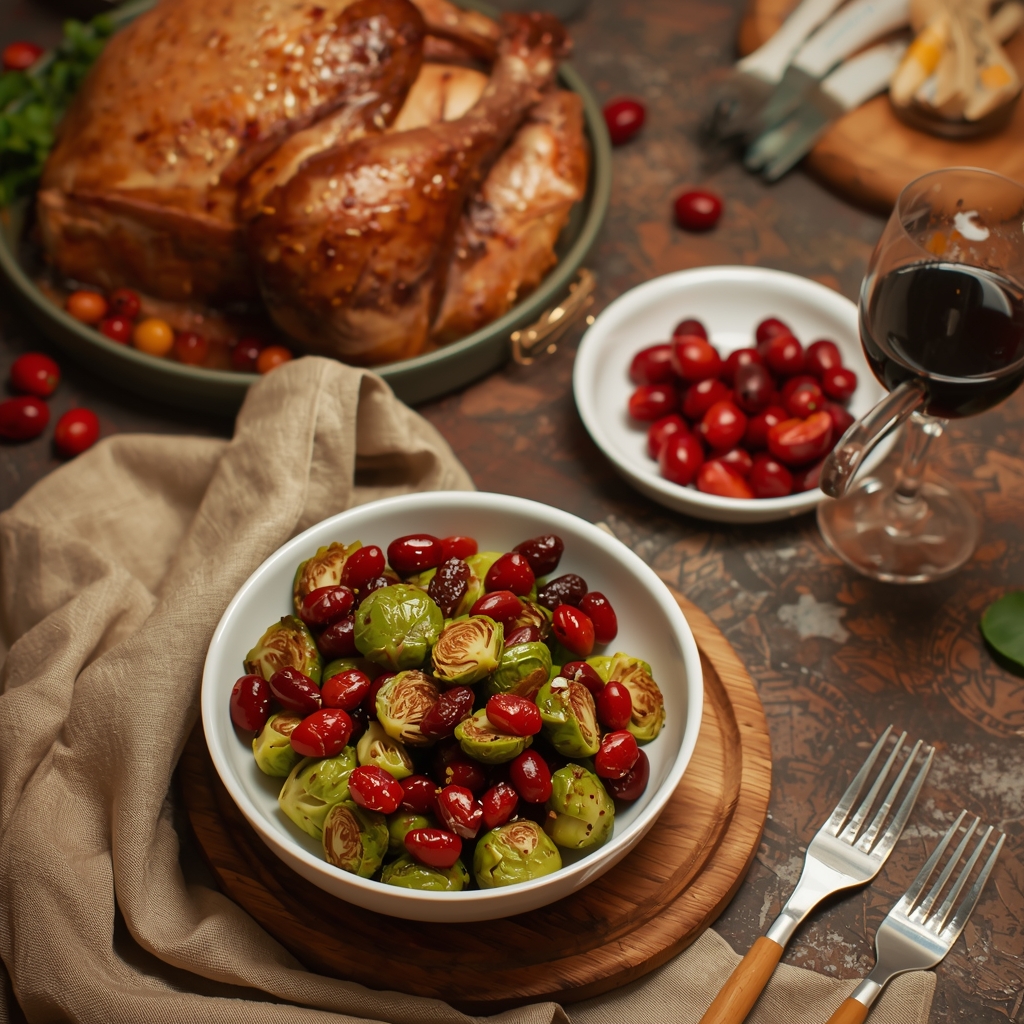
Day-of timing: Roast Brussels sprouts while turkey rests (during that crucial 20-30 minute rest period). They’ll still be hot when you’re ready to serve.
Reheating: If you must make ahead, roast sprouts earlier in the day, then reheat in a 400°F oven for 5-7 minutes to re-crisp before serving. Add glaze and pecans just before serving.
Variations and Adaptations
Flavor Variations
Bacon Brussels Sprouts: Cook 4-6 slices bacon until crispy, crumble, and sprinkle over finished dish. Use bacon fat in place of some olive oil for roasting.
Parmesan Brussels Sprouts: Toss hot sprouts with freshly grated Parmesan cheese along with the balsamic glaze.
Asian-inspired: Replace balsamic glaze with mixture of soy sauce, rice vinegar, honey, and sesame oil. Top with toasted sesame seeds instead of pecans.
Maple-Dijon: Use all maple syrup in glaze and add 1 tablespoon Dijon mustard for tangy depth.
Spicy: Add red pepper flakes when tossing with oil, or drizzle with hot honey at the end.
Nut Alternatives
- Walnuts: Very similar to pecans, perhaps slightly more bitter
- Almonds: Sliced almonds add elegant crunch
- Hazelnuts: Lovely with balsamic; remember to remove skins after toasting
- Pistachios: Beautiful green color, distinctive flavor
- Nut-free: Use toasted pumpkin seeds (pepitas) for crunch
Dietary Modifications
Vegan: Use maple syrup instead of honey; omit butter from glaze or use vegan butter.
Paleo: Use honey; omit butter or use ghee.
Whole30: Omit honey and dried cranberries; increase balsamic reduction time to thicken without sweetener.
Low-carb/Keto: Brussels sprouts are relatively low-carb. Use sugar-free sweetener or reduce vinegar without sweetener for a less sweet version.
Nutritional Benefits
Brussels Sprouts Nutrition
Brussels sprouts are nutritional powerhouses:
Vitamin C: One cup cooked provides about 125% of daily needs. Important for immune function and skin health.
Vitamin K: One cup provides over 200% of daily needs. Essential for blood clotting and bone health.
Fiber: About 4 grams per cup supports digestive health and satiety.
Antioxidants: Rich in kaempferol and other compounds that may reduce cancer risk and inflammation.
Glucosinolates: These sulfur compounds (responsible for the smell when overcooked) have potential anti-cancer properties when properly broken down.
Low calorie: Only about 56 calories per cup cooked, making them excellent for weight management.
This Recipe’s Nutrition
Per serving (with pecans and glaze):
- Approximately 180-200 calories
- 3-4g protein
- 12-14g fat (mostly heart-healthy unsaturated from pecans and olive oil)
- 18-20g carbohydrates
- 4-5g fiber
This is a healthier side dish than many traditional Thanksgiving options like candied yams, green bean casserole with cream soup, or butter-heavy mashed potatoes.
Serving Suggestions
Perfect Pairings
These Brussels sprouts complement rich, savory main dishes:
Roasted meats: Turkey, chicken, pork tenderloin, or beef—the tangy-sweet glaze cuts through rich proteins.
Grilled fish: Particularly salmon or other fatty fish—the balsamic echoes well with fish.
Vegetarian mains: Stuffed acorn squash, wild rice pilaf, or mushroom Wellington for a vegetarian Thanksgiving.
Complete Thanksgiving Menu
Build a balanced holiday plate with:
- Roasted turkey or vegetarian main
- These balsamic Brussels sprouts
- Roasted sweet potatoes or mashed potatoes
- Cranberry sauce
- Dinner rolls
- One rich side (stuffing or mac and cheese)
This creates variety in textures, flavors, and nutrition without overwhelming the table.
Storage and Leftovers
Storing
Refrigerate: Store leftovers in an airtight container for up to 4 days. Note that they will lose crispiness.
Separate components: If possible, store pecans separately so they stay crunchy.
Reheating
Oven method (best): Spread on baking sheet and reheat at 400°F for 5-7 minutes to re-crisp edges.
Skillet method: Heat in a large skillet over medium-high heat, stirring occasionally, until hot and slightly crisped.
Microwave (least ideal): Will make sprouts soggy but works in a pinch. Microwave in 30-second bursts.
Repurposing Leftovers
- Grain bowls: Add to quinoa or farro bowls with protein and tahini dressing
- Pasta: Toss with pasta, goat cheese, and extra balsamic
- Salads: Chop and add to green salads for substance
- Hash: Chop and pan-fry with potatoes and eggs for breakfast hash
- Pizza topping: Surprisingly delicious on pizza with caramelized onions
Frequently Asked Questions
Can I use frozen Brussels sprouts?
Fresh is significantly better for this recipe. Frozen sprouts contain too much moisture and won’t caramelize properly. If you must use frozen, thaw completely, pat very dry, and expect less crispy results.
Why are my Brussels sprouts bitter?
Likely undercooked or boiled instead of roasted. Proper high-heat roasting breaks down bitter compounds and caramelizes natural sugars. Very old sprouts are also more bitter.
Can I prep Brussels sprouts ahead?
Trim and halve them up to 1 day ahead. Store in an airtight container in the refrigerator. Don’t toss with oil until ready to roast.
What if I don’t have balsamic vinegar?
Red wine vinegar with a bit of brown sugar works. Apple cider vinegar is also acceptable. Pomegranate molasses makes an excellent substitute.
How do I know when they’re done?
Sprouts should be tender when pierced with a fork, with deeply caramelized (almost charred) edges. The outer leaves should be crispy. Total time usually 25-30 minutes at 425°F.
Can I make this recipe for a crowd?
Absolutely. Scale up proportionally and use multiple baking sheets, rotating them halfway through roasting for even cooking.
Conclusion: A Side Dish Worth Celebrating
These balsamic roasted Brussels sprouts with pecans prove that vegetables can be the star of the show. The combination of crispy-tender texture, sweet-tangy glaze, and crunchy nuts creates a dish that’s far more than a vegetable obligation on the holiday table—it’s a side dish people actively look forward to.
The beauty of this recipe lies in its simplicity. There’s no complicated technique, no obscure ingredients, no special equipment required. Just quality Brussels sprouts, high heat, good balsamic vinegar, and a bit of patience. The results, however, are impressive enough for the most discerning holiday guests.
Whether you’re planning Thanksgiving dinner, a fall gathering, or simply elevating your weeknight vegetable game, this recipe delivers consistent, crowd-pleasing results. It might even change minds about Brussels sprouts—and that’s no small achievement.
Here’s to vegetables that excite rather than disappoint, to side dishes that rival the main course, and to bringing Brussels sprouts the redemption they deserve. 🥬🍂✨
For more seasonal recipes and holiday cooking inspiration, explore our complete recipe collection featuring delicious, nutritious dishes for every occasion.